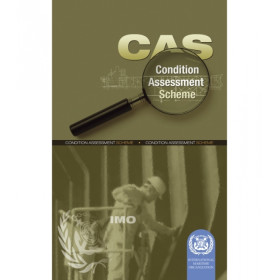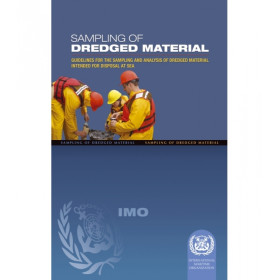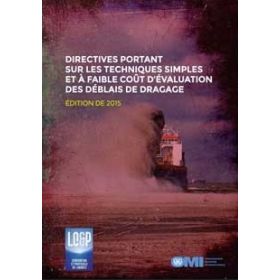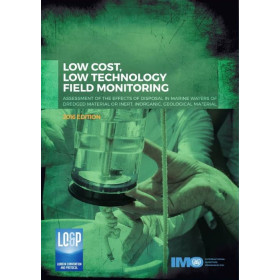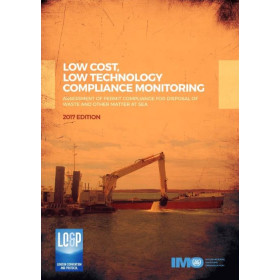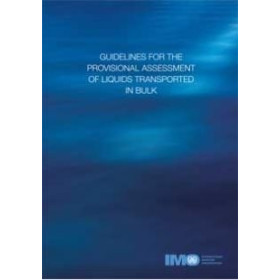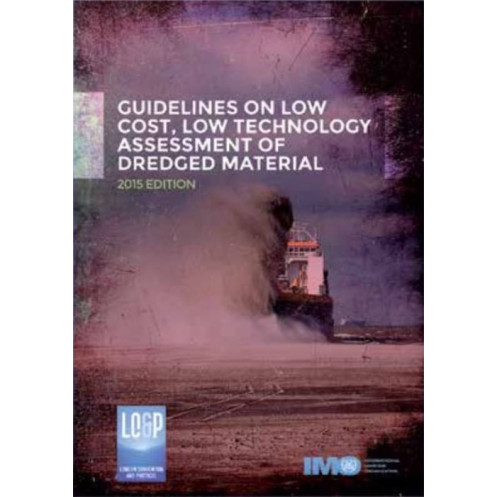




Practical 2015 guidelines for low-cost, low-tech dredged material assessments. Includes sampling, testing, and monitoring methods to ensure efficient and compliant disposal site selection.
Data sheet
Specific References
Dredging operations play a critical role in maintaining navigable waterways, supporting port infrastructure, and enabling coastal development. However, the assessment and management of dredged material require careful consideration to minimize environmental impact while ensuring compliance with international regulations. The *IMO Guidelines on Low Cost, Low Technology Assessment of Dredged Material 2015* provide a practical framework for professionals in the maritime industry to evaluate dredged materials efficiently and cost-effectively. Designed for engineers, environmental consultants, port authorities, and regulatory bodies, this publication offers actionable guidance tailored to real-world operational challenges.
This publication delivers a structured approach to assessing dredged material using low-cost, low-technology methods that align with the Waste Assessment Guidelines (WAG). It covers every stage of the process, from initial sampling to final disposal site selection, ensuring that assessments are both scientifically robust and economically viable. Key topics include simplified sampling techniques, affordable testing methods, and streamlined data collection procedures that reduce operational costs without compromising accuracy. By leveraging these guidelines, professionals can make informed decisions that balance environmental protection with financial and logistical constraints.
Beyond assessment, the guidelines provide valuable insights into low-cost monitoring strategies for disposal activities. This includes straightforward methods for tracking the environmental impact of dredged material placement and conducting post-disposal evaluations to refine future decision-making. The publication also emphasizes the importance of feedback loops, encouraging professionals to incorporate lessons learned from previous projects to improve efficiency and sustainability. Whether managing small-scale dredging projects or large port expansions, these guidelines equip users with the tools needed to optimize operations while adhering to international standards.
Tailored for the maritime industry, this publication is an indispensable resource for professionals seeking to implement cost-effective and environmentally responsible dredging practices. Its digital format ensures easy access and portability, allowing users to reference critical information on-site or in the office. By adopting the methodologies outlined in these guidelines, organizations can enhance their compliance with international regulations, reduce operational expenses, and contribute to sustainable maritime development.
Streamline Your Dredged Material Assessments with Proven Low-Cost Methods
The *IMO Guidelines on Low Cost, Low Technology Assessment of Dredged Material 2015* is a digital publication designed to simplify the evaluation of dredged materials for maritime professionals. This 89-page e-book provides a step-by-step framework for conducting assessments using affordable, accessible technologies, ensuring compliance with international Waste Assessment Guidelines (WAG) without the need for expensive equipment or complex procedures. Published in January 2015, this resource is ideal for engineers, environmental consultants, and port authorities who need practical, actionable solutions for managing dredging projects efficiently.
Affordable Sampling and Testing Techniques for Real-World Applications
One of the standout features of this publication is its focus on low-cost sampling and testing methods. It outlines simplified procedures for collecting representative samples, conducting basic laboratory tests, and gathering essential data—all while maintaining scientific rigor. These methods are particularly valuable for organizations operating with limited budgets or in regions where advanced testing facilities are unavailable. By following these guidelines, professionals can reduce assessment costs by up to 50% while still producing reliable results that meet regulatory requirements.
Optimize Disposal Site Selection and Environmental Monitoring
Selecting the right disposal site for dredged material is a critical decision that impacts both environmental sustainability and project costs. This publication provides clear criteria for evaluating potential disposal sites, ensuring that materials are placed in locations that minimize ecological harm. Additionally, it offers guidance on low-cost monitoring techniques to track the environmental effects of disposal activities over time. These strategies enable professionals to make data-driven decisions, improve project outcomes, and demonstrate compliance with international standards.
Enhance Decision-Making with Feedback and Continuous Improvement
The guidelines emphasize the importance of feedback loops and post-project evaluations to refine future dredging operations. By incorporating lessons learned from previous assessments, organizations can continuously improve their processes, reduce inefficiencies, and enhance sustainability. This iterative approach not only strengthens compliance but also fosters innovation in dredging practices, making it a valuable resource for long-term project planning.
This digital publication is available in English and spans 89 pages, offering a concise yet comprehensive guide to low-cost, low-technology assessment methods for dredged material. Published in January 2015, it is designed for immediate use in the field or office, with practical techniques that can be implemented without specialized equipment. The e-book format ensures easy access and portability, making it a versatile tool for maritime professionals worldwide.
With a long-standing reputation in the maritime industry, this publisher is recognized for developing authoritative guidelines and standards that support safe, efficient, and sustainable operations. Their publications are widely used by professionals in shipping, port management, and environmental regulation, providing practical solutions that align with international maritime conventions. This digital resource reflects their commitment to delivering accessible, high-quality tools for the global maritime community.
The guidelines detail low-cost, low-technology sampling methods for dredged material, including practical steps for collection, testing, and documentation to ensure compliance with waste assessment guidelines.
Yes, the document provides guidance on simple and cost-effective monitoring techniques for disposal activities, along with follow-up surveys to enhance decision-making processes.
No, this edition is only available in English.
The digital version contains 89 pages.
Yes, the guidelines are designed to be adaptable for various project scales, focusing on low-cost and low-technology solutions for assessing dredged material.
This edition was published in January 2015.
You might also like