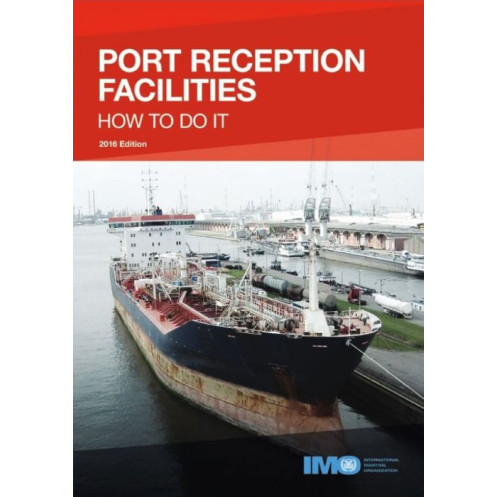




Expert guidance on seafood safety during and after oil spills. Designed for governments and maritime industries, it ensures compliance and effective risk management in digital format.
Data sheet
Specific References
When oil spills threaten marine ecosystems, the safety of seafood becomes a top priority for governments, port authorities, and the maritime industry. This authoritative digital publication delivers expert guidance on managing seafood safety risks during and after oil spill incidents, ensuring compliance with international maritime regulations while protecting public health and economic interests.
Developed through collaboration between the International Maritime Organization (IMO) and the Food and Agriculture Organization (FAO), this 213-page digital manual establishes a systematic approach to seafood safety management. It provides actionable protocols for assessing contamination risks, implementing monitoring programs, and establishing safe harvesting practices in affected areas. The guidance covers both immediate response measures and long-term recovery strategies for fisheries and aquaculture operations.
Designed specifically for professionals in the maritime sector, this digital resource offers practical tools for port authorities, environmental agencies, and industry operators. It includes step-by-step procedures for developing contingency plans, conducting risk assessments, and coordinating multi-agency responses. The publication addresses key challenges such as determining safe zones for fishing operations, establishing testing protocols, and communicating risks to consumers and trading partners.
Available as a secure digital e-book (compatible with the free IMO reader), this publication ensures instant access to critical information when time is of the essence. The digital format enables rapid deployment to response teams, remote consultation during field operations, and easy updates as new scientific data becomes available. With dimensions of 250mm x 210mm in printed form, the content is optimized for both desktop and mobile viewing, supporting decision-making in diverse operational environments.
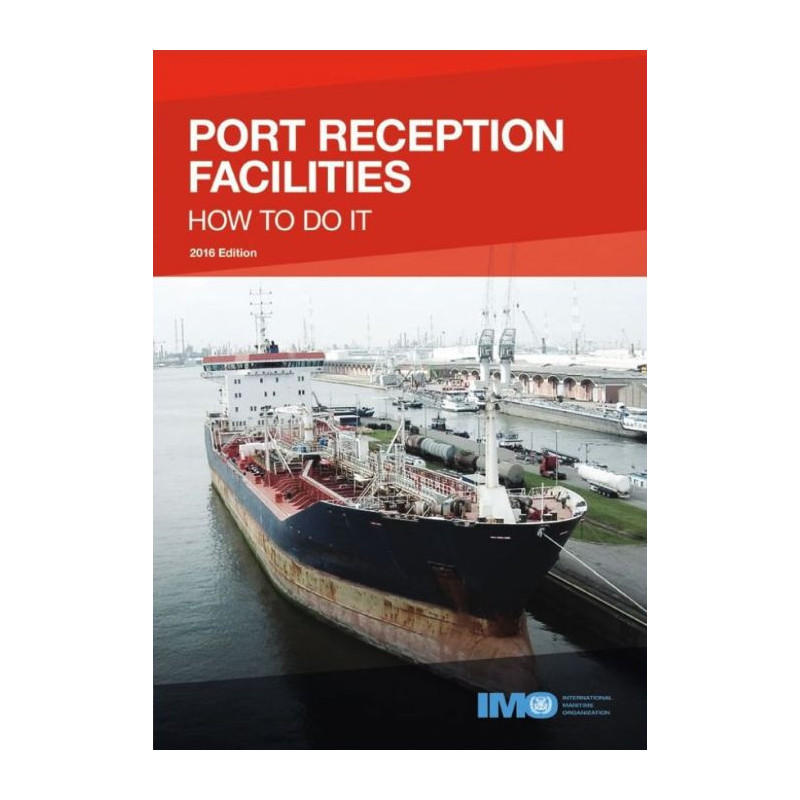
As part of the broader MARPOL compliance framework, this guidance document helps maritime authorities and industry stakeholders meet their obligations under international conventions. It provides specific recommendations for developing and operating port reception facilities, managing waste streams, and preventing secondary contamination of seafood products. The 2016 edition incorporates the latest scientific findings and best practices from recent oil spill incidents worldwide.
Expert Guidance for Protecting Seafood Safety in Oil Spill Scenarios
This essential digital publication provides maritime professionals with science-based protocols for managing seafood safety risks during and after oil spill incidents. Developed by leading international organizations, the 213-page manual delivers actionable strategies for assessing contamination risks, implementing monitoring programs, and establishing safe harvesting practices in affected marine areas.
Comprehensive Framework for Maritime Safety Compliance
The guidance establishes a systematic approach to seafood safety management that aligns with MARPOL conventions and international food safety standards. It covers both immediate response measures and long-term recovery strategies, offering practical tools for port authorities, environmental agencies, and industry operators to develop contingency plans and coordinate multi-agency responses during oil spill emergencies.
Digital Accessibility for Rapid Emergency Response
Available as a secure e-book compatible with the free IMO reader, this publication ensures instant access to critical information when time is critical. The digital format enables rapid deployment to response teams, supports remote consultation during field operations, and allows for easy updates as new scientific data becomes available, making it an indispensable resource for maritime safety professionals worldwide.
This 2016 digital publication contains 213 pages of expert guidance on seafood safety management during oil spill incidents. Available in secure e-book format (compatible with free IMO reader), the publication measures 250mm x 210mm in printed dimensions and weighs 0.69 kg. Published in December 2016, the English-language manual provides immediate digital access to critical maritime safety protocols.
With decades of experience in maritime safety and environmental protection, the organization behind this publication is recognized as the global authority on shipping regulations and marine environmental standards. Their technical publications provide essential guidance to governments, port authorities, and maritime industry professionals worldwide, supporting the implementation of international conventions and best practices in marine safety and pollution prevention.
It offers practical guidance on managing seafood safety during and after oil spills, including risk assessment, contamination monitoring, and recovery strategies for affected marine environments.
The e-book is in a locked format and requires the free IMO reader for access, ensuring compatibility with devices that support the reader.
The content is organized into actionable sections, covering protocols for authorities, port operators, and waste management teams to implement MARPOL conventions effectively.
Yes, the publication includes case studies and examples to illustrate best practices in seafood safety management following oil spill incidents.
The printed version measures 250 mm in height and 210 mm in width, with a paperback binding.
Absolutely, it serves as a comprehensive resource for training government agencies, port authorities, and maritime industry professionals on oil spill response and seafood safety.
You might also like