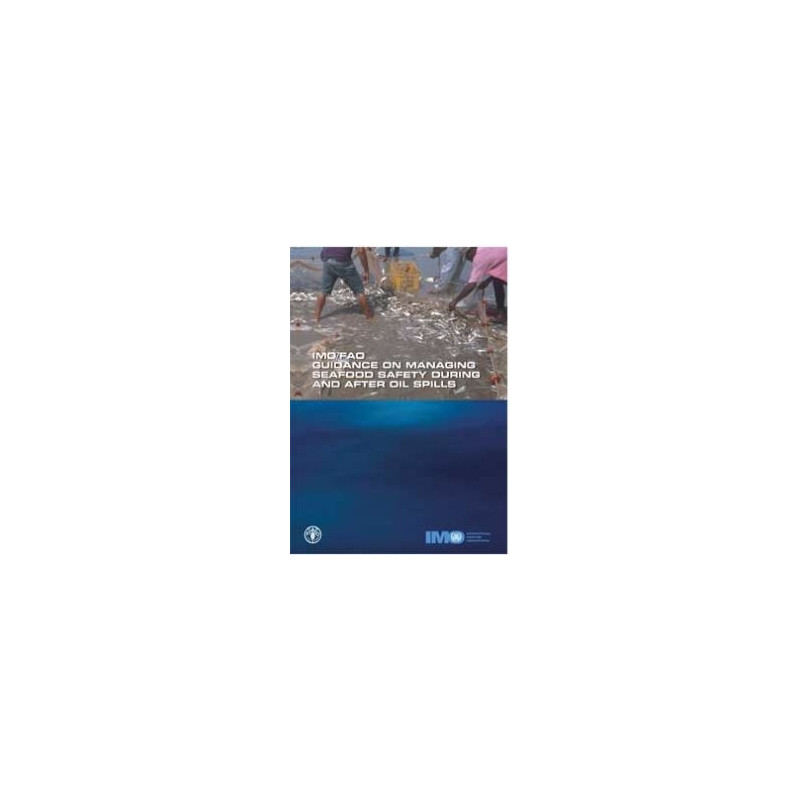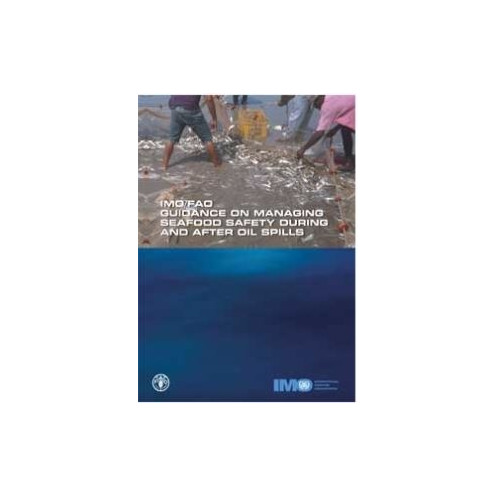


OMI - IMO590Ee - IMO/FAO Guidance on Managing Sea Food Safety During and after Oil Spills
search
  • googlemap
  • OMI - IMO590Ee - IMO/FAO Guidance on Managing Sea Food Safety During and after Oil Spills

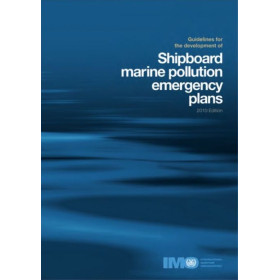
IMO - 590Ee - Guidelines for the Development of Shipboard Marine Pollution Emergency Plans

€29.00
OMI
Chart or book in digital version In English language
Book programmed to order
Estimated preparation time: 0 to 3 days

Essential guidelines for creating shipboard marine pollution emergency plans. Ensure compliance and preparedness with this expert resource for maritime safety and environmental protection.

IMO590Ee

Data sheet

Picto
Chart or book in digital version
In English language
Book in version
digital version

Specific References

UPC
400000010441
EAN13
4000000024637
New
Book programmed to order
Description détaillée

IMO Guidelines for the Development of Shipboard Marine Pollution Emergency Plans

Publication in English
Digital version e-book

Essential Resource for Maritime Pollution Preparedness

This comprehensive guide provides maritime professionals with the framework to develop effective Shipboard Marine Pollution Emergency Plans. Designed to meet international regulatory requirements, this publication ensures vessels are prepared to respond swiftly and efficiently to marine pollution incidents. Whether you're a ship operator, safety officer, or environmental compliance manager, these guidelines offer the structured approach needed to minimize environmental impact and maintain operational integrity during emergencies.

Developed by Leading Maritime Authorities

Created through collaboration between the International Maritime Organization (IMO) and the Food and Agriculture Organization (FAO), this document reflects the combined expertise of global maritime and environmental specialists. The guidelines incorporate best practices from real-world spill response scenarios, making them a trusted resource for both regulatory compliance and practical implementation. The digital format ensures instant access to critical information when it matters most.

Comprehensive Coverage for All Vessel Types

The guidelines address the unique challenges faced by different vessel categories, from oil tankers to cargo ships and fishing vessels. They provide clear protocols for:- Immediate response actions during pollution incidents- Coordination with coastal authorities and response teams- Documentation and reporting requirements- Environmental protection measures- Post-incident assessment and recovery procedures

Optimized for Digital Implementation

This e-book version offers enhanced accessibility features including:- Searchable text for quick reference- Bookmarking capabilities for frequently used sections- Portable access across multiple devices- Regular updates to maintain compliance with evolving regulationsThe 32-page format provides concise yet thorough coverage of all essential aspects of marine pollution emergency planning.

Critical Tool for Regulatory Compliance

These guidelines help maritime organizations meet the requirements of:- MARPOL Convention (International Convention for the Prevention of Pollution from Ships)- OPRC Convention (International Convention on Oil Pollution Preparedness, Response and Co-operation)- National and regional marine protection regulationsBy implementing these plans, vessels demonstrate their commitment to environmental stewardship while protecting their operational viability.

Practical Application for Maritime Professionals

The publication serves as both a training resource and operational manual, offering:- Step-by-step guidance for plan development- Template structures for emergency procedures- Risk assessment methodologies- Communication protocols- Training and drill recommendationsWhether developing new plans or updating existing ones, maritime professionals will find this guide an invaluable reference for creating robust, actionable emergency response strategies.

Your Essential Digital Guide to Marine Pollution Emergency Preparedness
In the high-stakes maritime industry, preparedness is the difference between controlled response and environmental catastrophe. The *IMO Guidelines for the Development of Shipboard Marine Pollution Emergency Plans* delivers the definitive framework for creating compliant, effective emergency response strategies. This digital publication, developed by the International Maritime Organization in collaboration with the Food and Agriculture Organization, provides the exact protocols needed to protect marine ecosystems while maintaining operational continuity during pollution incidents.

Engineered for Real-World Maritime Challenges
With just 32 concise pages, this guide distills decades of maritime pollution response expertise into actionable procedures. Published in January 2002 and updated through rigorous international review processes, the guidelines address the full spectrum of vessel types—from oil tankers to commercial fishing fleets. The digital format ensures instant access to critical information, whether you're dockside or at sea, with full compatibility with Adobe Reader for seamless integration into existing maritime documentation systems.

Regulatory Compliance Made Practical
More than just a theoretical document, these guidelines translate complex international conventions into clear, implementable steps. They help maritime organizations satisfy the requirements of MARPOL, OPRC, and other global standards while providing the flexibility to adapt to regional regulations. The publication includes ready-to-use templates for emergency procedures, risk assessment matrices, and communication protocols—all designed to streamline plan development and reduce compliance-related administrative burdens.

Built for the Digital Maritime Environment
The e-book format offers maritime professionals the modern tools they need for effective emergency planning. Searchable text allows for rapid information retrieval during time-sensitive situations, while bookmarking features enable quick access to frequently referenced sections. The portable nature of the digital version means your emergency plans are always available, whether on bridge computers, mobile devices, or shore-based operations centers. This accessibility ensures consistent application of response protocols across your entire fleet.

This digital publication delivers authoritative guidance in a compact, efficient format. The 32-page e-book contains comprehensive coverage of marine pollution emergency planning, presented in clear English language text. Published in January 2002 as part of the 2002/2003 edition, this document maintains full compatibility with Adobe Reader for universal accessibility across maritime computing platforms. The digital format ensures instant access to critical information while eliminating physical storage requirements.

For over seven decades, this specialized maritime organization has served as the global standard-bearer for safe, secure, and environmentally responsible shipping. Through international conventions and technical publications, they establish the frameworks that govern maritime operations worldwide. Their collaborative approach brings together governments, industry experts, and environmental organizations to develop practical solutions for the complex challenges of modern shipping. This publication represents their commitment to providing actionable guidance that bridges regulatory requirements with real-world maritime operations.

  • Developed through international collaboration between leading maritime and environmental authorities, these guidelines offer maritime professionals a comprehensive yet practical approach to marine pollution emergency planning.
  • The digital format provides instant access to critical information, with searchable text and bookmarking capabilities that enhance usability during time-sensitive situations.
  • By distilling complex regulatory requirements into clear, actionable procedures, this publication reduces compliance burdens while improving response effectiveness.
  • The compact 32-page structure delivers focused guidance without unnecessary complexity, making it equally valuable for plan development, crew training, and operational reference.
  • Regular updates ensure ongoing alignment with evolving international standards, protecting both marine environments and maritime operations.
What software is required to read the digital version of this document?

The digital version is compatible with Adobe Reader, which is available for free download.

Are there any specific industries or professionals this document targets?

It is designed for oil spill responders, public health managers, fisheries sector stakeholders, and consumers concerned about seafood safety and quality.

Who developed the guidelines in this document?

The guidelines were developed by the OPRC Working Group and prepared by Dr. Tosh Moller of the International Tanker Owners Pollution Federation (ITOPF), then approved for joint IMO/FAO publication.

What is the publication date of this edition?

This edition was published in January 2002.

How many pages does this document contain?

The document contains 32 pages.

Is this document available in languages other than English?

No, this edition is only available in English.

Loading...