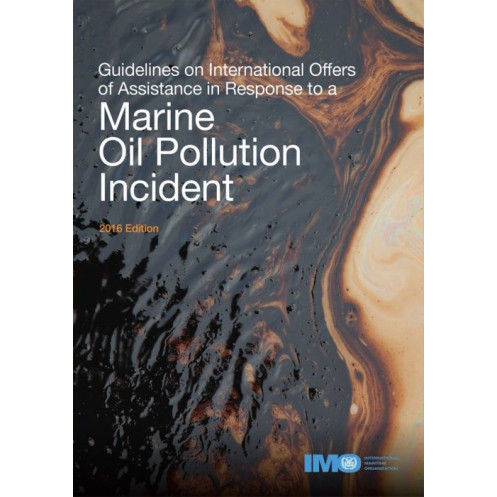




Master oil spill prevention with this comprehensive manual, featuring expert guidelines, response strategies, and key resources for marine and coastal environments.
Data sheet
Specific References
Your Go-To Resource for Preventing Marine Oil Pollution
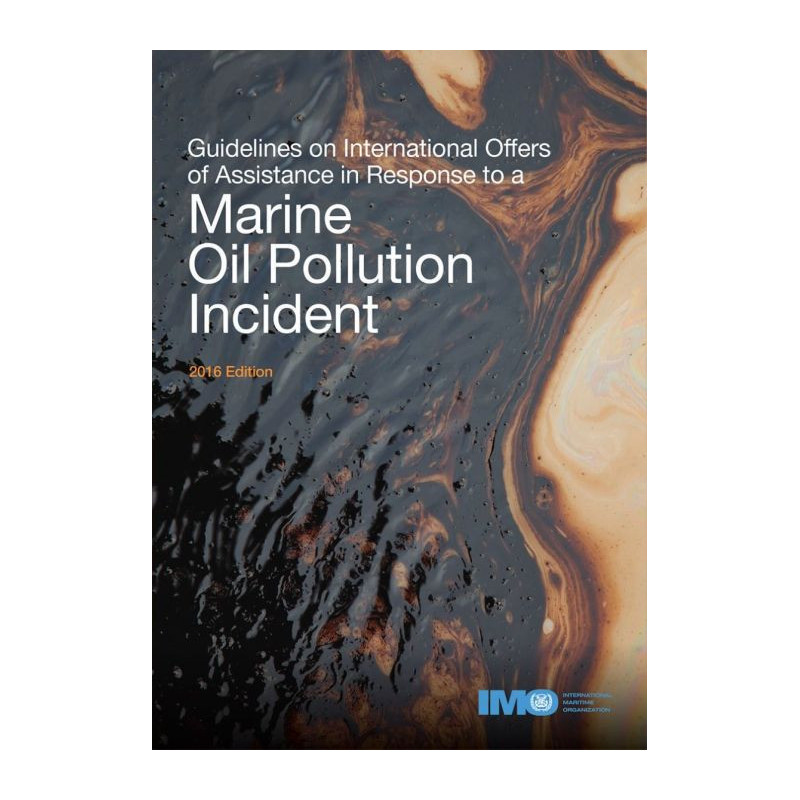
In the high-stakes world of maritime operations, preventing oil pollution is not just a regulatory requirement—it’s a critical responsibility. The Manual on Oil Pollution Section 1 – Prevention is the definitive guide for professionals tasked with safeguarding our oceans from the devastating impacts of oil spills. This digital publication provides a robust framework for managing international assistance during oil pollution incidents, ensuring that response efforts are coordinated, efficient, and effective. Whether you're a maritime authority, environmental agency, or shipping company, this manual equips you with the tools to act swiftly and decisively in the face of an oil spill emergency.
Designed for Real-World Application
This manual is more than just a theoretical resource—it’s a practical toolkit for real-world scenarios. Developed under the auspices of the International Maritime Organization (IMO), it aligns with the International Convention on Oil Pollution Preparedness, Response and Co-operation (OPRC 1990), making it a globally recognized standard. The 2016 edition includes updated guidelines, model forms for requesting and offering assistance, and a comprehensive glossary of terms related to oil spill response equipment and personnel. With 78 pages of expertly curated content, it covers everything from initial response strategies to long-term recovery efforts, ensuring that you’re prepared for any situation.
Digital Convenience for Modern Professionals
Gone are the days of flipping through physical manuals in the midst of an emergency. This digital version of the Manual on Oil Pollution Section 1 – Prevention is designed for instant access, allowing you to retrieve critical information with just a few clicks. Compatible with the free IMO reader, it ensures that you can view, search, and reference the manual from any device, whether you're in the office or on the front lines of an oil spill response. The digital format also means no more worrying about lost or damaged copies—your resource is always secure and up-to-date.
Built for Collaboration and Compliance
Oil pollution incidents often require international cooperation, and this manual is designed to facilitate seamless collaboration between nations, organizations, and response teams. It includes standardized forms for requesting and offering assistance, ensuring that communication is clear and consistent during high-pressure situations. Additionally, the manual’s extensive list of acronyms and glossary of terms eliminates confusion, allowing teams from different backgrounds to work together effectively. By adhering to the guidelines in this manual, you’re not just complying with international regulations—you’re contributing to a global effort to protect our marine environments.
This digital manual is presented in a secure, locked format, ensuring that the content remains protected while providing easy access via the free IMO reader. Published in January 2016 and released in August of the same year, it spans 78 pages of expert guidance, with dimensions of 300 mm in height and 210 mm in width for optimal readability. The publication is authored by the International Maritime Organization and is available for instant download, making it a convenient and reliable resource for professionals in the field.
With a legacy of setting global standards for maritime safety and environmental protection, the publisher behind this manual is a leading authority in the shipping industry. Renowned for developing comprehensive guidelines and conventions, it plays a pivotal role in shaping international policies that safeguard our oceans and coastal communities. This publication reflects its commitment to providing practical, actionable resources for professionals dedicated to preventing and managing marine pollution.
It provides guidelines for managing international assistance during marine oil pollution incidents, including major, complex, or significant spills in marine, coastal, or inland areas.
Yes, while developed for marine pollution, the guidelines can also be applied to significant oil spills in inland areas.
It includes sample forms, an extended glossary of equipment and personnel terminology, and a list of acronyms related to oil pollution response.
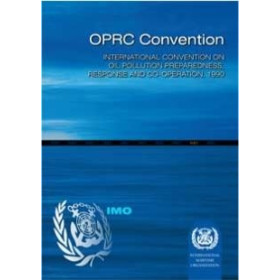
It refers to the International Convention on Oil Pollution Preparedness, Response and Co-operation, which provides a framework for international cooperation in oil spill response.
The digital version is locked and requires the free IMO reader for access, available as a downloadable file.
Yes, it is designed for use by any country or organization involved in managing requests for oil spill response resources.
You might also like