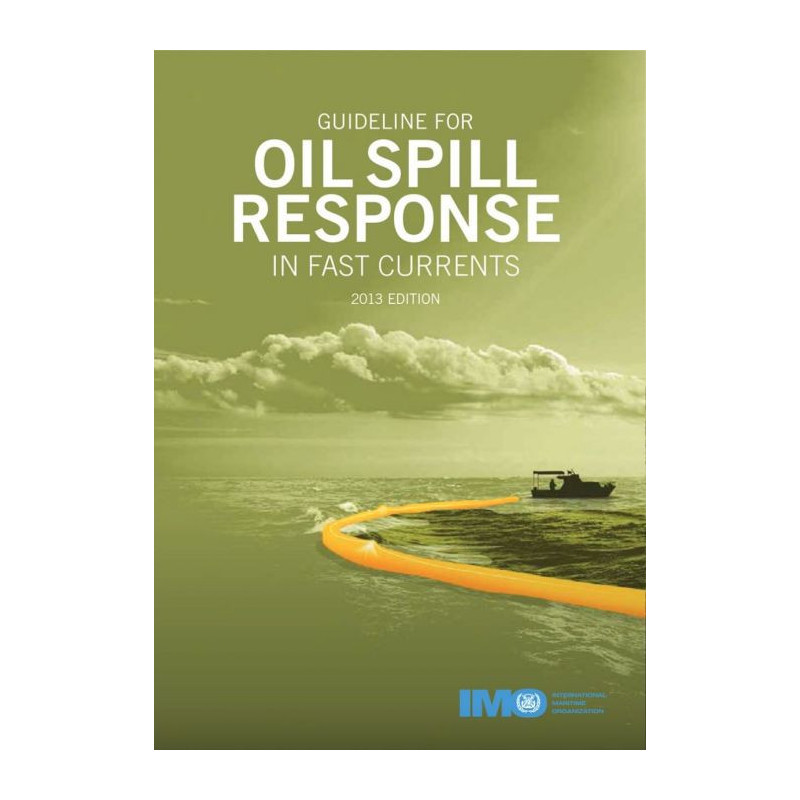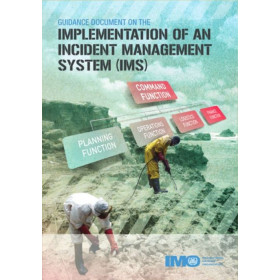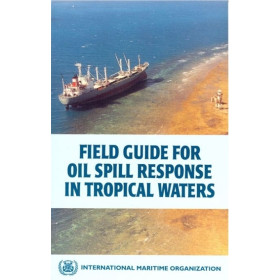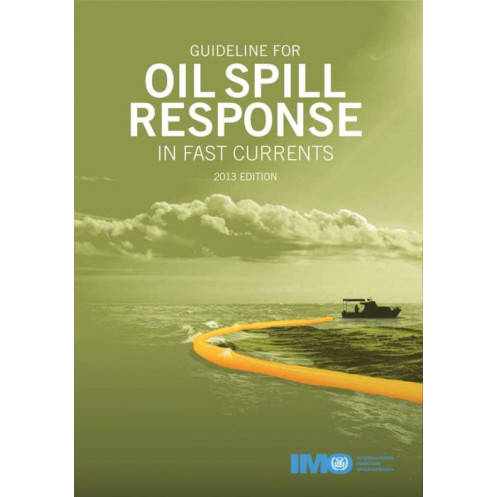





This guide on Incident Management Systems (IMS) helps professionals optimize oil spill response. Includes strategies, safety protocols, and equipment for high-current environments.
Data sheet
Specific References
In the high-stakes world of maritime operations, effective incident management can mean the difference between controlled resolution and costly chaos. This official guidance document delivers a structured, actionable framework for implementing an Incident Management System (IMS) tailored to the unique challenges of the maritime industry. Designed for professionals who demand precision and reliability, it bridges the gap between theoretical knowledge and real-world application, ensuring your team is prepared to act decisively when it matters most.
More than just a manual, this document serves as a comprehensive resource for developing and refining incident response strategies. It provides clear, step-by-step guidance on establishing an IMS that aligns with international standards, while addressing the specific needs of maritime environments—whether dealing with oil spills, operational disruptions, or emergency situations. From initial assessment to execution, the content is structured to support decision-makers, responders, and operational teams in creating a cohesive, efficient response plan.
Maritime incidents often unfold in dynamic, high-pressure environments where standard protocols may fall short. This document zeroes in on the nuances of managing incidents in challenging conditions, such as strong currents, adverse weather, or remote locations. It offers insights into adapting strategies to these variables, ensuring that containment, cleanup, and recovery efforts are both effective and safe. Whether you're dealing with equipment selection, logistical planning, or risk assessment, the guidance provided here is rooted in real-world applicability.
Safety is non-negotiable in maritime operations, and this document places it at the forefront of incident management. It outlines best practices for safeguarding personnel, vessels, and the environment while maintaining operational efficiency. By integrating safety protocols into every phase of the IMS, it helps organizations minimize risks without compromising response effectiveness. The document also includes practical tools, such as calculation methods and equipment selection criteria, to support data-driven decision-making.
As an official publication from a leading international maritime organization, this document carries the weight of global expertise and industry consensus. It is an indispensable resource for maritime professionals—including ship operators, port authorities, response teams, and regulatory bodies—who require a reliable, standardized approach to incident management. Whether you're refining existing protocols or building a new system from the ground up, this guidance ensures compliance with international best practices while addressing the unique demands of the maritime sector.
Available in a secure digital format, this document offers unparalleled accessibility for today’s fast-paced maritime professionals. Compatible with the free IMO reader, it allows you to access critical information anytime, anywhere—whether onshore or at sea. The digital version ensures that your team always has the latest guidance at their fingertips, enabling faster response times and more informed decision-making in critical situations.
Transform Your Incident Response with a Proven Framework
In the maritime industry, where every second counts, having a robust Incident Management System (IMS) isn’t just an advantage—it’s a necessity. This official guidance document provides a meticulously crafted roadmap for implementing an IMS that meets the rigorous demands of maritime operations. Designed for professionals who need actionable, real-world solutions, it combines authoritative insights with practical tools to ensure your team is equipped to handle incidents with precision and confidence.
From Theory to Action: A Step-by-Step Guide
This document goes beyond generic advice, offering a structured approach to developing and deploying an IMS tailored to the maritime sector. It covers every phase of incident management, from initial assessment and strategy development to execution and post-incident review. Whether you're dealing with oil spills, operational disruptions, or emergency situations, the guidance provided here ensures that your response is both effective and aligned with international standards. The content is enriched with real-world scenarios, helping you anticipate challenges and adapt strategies to dynamic conditions.
Addressing the Unique Challenges of Maritime Environments
Maritime incidents rarely follow a predictable script. Strong currents, remote locations, and adverse weather can turn even routine operations into high-stakes situations. This document tackles these complexities head-on, offering specialized strategies for managing incidents in challenging conditions. It provides detailed guidance on equipment selection, logistical planning, and safety protocols, ensuring that your team can respond effectively while minimizing risks to personnel, vessels, and the environment. With a focus on practicality, it includes calculation methods and decision-making tools to support data-driven responses.
Safety and Efficiency at the Core of Every Response
Safety is the cornerstone of effective incident management, and this document integrates it into every aspect of the IMS. It outlines best practices for protecting your team and assets while maintaining operational efficiency, ensuring that response efforts are both swift and secure. By emphasizing proactive risk assessment and mitigation, it helps organizations reduce the likelihood of escalation and costly downtime. The guidance is designed to be adaptable, allowing you to tailor protocols to your specific operational needs without compromising on safety or compliance.
Digital Access for Today’s Maritime Professionals
In a fast-moving industry, accessibility is key. This document is available in a secure digital format, compatible with the free IMO reader, ensuring that critical guidance is always within reach—whether you're onshore or at sea. The digital version eliminates the need for physical storage, allowing your team to access up-to-date information instantly. This not only streamlines response efforts but also ensures that everyone is working from the same authoritative source, reducing the risk of miscommunication or outdated protocols.
This digital guidance document is presented in a secure, locked format, ensuring the integrity and accessibility of its content. Compatible with the free IMO reader, it offers seamless access across devices, making it ideal for professionals who need reliable information on the go. With 50 pages of expertly curated content, the document is structured for easy navigation, allowing users to quickly locate critical information. Published in November 2013 and available in English, it remains a relevant and authoritative resource for maritime incident management. The digital release date is set for March 18, 2026, ensuring long-term availability for industry professionals.
With a legacy of shaping global maritime standards, this organization is a trusted authority in the industry. Its publications are developed by leading experts and are widely recognized for their technical rigor and practical applicability. By providing actionable guidance and fostering best practices, it plays a pivotal role in enhancing safety, efficiency, and compliance across the maritime sector. Professionals worldwide rely on its resources to navigate the complexities of modern maritime operations.
This document is designed for oil spill response personnel who are already familiar with basic equipment like booms and skimmers, and need advanced strategies for high-current environments.
Yes, the digital version is in a locked format and requires the free IMO reader to access the content.
Yes, it includes safety considerations tailored for response operations in high-current environments.
The physical copy measures 210 mm in height and 150 mm in width.
The document contains 50 pages of detailed guidance and practical information.
The digital version will be available starting March 18, 2026.
You might also like