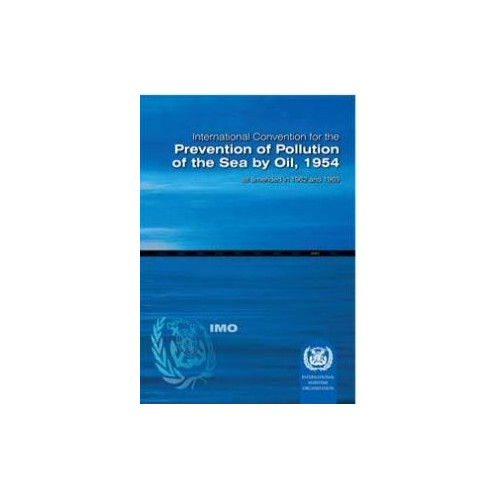





The 1954 OILPOL Convention, the first treaty to combat marine oil pollution, is available in this digital edition (PDF). Includes 1962 and 1969 amendments in English for compliance and reference.
Data sheet
Specific References
The International Convention for the Prevention of Pollution of the Sea by Oil 1954 (OILPOL) marks a historic milestone in maritime environmental regulation. As the first multilateral agreement dedicated to safeguarding marine ecosystems, this convention set the precedent for global efforts to combat oil pollution from ships. Designed for maritime professionals, this digital edition provides direct access to the original 1954 text, along with critical amendments adopted in 1962 and 1969. The document remains a cornerstone reference for understanding the evolution of maritime pollution control standards.
This digital publication delivers the complete OILPOL convention in a secure, portable format optimized for maritime professionals. The PDF is compatible with standard readers like Adobe Acrobat, ensuring seamless access across devices—whether on board vessels, in port offices, or during training sessions. The 1981 edition consolidates all amendments, providing a single, authoritative source for compliance verification, legal reference, and environmental policy development. Its digital nature eliminates physical storage constraints while maintaining the integrity of the original legal text.
Tailored for shipowners, maritime lawyers, environmental officers, and regulatory authorities, this publication serves as an indispensable tool for navigating the legal framework of marine pollution prevention. The OILPOL convention established early discharge standards, prohibited zones, and reporting requirements that shaped subsequent international agreements, including MARPOL. By providing the foundational text in an accessible digital format, this resource bridges historical context with modern compliance needs, ensuring professionals can reference the original provisions that continue to influence maritime environmental law.
The digital format of this publication aligns with the operational demands of the maritime industry. Compatible with standard PDF readers, it allows for quick searches, annotations, and cross-referencing—features that enhance usability during audits, inspections, or legal proceedings. The secure, locked PDF ensures the document’s authenticity and prevents unauthorized modifications, making it a reliable reference for compliance documentation. Whether used for training, policy development, or operational decision-making, this e-book delivers the precision and accessibility required by maritime professionals.
Unlock the Origins of Global Maritime Pollution Control
The International Convention for the Prevention of Pollution of the Sea by Oil 1954 (OILPOL) represents the first international effort to address oil pollution from ships, laying the groundwork for modern environmental regulations in the maritime sector. This digital edition provides maritime professionals with direct access to the original 1954 convention, along with the pivotal amendments adopted in 1962 and 1969. As a foundational legal instrument, OILPOL established early standards for oil discharge, prohibited zones, and reporting requirements—provisions that continue to influence contemporary agreements like MARPOL. This publication is an essential resource for understanding the evolution of maritime environmental law and ensuring compliance with its historical and current frameworks.
Optimized for Maritime Professionals
Designed for shipowners, maritime lawyers, environmental officers, and regulatory authorities, this digital publication delivers the complete OILPOL text in a secure, portable format. The 1981 edition consolidates all amendments, providing a single, authoritative source for legal reference, compliance verification, and policy development. The PDF format ensures compatibility with standard readers like Adobe Acrobat, enabling seamless access across devices—whether on board vessels, in port offices, or during training sessions. Its digital nature eliminates physical storage constraints while maintaining the integrity of the original legal text, making it a practical and reliable tool for modern maritime operations.
Enhancing Compliance and Operational Efficiency
This e-book is engineered to integrate effortlessly into maritime workflows. The secure, locked PDF format prevents unauthorized modifications, ensuring the document’s authenticity for audits, inspections, or legal proceedings. Features like quick searches, annotations, and cross-referencing enhance usability, allowing professionals to efficiently navigate the text during compliance checks or policy reviews. By providing the foundational provisions of OILPOL in an accessible digital format, this publication bridges historical context with contemporary needs, empowering maritime stakeholders to uphold environmental standards with precision and confidence.
This digital publication of the International Convention for the Prevention of Pollution of the Sea by Oil 1954 (OILPOL) is available as a secure PDF, compatible with standard readers like Adobe Acrobat. The 1981 edition includes the original 1954 text along with amendments from 1962 and 1969, providing a consolidated reference for maritime professionals. The document is in English and is optimized for digital use, ensuring accessibility and reliability for compliance and legal purposes.
With a legacy of shaping global maritime standards, this organization has been at the forefront of developing international regulations to enhance safety, security, and environmental protection in the shipping industry. Its publications serve as authoritative references for maritime professionals worldwide, ensuring compliance with evolving legal frameworks and operational best practices.
The publication is available in a digital PDF format, which is locked and requires the free IMO reader for access.
The e-book is compatible with Adobe Reader and the free IMO reader designed for secured PDFs.
Yes, this edition includes amendments made in 1962 and 1969 to the original 1954 convention.
No, this edition is only available in English.
The IMPA code for this publication is 371616.
The PDF is locked, so printing or copying content may be restricted depending on the security settings.
You might also like