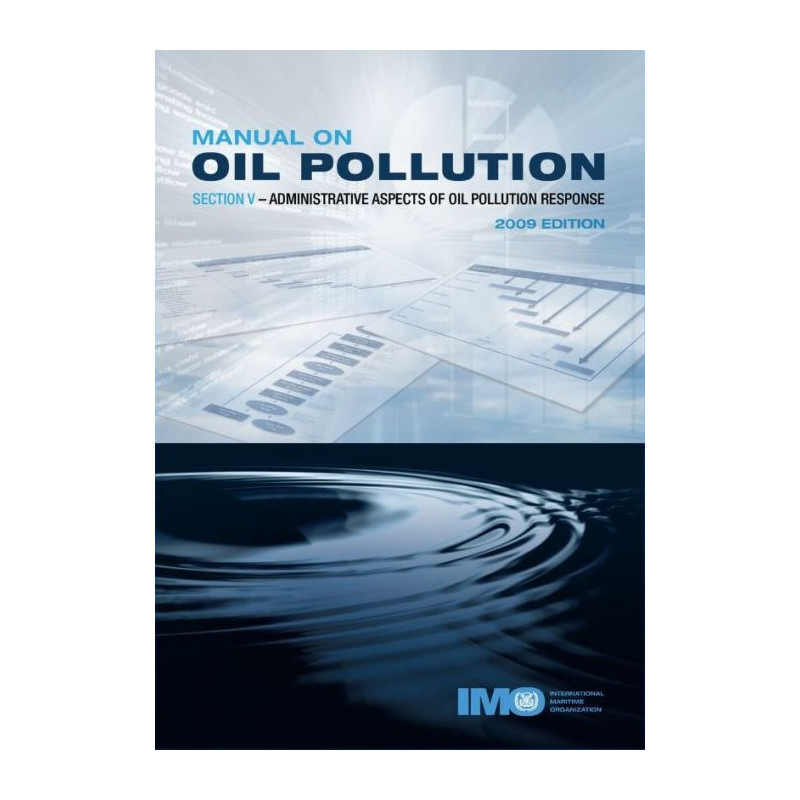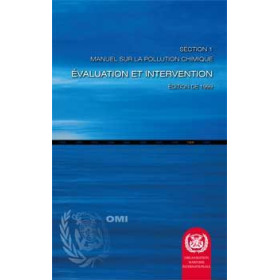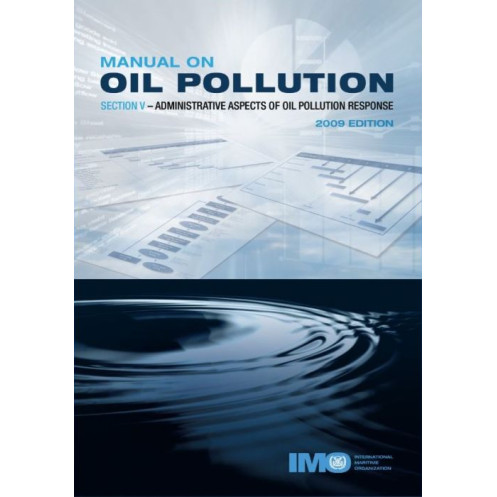



OMI - IMO572Ee - Manual on Oil Pollution Section 5 - Administrative Aspects of Oil Pollution Response
search
  • googlemap
  • OMI - IMO572Ee - Manual on Oil Pollution Section 5 - Administrative Aspects of Oil Pollution Response

IMO - 572Ee - Manual on Oil Pollution Section 4 - Combating Oil Spills

€29.00
OMI
Chart or book in digital version In English language
Book programmed to order
Estimated preparation time: 0 to 3 days

Essential guide for combating oil spills, covering administrative responses, roles, and legal frameworks. Updated 2009 edition in digital format for on-site commanders and agencies.

IMO572Ee

Data sheet

Picto
Chart or book in digital version
In English language
Book in version
digital version

Specific References

UPC
400000010137
EAN13
4000000024323
New
Book programmed to order
Description détaillée

IMO Manual on Oil Pollution Section 4 – Combating Oil Spills

Publication in English
Digital edition

Essential Resource for Marine Pollution Response

This comprehensive manual is the definitive guide for professionals tasked with managing oil spill emergencies at sea. Developed by the Marine Environment Protection Committee (MEPC) during its 33rd session, this publication provides a structured approach to the administrative and operational aspects of oil pollution response. It serves as a critical tool for on-scene commanders, lead agencies, and stakeholders involved in coordinating and executing effective countermeasures against marine oil spills.

Updated Framework for Modern Challenges

First published in 1998 and revised in 2009, this edition incorporates the latest developments in oil spill response strategies, legal frameworks, and best practices. It reflects the evolving nature of maritime environmental protection, ensuring that professionals have access to current and relevant information. The manual addresses the roles and responsibilities of entities involved in spill response, offering clarity on coordination, decision-making, and resource allocation during high-pressure situations.

Legal and Operational Insights

While the manual does not provide an authoritative interpretation of international conventions, it delivers a high-level overview of the legal regimes governing liability and compensation for oil pollution damage. It highlights the key interests at stake and directs readers to more detailed sources for in-depth legal analysis. This makes it an invaluable reference for understanding the broader context of oil spill response, including the financial and regulatory implications of such incidents.
Designed for Maritime Professionals

Tailored for those on the front lines of marine pollution control, this manual is an indispensable resource for ship operators, port authorities, environmental agencies, and emergency response teams. It bridges the gap between theoretical knowledge and practical application, offering actionable guidance for mitigating the environmental, economic, and reputational risks associated with oil spills. Whether you are preparing for potential incidents or responding to an active spill, this publication equips you with the knowledge needed to act swiftly and effectively.

Digital Accessibility for Modern Workflows

Available in a secure digital format compatible with the free IMO reader, this manual ensures instant access to critical information anytime, anywhere. The digital edition is designed for ease of use, allowing professionals to quickly navigate to relevant sections during emergencies. With 100 pages of expertly curated content, it balances depth and accessibility, making it a must-have for anyone involved in maritime environmental protection.

Your Go-To Guide for Effective Oil Spill Response
When every second counts in an oil spill emergency, having the right knowledge at your fingertips can mean the difference between containment and catastrophe. The *Manual on Oil Pollution Section 4 – Combating Oil Spills* is the authoritative resource for maritime professionals, offering a structured and practical approach to managing oil pollution incidents. Developed by the Marine Environment Protection Committee (MEPC), this manual is designed to support on-scene commanders, lead agencies, and response teams in making informed decisions under pressure.

Comprehensive Coverage for Real-World Scenarios
This 2009 edition builds on the foundation of the original 1998 publication, incorporating the latest advancements in oil spill response strategies and legal frameworks. With 100 pages of expertly curated content, it provides a detailed overview of the administrative and operational aspects of spill response, including the roles and responsibilities of key stakeholders. Whether you're dealing with a minor leak or a large-scale environmental crisis, this manual ensures you have the tools to coordinate an effective response.

Legal and Financial Considerations Made Clear
Oil spills don’t just pose environmental risks—they also come with complex legal and financial implications. This manual offers a high-level examination of international legal regimes related to liability and compensation for oil pollution damage. While it doesn’t provide a definitive interpretation of conventions, it directs readers to authoritative sources for further study, helping professionals navigate the regulatory landscape with confidence.

Optimized for Digital Use
In today’s fast-paced maritime industry, accessibility is key. This manual is available in a secure digital format, compatible with the free IMO reader, ensuring you can access critical information instantly—whether you're onshore or at sea. The digital edition is designed for quick navigation, allowing you to find the guidance you need without delay. Stay prepared, stay informed, and respond effectively with this essential resource.

This manual is a digital publication in English, released in January 2009 as part of the *Manual on Oil Pollution* series. It spans 100 pages and is designed for use with the free IMO reader, ensuring secure and convenient access. The 2009 edition reflects the latest updates in oil spill response protocols and legal considerations, making it a reliable reference for maritime professionals.

With a long-standing commitment to maritime safety and environmental protection, this organization is a leading authority in developing international standards and guidelines for the shipping industry. Its publications are trusted by professionals worldwide for their accuracy, relevance, and practical application in real-world scenarios. Focused on fostering best practices, this entity plays a pivotal role in shaping the future of maritime operations and environmental stewardship.

  • Equip yourself with the knowledge to act decisively during oil spill emergencies.
  • This manual provides a clear framework for coordinating response efforts, ensuring compliance with international regulations, and minimizing environmental impact.
  • Its digital format offers unmatched accessibility, allowing you to reference critical information anytime, anywhere.
  • Stay ahead of the curve with a resource that combines technical expertise, legal insights, and practical guidance—all in one place.
What is the primary focus of this manual?

The manual addresses administrative aspects of oil pollution emergency responses, detailing the roles and functions of entities involved in such incidents and their aftermath.

Who is the intended audience for this publication?

It is designed for on-scene commanders, lead agencies, and other stakeholders involved in managing oil pollution response efforts.

Does this manual provide legal interpretations of international conventions?

No, it offers an overview of international legal regimes but refers to more comprehensive sources for authoritative commentary or interpretations.

Is this a physical book or a digital version?

This is a digital version, locked and readable using the free IMO reader.

How many pages does the manual contain?

The manual contains 100 pages.

What updates does this edition include compared to the 1998 version?

It incorporates changes and new information developed since the first edition in 1998, reflecting advancements in oil spill response protocols.

Loading...