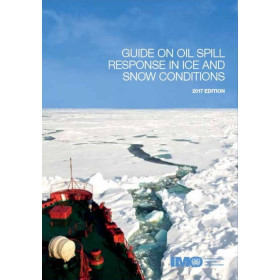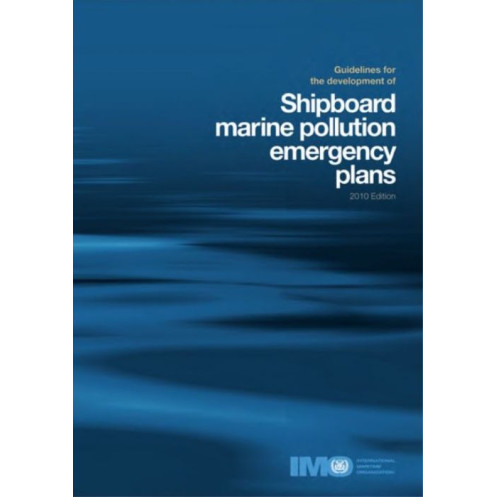





Navigate oil spill challenges in icy conditions with this expert guide. Covers planning, oil behavior, and response strategies to ensure safe, effective incident management in extreme environments.
Data sheet
Specific References
Navigating the complexities of oil spill response in icy and snowy environments demands specialized knowledge and strategic planning. This guide delivers an in-depth exploration of the critical considerations for managing marine oil spills in polar and subpolar regions, where ice and snow introduce unique challenges. Designed for incident managers, decision-makers, and maritime professionals, it provides a structured approach to preparation, response, and mitigation in some of the most demanding operational settings.
Effective oil spill response begins long before an incident occurs. This publication emphasizes the importance of proactive planning, offering insights into risk assessment, resource allocation, and logistical coordination tailored to icy and snowy conditions. It outlines best practices for developing contingency plans that account for the dynamic nature of ice-covered waters, ensuring readiness for rapid and coordinated action when every second counts.
Oil spills in frozen environments behave differently than in open water, with ice and snow altering the spread, weathering, and persistence of hydrocarbons. This guide examines the physical and chemical interactions between oil and ice, including encapsulation, adhesion, and long-term entrapment. By detailing how oil evolves under these conditions, it equips responders with the knowledge to predict movement, assess environmental impact, and select the most effective containment and recovery strategies.
From mechanical recovery to in-situ burning and chemical dispersants, this guide evaluates the full spectrum of response options available in ice-affected waters. It weighs the advantages, limitations, and operational considerations of each method, providing decision-makers with the tools to adapt their approach based on real-time conditions. Case studies and lessons learned from past incidents further enhance its practical value, offering actionable insights for optimizing response efforts in remote and harsh environments.
At the heart of this guide is a commitment to safety and efficacy. It addresses the logistical, environmental, and human factors that influence response operations, from crew training to equipment deployment in extreme cold. By fostering a deeper understanding of the risks and opportunities unique to ice and snow conditions, it empowers professionals to implement responses that minimize environmental harm while maximizing operational success.
Whether you're a spill response coordinator, environmental specialist, or maritime operator, this guide is an indispensable resource for navigating the complexities of oil spill response in icy waters. Its digital format ensures accessibility and ease of use, allowing professionals to reference critical information on demand, whether in the field or during planning sessions. Stay ahead of the curve with a publication that bridges the gap between theory and practice in one of the most challenging domains of marine environmental protection.
Mastering Oil Spill Response in Ice and Snow: A Digital Guide for Maritime Professionals
When oil spills occur in icy or snowy conditions, the stakes are higher, and the response playbook must adapt. This digital guide is the definitive resource for professionals tasked with managing marine oil spills in polar and subpolar environments, where ice and snow transform standard response protocols into complex, high-stakes operations. Developed by a leading international maritime organization, it consolidates decades of research, field experience, and regulatory expertise into a single, accessible publication. With 233 pages of targeted insights, this 2017 edition is designed to equip incident managers, environmental specialists, and maritime operators with the knowledge and strategies needed to navigate the unique challenges of cold-weather spill response.
From Planning to Execution: A Holistic Approach to Cold-Weather Spill Response
This guide goes beyond theoretical discussions, offering a practical framework for every phase of oil spill response in ice and snow. It begins with a deep dive into planning and preparedness, addressing the critical questions that shape effective contingency plans: How does ice affect oil behavior? What resources are required for operations in remote, frozen regions? How can teams coordinate across vast, inhospitable landscapes? The publication provides clear, actionable answers, helping organizations build resilience before an incident occurs. It also explores the logistical hurdles of deploying response teams and equipment in extreme conditions, ensuring that professionals are prepared to act swiftly and decisively when time is of the essence.
Science Meets Strategy: Understanding Oil Dynamics in Frozen Environments
Oil spills in ice and snow present a moving target, with hydrocarbons interacting with frozen surfaces in ways that defy conventional response tactics. This guide demystifies the science behind oil behavior in these conditions, explaining how ice encapsulation, snow absorption, and temperature fluctuations influence the spread, weathering, and recovery of spilled oil. By breaking down these complex interactions, it enables responders to anticipate challenges and tailor their strategies accordingly. Whether addressing the persistence of oil trapped in ice or the risks of re-release during thaw cycles, the guide provides the technical foundation needed to make informed decisions in real time.
Evaluating Response Options: Tools and Techniques for Ice-Affected Waters
No two oil spills are alike, and response strategies must be as dynamic as the environments in which they occur. This publication evaluates the full range of response options available in icy and snowy conditions, from mechanical recovery and in-situ burning to the use of chemical dispersants. It weighs the pros and cons of each method, considering factors such as environmental impact, operational feasibility, and regulatory compliance. With detailed guidance on equipment selection, deployment techniques, and safety protocols, the guide ensures that responders can adapt their approach to the unique demands of each incident, maximizing effectiveness while minimizing risks to personnel and ecosystems.
Digital Accessibility for On-Demand Expertise
In fast-paced response scenarios, access to reliable information can make the difference between success and failure. This digital guide is optimized for use in the field, offering instant access to critical data, best practices, and decision-making tools. Compatible with the free official reader for locked formats, it ensures that professionals can reference key insights anytime, anywhere—whether coordinating a response from a command center or assessing conditions on the ground. Its user-friendly format and comprehensive content make it an invaluable asset for training, planning, and real-time decision support.
This digital guide is meticulously structured to deliver actionable insights for oil spill response in ice and snow conditions. Published in October 2017, the 2017 edition spans 233 pages of expertly curated content, covering everything from risk assessment to operational execution. Available exclusively in English, it is designed for seamless integration into digital workflows, ensuring that maritime professionals have immediate access to the latest strategies and best practices for managing spills in some of the world’s most challenging environments.
With a legacy of shaping global maritime standards, this organization is a trusted authority in marine safety, environmental protection, and operational best practices. Its publications are developed in collaboration with industry experts, regulatory bodies, and field practitioners, ensuring that each guide reflects the latest advancements in research, technology, and policy. Recognized worldwide for its commitment to excellence, the organization provides resources that empower professionals to navigate the complexities of modern maritime operations with confidence and precision.
The guide addresses oil spill response strategies in marine and coastal environments affected by ice and snow, including the behavior and fate of hydrocarbons in these conditions.
Yes, it is designed to assist incident managers and decision-makers in implementing safe and effective response strategies during oil spills in icy and snowy conditions.
The digital version is available through the official platform and select nautical supply retailers. It requires the free reader for locked formats.
The guide contains 233 pages of detailed information and strategies.
Yes, it covers planning and preparedness for marine and coastal oil spills, along with response strategies and options.
No, the guide is available only in English.
You might also like