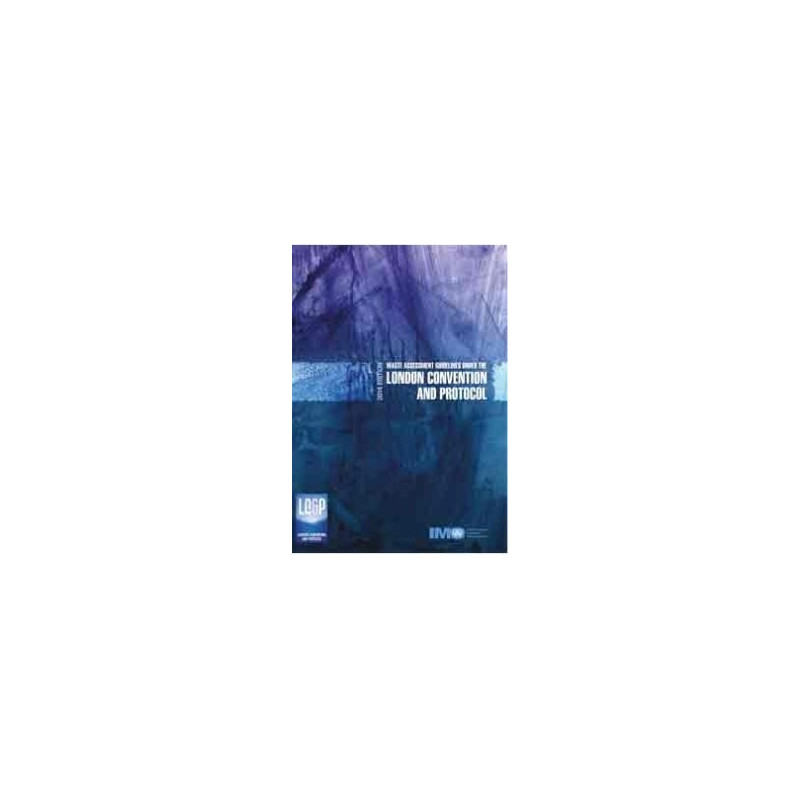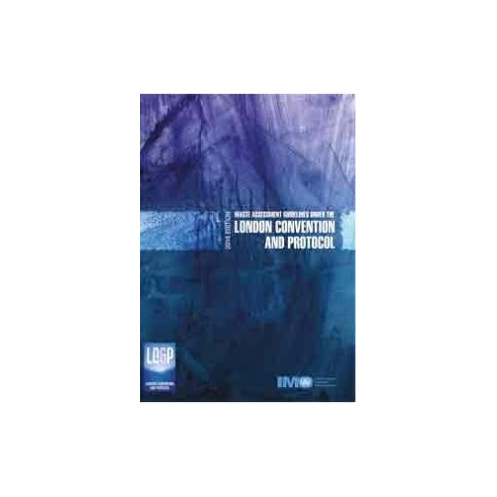


OMI - IMO531Ee - Waste Assessment Guidelines under the London Convention and Protocol
search
  • googlemap
  • OMI - IMO531Ee - Waste Assessment Guidelines under the London Convention and Protocol

IMO - 531Ee - Waste Assessment Guidelines under the London Convention and Protocol

€66.59
OMI
Chart or book in digital version In English language
Book programmed to order
Estimated preparation time: 0 to 3 days

Navigate waste assessment under the London Convention with expert guidelines on dredging, sewage, and offshore waste. Digital format for instant access and global compliance.

IMO531Ee

Data sheet

Picto
Chart or book in digital version
In English language
Book in version
digital version

Specific References

UPC
400000009773
EAN13
4000000023968
New
Book programmed to order
Description détaillée

Waste Assessment Guidelines under the London Convention and Protocol

Publication in English
Digital edition

Essential Compliance Resource for Maritime Waste Management

The *Waste Assessment Guidelines under the London Convention and Protocol* provide maritime professionals with the most authoritative framework for evaluating and managing waste disposal at sea. Developed by the International Maritime Organization (IMO), this digital publication consolidates the latest regulatory guidance adopted under the 1972 London Convention and its 1996 Protocol. It serves as a critical tool for ensuring compliance with international marine pollution prevention standards while supporting sustainable waste management practices in the shipping industry.

Comprehensive Waste Evaluation Framework

This publication delivers a structured approach to waste assessment, covering both generic and material-specific guidelines. It addresses key waste categories, including dredged materials, sewage sludge, fish waste, vessels and platforms, inert geological materials, organic matter of natural origin, bulky items, and carbon dioxide streams. Each section is designed to help maritime operators conduct thorough evaluations, ensuring that waste disposal activities align with environmental protection requirements and international legal obligations.

Designed for Maritime Industry Professionals

Tailored for shipowners, port authorities, environmental compliance officers, and maritime consultants, this digital edition provides practical, actionable guidance for implementing waste assessment procedures. The guidelines are particularly valuable for professionals involved in waste management planning, environmental impact assessments, and regulatory reporting. By integrating these standards into operational workflows, industry stakeholders can enhance their environmental stewardship while maintaining compliance with global maritime regulations.

Optimized Digital Access for Maritime Operations

Available as a secure digital e-book, this publication offers immediate access to essential regulatory content without the constraints of physical storage. The locked digital format ensures that the document remains tamper-proof while being fully compatible with the IMO’s free e-reader. This makes it an ideal resource for professionals who require reliable, on-demand access to compliance guidelines, whether onboard vessels, in port offices, or during remote consultations.

Up-to-Date Regulatory Reference for 2024 and Beyond

Published in June 2021, this edition reflects the most recent updates to the London Convention and Protocol, ensuring that maritime professionals have access to current best practices. With 139 pages of detailed guidance, it remains an indispensable reference for navigating the evolving landscape of marine waste management. By leveraging this resource, industry stakeholders can stay ahead of regulatory changes and implement waste assessment strategies that meet both legal and environmental standards.

Streamline Marine Waste Compliance with IMO’s Official Guidelines
The *Waste Assessment Guidelines under the London Convention and Protocol* is the definitive digital resource for maritime professionals tasked with evaluating and managing waste disposal at sea. Published by the International Maritime Organization (IMO), this 139-page e-book provides the latest regulatory frameworks adopted under the 1972 London Convention and its 1996 Protocol, ensuring alignment with global marine pollution prevention standards. Designed for ship operators, port authorities, and environmental compliance teams, it delivers structured guidance for assessing a wide range of waste types, from dredged materials to carbon dioxide streams, while supporting sustainable maritime operations.

Comprehensive Waste Assessment for Regulatory Adherence
This publication offers a dual-layered approach to waste evaluation, combining generic assessment principles with material-specific directives. It covers critical waste categories, including sewage sludge, fish waste, vessels and offshore structures, inert geological materials, and organic matter, providing clear criteria for determining disposal feasibility. By integrating these guidelines into operational workflows, maritime stakeholders can conduct thorough environmental impact assessments, ensure compliance with international regulations, and minimize ecological risks associated with waste disposal at sea.

Digital Efficiency for Modern Maritime Operations
Available in a secure, locked digital format, this e-book is optimized for seamless access across devices using the IMO’s free e-reader. The 2021 edition, measuring 295 mm x 210 mm, ensures easy readability while eliminating the need for physical storage. Its digital nature makes it an ideal tool for professionals who require instant access to regulatory content, whether onboard vessels, in port offices, or during remote consultations. This resource empowers maritime operators to implement waste management strategies that are both legally compliant and environmentally responsible.

This digital publication, released in June 2021, features 139 pages of regulatory guidance under the London Convention and Protocol. Available in English, it is published by the International Maritime Organization (IMO) in a secure e-book format, compatible with the IMO’s free e-reader. The document dimensions are 295 mm in height and 210 mm in width, ensuring optimal readability for professional use.

For over seven decades, the International Maritime Organization (IMO) has served as the United Nations’ specialized agency for regulating global shipping. Renowned for setting international standards in maritime safety, security, and environmental protection, the IMO develops conventions, protocols, and guidelines that shape industry practices worldwide. Its publications are trusted by maritime professionals for their technical precision and alignment with evolving regulatory requirements.

  • This digital guide ensures compliance with international marine pollution regulations while offering instant access to up-to-date waste assessment frameworks.
  • Its structured approach simplifies environmental impact evaluations, reducing operational risks and supporting sustainable waste management practices.
  • The secure e-book format enhances portability, making it an indispensable tool for maritime professionals who prioritize efficiency and regulatory adherence.
What types of waste assessments are covered in these guidelines?

The guidelines include generic waste assessment directives and specific assessments for dredged materials, sewage sludge, fish waste, vessels, platforms and structures, inert inorganic geological materials, organic materials of natural origin, bulky items, and carbon dioxide streams.

Is this publication available in physical format?

No, this edition is available only in a digital format as an e-book.

What is the page count of this digital publication?

The publication contains 139 pages.

Which software is required to read this e-book?

The e-book is readable using the free IMO e-reader, designed for locked digital formats.

Are there any updates or revisions in the 2021 edition?

The 2021 edition includes the latest adopted guidance documents from the meetings of the London Convention and its 1996 Protocol.

What are the dimensions of the printed version of this publication?

The printed version measures 295 mm in height and 210 mm in width.

Loading...