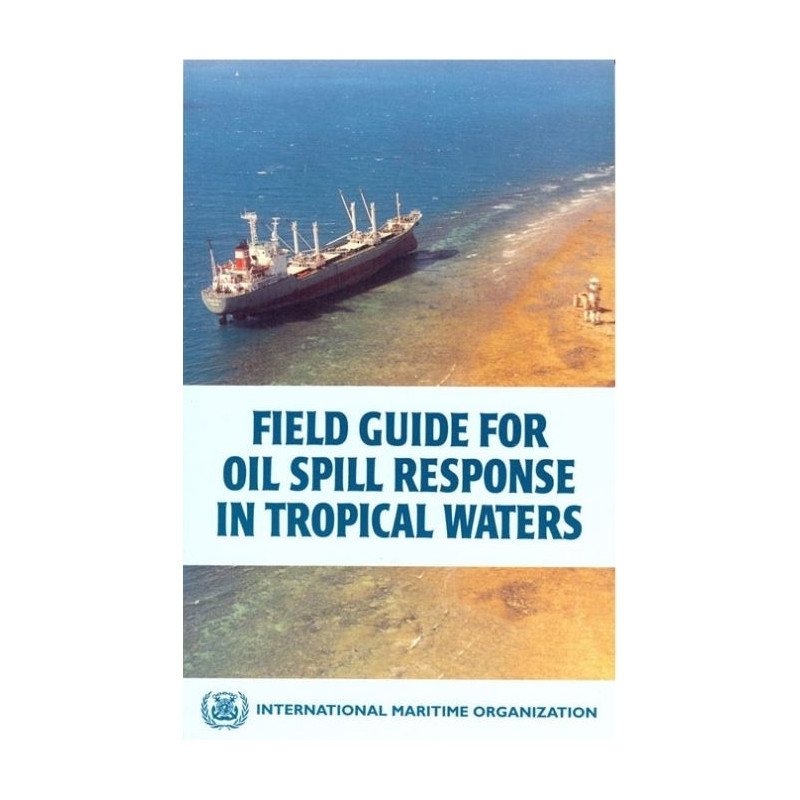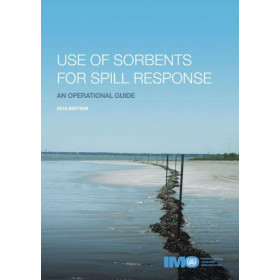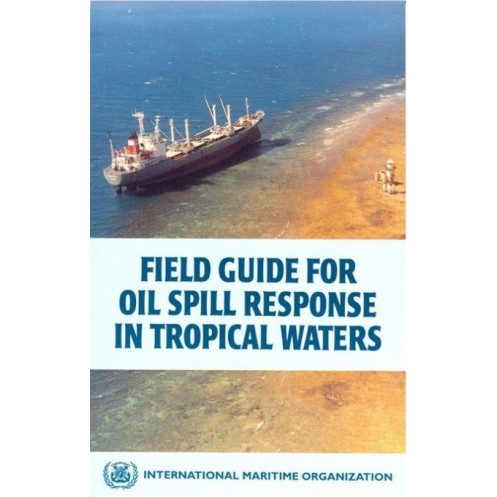





Illustrated field guide for oil spill response in tropical waters. Covers strategies, habitat protection, and techniques for warm climates.
Digital edition for instant access in the field.
Data sheet
Specific References
When an oil spill occurs in tropical waters, every second counts. This comprehensive field guide is designed for professionals tasked with responding to marine oil spills in warm, sensitive ecosystems. It delivers actionable strategies tailored to the unique challenges of tropical environments, where oil behavior, ecosystem vulnerability, and response techniques differ significantly from colder climates. With clear, science-backed guidance, this guide ensures responders can act swiftly and effectively to minimize environmental damage.
Tropical waters are home to some of the world’s most fragile and biodiverse ecosystems, from coral reefs to mangrove forests. This guide provides in-depth insights into the behavior of spilled oil in warm waters, where evaporation, dispersion, and biodegradation occur at accelerated rates. It outlines best practices for response strategies, including containment, recovery, and cleanup techniques, while highlighting methods to avoid that could exacerbate environmental harm. The content is grounded in real-world case studies and scientific research, offering a reliable foundation for decision-making in high-pressure situations.
Whether you’re part of a maritime emergency response team, an environmental consultant, or a government agency, this guide equips you with the knowledge needed to protect tropical marine habitats. It covers a range of scenarios, from minor leaks to large-scale spills, and addresses the specific risks posed by offshore drilling, shipping traffic, and coastal refineries. The guide also emphasizes the importance of local communities, which often rely on marine resources for food, livelihoods, and tourism, making effective spill response critical for both ecological and economic stability.
Designed for use in the field, this guide features extensive illustrations, diagrams, and step-by-step instructions to simplify complex concepts. Its digital format ensures quick access to critical information, whether you’re on a vessel, at a command center, or in the field. The guide is structured to help responders assess the situation rapidly, select the appropriate response measures, and implement them with precision. With its focus on tropical waters, it fills a critical gap in spill response literature, offering specialized knowledge that general guides often overlook.
Published by a globally recognized maritime organization, this guide reflects decades of expertise in marine safety and environmental protection. It is widely used by professionals in the shipping industry, oil and gas sector, and government agencies responsible for marine conservation. By providing a standardized approach to oil spill response in tropical waters, it helps ensure consistency and effectiveness across international borders, making it an indispensable tool for anyone involved in marine emergency preparedness.
Protect Tropical Marine Ecosystems with Expert-Backed Oil Spill Response Strategies
This digital field guide is the definitive resource for professionals responding to oil spills in tropical waters, where unique environmental conditions demand specialized knowledge. Unlike generic spill response manuals, this guide focuses exclusively on the challenges of warm-water ecosystems, offering tailored strategies to address the rapid spread, evaporation, and ecological impact of oil in these sensitive regions. With 60 pages of expertly curated content, it provides a concise yet comprehensive toolkit for emergency responders, environmental consultants, and maritime professionals.
Science-Driven Solutions for High-Stakes Scenarios
Backed by real-world case studies and scientific research, this guide delivers actionable insights into the behavior of oil in tropical environments. It explains how factors like water temperature, salinity, and marine biodiversity influence spill dynamics, helping responders anticipate challenges and adapt their strategies accordingly. The guide also highlights critical dos and don’ts, ensuring that response efforts prioritize both effectiveness and environmental protection. Whether dealing with a minor leak or a large-scale disaster, users can rely on this resource to make informed decisions under pressure.
Designed for Field Use with Instant Digital Access
Optimized for on-the-go professionals, this digital guide is available as an e-book, ensuring instant access to vital information anytime, anywhere. Its user-friendly format includes illustrations, diagrams, and step-by-step instructions, making complex concepts easy to understand and apply in real-time. Compatible with standard e-readers and Adobe Reader, it eliminates the need for bulky physical manuals while maintaining the same level of detail and reliability. Ideal for use on vessels, in command centers, or during field operations, it streamlines response efforts and enhances preparedness.
Global Standard for Tropical Oil Spill Response
Published by a leading maritime authority, this guide sets the benchmark for oil spill response in tropical waters. It is trusted by industry leaders, government agencies, and environmental organizations worldwide, providing a unified approach to managing spills in regions where marine ecosystems are particularly vulnerable. By equipping responders with the right tools and knowledge, it helps safeguard coral reefs, mangroves, and coastal communities that depend on healthy oceans for survival.
This digital field guide is published in English and available as an e-book, with 60 pages of expert content. Released in 1997, it remains a trusted resource for oil spill response in tropical waters, featuring an ISBN of 978-92-801-1420-1 and a DOI of 10.62454/E649E. Compatible with Adobe Reader, it is designed for seamless access on digital devices, ensuring responders have critical information at their fingertips when it matters most.
With decades of expertise in maritime safety and environmental protection, this publisher is a globally recognized authority in the shipping and marine industries. Its publications are trusted by professionals worldwide, offering science-backed solutions to some of the most pressing challenges in marine conservation and emergency response. This guide reflects the organization’s commitment to providing reliable, practical resources for safeguarding our oceans.
The guide provides detailed information on response measures for various tropical marine habitats, including coral reefs, mangroves, seagrass beds, and sandy shorelines, along with specific actions to adopt or avoid.
In tropical waters, oil tends to weather faster due to higher temperatures, which affects its evaporation, dispersion, and biodegradation rates. This guide explains these differences and their implications for response strategies.
Yes, the guide incorporates real-world case studies and scientific literature to illustrate effective response techniques and lessons learned from past oil spills in tropical environments.
The e-book requires Adobe Reader or the free OMI reader to access the locked digital format.
While the guide is technical, it is extensively illustrated and designed to be accessible for field responders, including those with limited prior experience in oil spill management.
Yes, it highlights the vulnerability of tropical economies reliant on fisheries, aquaculture, desalination, and tourism, and provides guidance on mitigating environmental and economic impacts.
You might also like