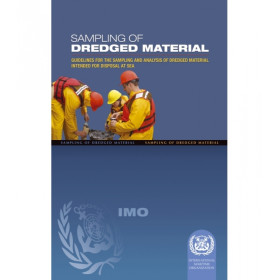




Ensure compliance with international maritime standards with these official guidelines for sampling and analyzing dredged material destined for sea disposal. A must-have for environmental assessment.
Data sheet
Specific References
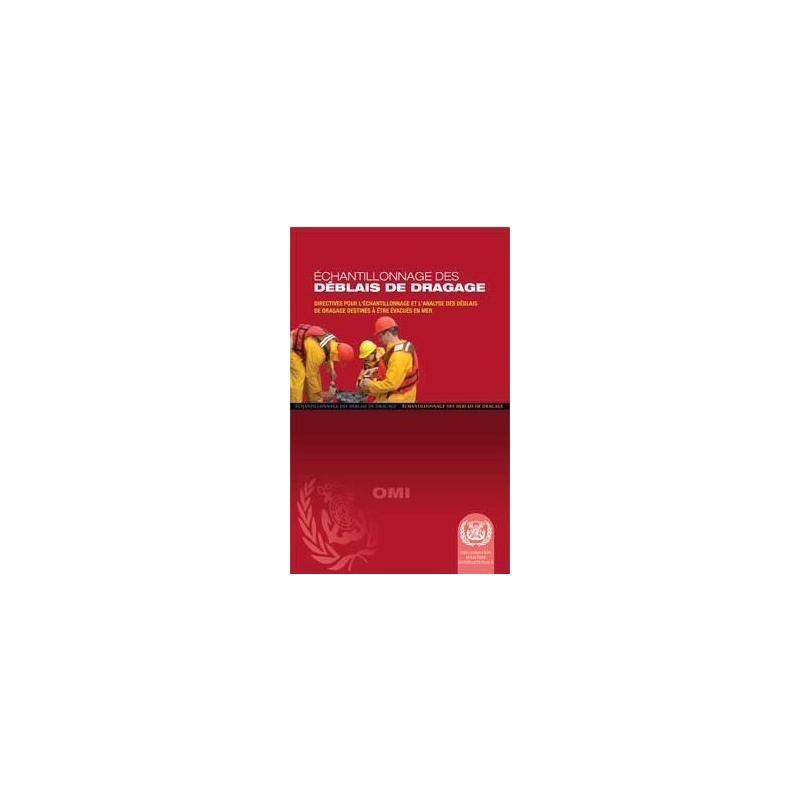
Navigate the complexities of marine waste disposal with the official IMO 537Fe Guidelines for the Sampling and Analysis of Dredged Material. Designed for professionals in the maritime industry, this digital publication provides a comprehensive framework for assessing dredged material before disposal at sea. Aligned with the London Convention of 1972 and its 1996 Protocol, these guidelines ensure compliance with international environmental regulations while maintaining operational efficiency.
This document consolidates two critical sets of directives: the guidelines for sediment sampling (LC 24/17, Addendum 1) and the selection and analysis of physical and chemical parameters (LC/SG 26/12, Annex 2). It delivers a structured approach to evaluating dredged material, covering everything from substance selection to on-site sampling and laboratory analysis. Whether you’re conducting physical, chemical, or biological assessments, these guidelines provide the tools needed to make informed decisions about waste disposal.
Tailored for port authorities, environmental consultants, dredging companies, and regulatory bodies, this publication streamlines the assessment process. It ensures that all evaluations meet international standards, reducing the risk of non-compliance and environmental harm. The digital format allows for quick access and easy reference, making it an indispensable resource for professionals working in marine waste management.
With 72 pages of expert guidance, this document covers every stage of the assessment process, from initial sampling strategies to detailed analytical protocols. It addresses critical parameters such as contaminant levels, sediment composition, and ecological impact, ensuring that disposal decisions are both scientifically sound and legally compliant. By following these guidelines, professionals can minimize environmental risks while optimizing operational workflows.
Published by the International Maritime Organization (IMO) in 2005, this document reflects decades of expertise in maritime environmental protection. Available in English, Spanish, and French, it serves as a global benchmark for dredged material assessment. Whether you’re managing a small-scale dredging project or overseeing large-scale marine operations, these guidelines provide the clarity and precision needed to ensure responsible waste disposal.
Streamline Your Dredged Material Assessments with IMO’s Official Guidelines
Ensure compliance and environmental safety with the IMO 537Fe – Guidelines for the Sampling and Analysis of Dredged Material Intended for Disposal at Sea. This digital publication is the definitive resource for maritime professionals tasked with evaluating dredged sediments before ocean disposal. Developed under the London Convention of 1972 and its 1996 Protocol, these guidelines provide a standardized framework to assess waste materials, ensuring they meet international environmental regulations. With 72 pages of expert guidance, this document merges two critical directives—sediment sampling protocols and parameter analysis methods—into a single, cohesive resource.
Comprehensive Protocols for Accurate Waste Evaluation
This publication delivers a step-by-step approach to evaluating dredged material, covering substance selection, on-site sampling, and laboratory analysis. It outlines best practices for assessing physical, chemical, and biological parameters, ensuring that all evaluations are thorough and compliant. Whether you’re testing for contaminant levels, sediment composition, or ecological impact, these guidelines provide the precision needed to make informed disposal decisions. The digital format ensures quick access and easy reference, making it an essential tool for port authorities, environmental consultants, and dredging companies.
Designed for Efficiency and Compliance
Published in January 2005, this document reflects the latest advancements in marine waste management. Available in French, English, and Spanish, it serves as a global standard for professionals in the maritime industry. By following these guidelines, you can minimize environmental risks, avoid regulatory penalties, and optimize operational workflows. The locked digital format, readable with the free IMO e-reader, ensures secure and convenient access, making it a must-have for any organization involved in marine waste disposal.
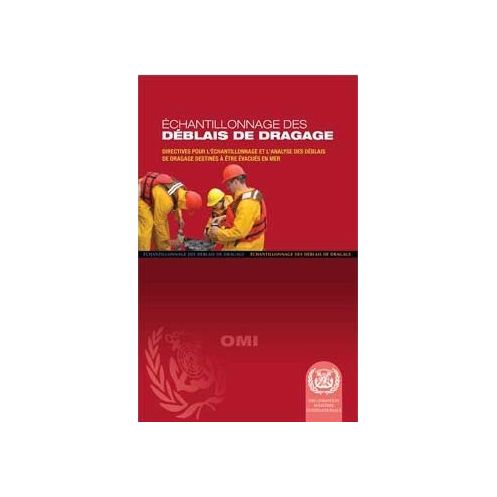
The IMO 537Fe – Guidelines for the Sampling and Analysis of Dredged Material Intended for Disposal at Sea is a digital publication in French, published in January 2005. It spans 72 pages and consolidates official directives from the International Maritime Organization (IMO) for assessing dredged material. The document is available in a locked digital format, compatible with the free IMO e-reader, and is also offered in English and Spanish editions.
With a legacy of setting global maritime standards, the publisher behind this document is a leading authority in international shipping and environmental regulations. Known for its expertise in developing guidelines that ensure safety, compliance, and sustainability in the maritime industry, this organization provides essential resources for professionals worldwide.
These guidelines provide a framework for sampling and analyzing dredged material intended for disposal at sea, ensuring compliance with the London Convention 1972 and its 1996 Protocol. They focus on waste assessment, including physical, chemical, and biological evaluations.
Yes, the guidelines are available in English, Spanish, and French.
The digital version is a locked electronic book format, readable with a free dedicated e-reader.
The guidelines cover the selection of substances of interest, on-site sampling procedures, and physical, chemical, and biological analysis methods for assessing dredged material quality.
Yes, it includes practical instructions for on-site sampling and analysis, making it suitable for field applications.
The document contains 72 pages.
These guidelines were published in January 2005.
You might also like