




Essential digital guide for marine salvage operations, covering oil spill response, behavior, and remediation techniques. Updated with in-situ burning and bioremediation insights for professionals.
Data sheet
Specific References
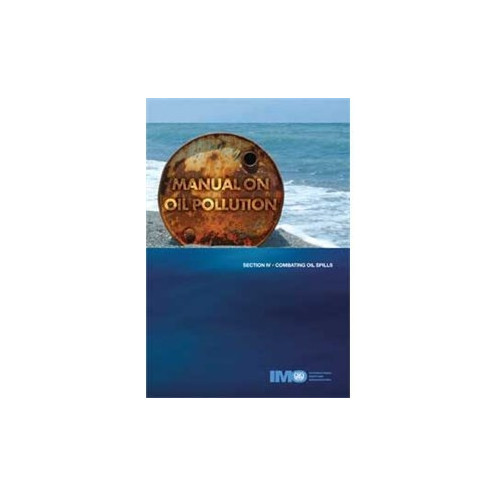
The Manual on Oil Pollution Section 3 – Salvage is a cornerstone reference for professionals tasked with responding to maritime oil spills. This digital edition synthesizes decades of global expertise, offering a comprehensive guide to salvage operations in the event of oil pollution incidents. Designed for maritime authorities, salvage teams, and environmental responders, it provides actionable insights to mitigate ecological and economic impacts while ensuring compliance with international regulations.
Building on over 30 years of real-world experience, this manual reflects the evolution of oil spill response strategies. It incorporates lessons learned from major incidents worldwide, ensuring that users benefit from the most current and effective practices. The 2005 edition, approved by the IMO’s Marine Environment Protection Committee (MEPC), represents the culmination of collaborative efforts by the OPRC Working Group, a global network of experts in oil pollution preparedness and response.
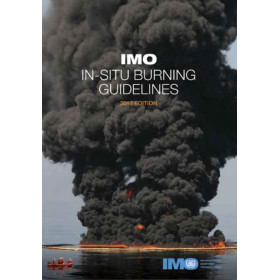
From the behavior of different oil types in marine environments to advanced response techniques, this manual covers every critical aspect of salvage operations. It includes detailed guidance on in-situ burning and bioremediation, two cutting-edge methods for managing oil spills. The publication also addresses the logistical challenges of equipment storage, maintenance, and training, ensuring that responders are prepared for rapid deployment in high-pressure situations.
Beyond technical guidance, the manual provides clarity on the legal and financial dimensions of oil spill response. It outlines frameworks for liability, compensation, and cost accounting, helping organizations navigate the complexities of international maritime law. This section is particularly valuable for insurers, legal teams, and government agencies involved in post-incident assessments and claims management.
As a digital publication, this manual is optimized for use with the IMO’s free e-reader, ensuring seamless access across devices. The locked format guarantees that users always have the most up-to-date information at their fingertips, whether in the office or in the field. Its 220-page structure is organized for quick reference, making it an indispensable tool for professionals who need reliable information in real time.
Since its first edition in 1972, this manual has been a trusted resource for the maritime industry. Regularly updated to reflect advancements in technology and best practices, it remains the go-to reference for governments, salvage operators, and environmental agencies. Whether preparing for drills, responding to an incident, or training new personnel, this publication ensures that teams are equipped with the knowledge to act swiftly and effectively.
Your Go-To Guide for Maritime Salvage and Oil Spill Response
The Manual on Oil Pollution Section 3 – Salvage is the definitive digital resource for professionals managing oil pollution incidents at sea. Developed by the International Maritime Organization (IMO), this 2005 edition distills over three decades of global expertise into a single, accessible volume. With 220 pages of technical guidance, it covers everything from the behavior of spilled oil to advanced response techniques like in-situ burning and bioremediation. Whether you're a salvage operator, environmental responder, or maritime authority, this manual provides the tools to mitigate ecological damage and streamline recovery efforts.
Built on Real-World Experience
This manual is not just theoretical—it’s grounded in the lessons learned from major oil spills worldwide. Updated from previous editions published in 1972, 1980, and 1988, it reflects the latest advancements in oil spill response. The content was developed by the IMO’s OPRC Working Group and approved by the Marine Environment Protection Committee (MEPC), ensuring it meets the highest international standards. It’s a must-have for organizations that prioritize preparedness and compliance with global maritime regulations.
Practical Guidance for Every Stage of Salvage
From the moment an oil spill occurs, time is critical. This manual provides step-by-step guidance on assessing the behavior of different oil types, deploying response equipment, and executing salvage operations. It includes detailed chapters on training, equipment maintenance, and logistical planning, ensuring that teams are ready to act when every second counts. The digital format allows for quick navigation, making it ideal for use in high-pressure environments where rapid decision-making is essential.
Legal and Financial Clarity for Post-Incident Management
Oil spills don’t just pose environmental risks—they also come with complex legal and financial challenges. This manual addresses these issues head-on, offering clear frameworks for liability, compensation, and cost accounting. It’s an invaluable resource for insurers, legal teams, and government agencies tasked with managing the aftermath of an incident. By providing a standardized approach to these critical areas, the manual helps organizations minimize disputes and streamline recovery processes.
This digital manual is published in English and is available in a locked digital format, compatible with the IMO’s free e-reader. Released in May 2006, the 2005 edition spans 220 pages and builds on previous versions from 1972, 1980, and 1988. It is designed for professionals in the maritime industry, offering technical guidance on oil spill response, salvage operations, and environmental protection.
With a legacy spanning decades, the publisher of this manual is a leading authority in maritime safety and environmental protection. Recognized globally for setting international standards, their publications are trusted by governments, industry leaders, and professionals worldwide. This manual reflects their commitment to providing actionable, science-based guidance for managing maritime risks and protecting marine ecosystems.
The manual covers various response techniques including in situ burning, bioremediation, behavior and fate of different oil types during spills, and strategies for protecting marine and coastal resources.
No, the digital version is locked and can only be read using the free e-reader provided by the publisher.
Yes, the manual provides detailed guidance on training, drills, equipment maintenance, and storage practices for effective oil spill response.
Yes, it includes updated information on liability, compensation, and cost accounting related to oil pollution incidents.
The manual contains 220 pages of comprehensive information on oil pollution salvage and response.
This edition was published in May 2006, based on the 2005 revision.
You might also like