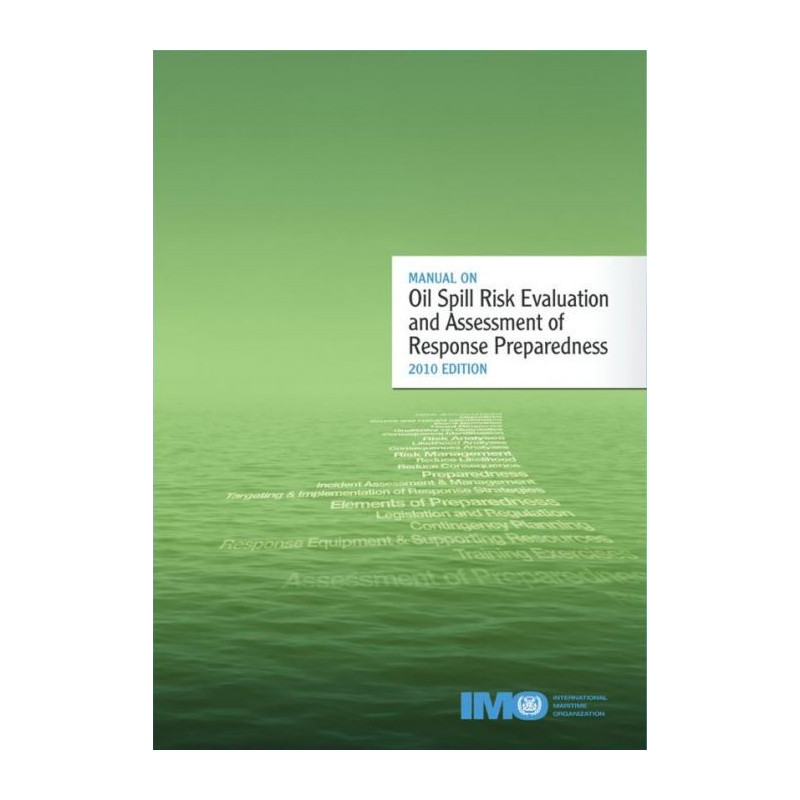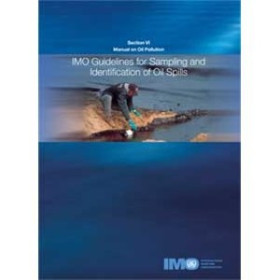





Expert manual on oil spill sampling and identification, designed for risk assessment and response planning. A must-have for authorities and operators safeguarding marine ecosystems.
Data sheet
Specific References
When an oil spill occurs, every second counts. The IMO Manual on Oil Pollution Section 6 – Sampling and Identification of Oil Spills delivers the critical knowledge needed to act swiftly and effectively. This authoritative resource equips maritime professionals with scientifically validated methods for collecting, analyzing, and identifying oil samples—ensuring accurate source determination and informed decision-making during environmental emergencies.
Developed by the International Maritime Organization (IMO), this manual addresses the full spectrum of oil spill response challenges. It provides structured protocols for risk assessment, contingency planning, and operational readiness, tailored to the needs of governments, industries, and environmental agencies. Whether evaluating existing response strategies or developing new ones, this guide offers a systematic approach to mitigating ecological and economic impacts.
Beyond theoretical guidance, this manual bridges the gap between policy and practice. It includes actionable recommendations for assessing the adequacy of spill response arrangements, with a focus on both prevention and crisis management. Ideal for developing nations and established maritime operations alike, it helps stakeholders verify their preparedness to protect coastal and marine environments from pollution threats.
Available in a secure digital format, this manual ensures instant access to vital information—anytime, anywhere. Compatible with the IMO’s free e-reader, it eliminates the need for physical storage while maintaining the integrity of its technical content. Lightweight and portable, it’s the perfect tool for field teams, regulatory bodies, and industry experts who demand reliability and convenience.
Since its publication in 2010, this manual has become a cornerstone reference for marine pollution response. Its methodologies are recognized globally for their rigor and adaptability, making it indispensable for professionals tasked with safeguarding marine ecosystems. Whether you’re refining emergency protocols or training response teams, this manual provides the clarity and precision needed to navigate complex spill scenarios.
Master Oil Spill Response with Precision and Confidence
The IMO Manual on Oil Pollution Section 6 – Sampling and Identification of Oil Spills is the definitive guide for maritime professionals tasked with detecting, analyzing, and mitigating oil pollution. This digital manual delivers a robust framework for sampling and identifying oil spills, ensuring that responders can accurately trace the source of contamination and implement effective countermeasures. Designed for use in high-stakes environments, it combines scientific rigor with practical application, making it an indispensable tool for environmental protection agencies, shipping companies, and coastal authorities.
Engineered for Accuracy and Reliability
This manual provides step-by-step protocols for collecting oil samples under varying conditions, from open waters to shorelines. It outlines best practices for preserving sample integrity, conducting laboratory analyses, and interpreting results—critical steps for building legal and operational cases. With a focus on real-world scenarios, it addresses challenges such as weathering effects, mixed spills, and trace-level detection, ensuring that responders can make informed decisions even in complex situations.
Enhance Preparedness and Compliance
Beyond sampling techniques, this guide supports broader preparedness efforts by offering guidelines for risk assessment and contingency planning. It helps organizations evaluate their response capabilities, identify gaps, and align with international standards. By integrating this manual into training programs and emergency protocols, maritime stakeholders can strengthen their readiness to protect marine ecosystems and comply with regulatory requirements.
Seamless Digital Integration for Modern Workflows
Available in a secure digital format, this manual is optimized for accessibility and efficiency. Compatible with the IMO’s free e-reader, it allows users to access critical information instantly, whether in the office or in the field. Its compact file size (0.20 lb) and portable dimensions (11.70 x 8.25 x 0.50 inches) make it ideal for professionals who need reliable, on-the-go reference material without the bulk of physical copies.
Published in 2010, this digital manual is authored by the International Maritime Organization (IMO) and presented in English. It is designed for use with the IMO’s free e-reader, ensuring secure and convenient access. The file is lightweight, with a depth of 11.70 inches, height of 8.25 inches, and width of 0.50 inches, making it easy to store and transport.
With a legacy of setting global standards for maritime safety and environmental protection, the publisher behind this manual is a leading authority in the shipping industry. Its publications are trusted by governments, regulatory bodies, and industry professionals worldwide, providing science-based solutions to complex challenges like oil pollution. This manual reflects decades of expertise in developing practical, actionable guidance for marine operations.
The manual provides guidelines for assessing oil spill risks and evaluating response preparedness, helping industries and governments develop effective contingency plans.
Yes, it offers tailored advice for governments and industries in developing countries to evaluate risks and improve oil spill response strategies.
The physical version measures 11.70 inches in depth, 8.25 inches in height, and 0.50 inches in width.
The physical version weighs approximately 0.20 lb.
The digital version is available in a locked format, readable using the free IMO e-reader.
Yes, it assists authorities and operators in evaluating whether their oil spill preparedness measures are adequate to protect the surrounding environment.
You might also like