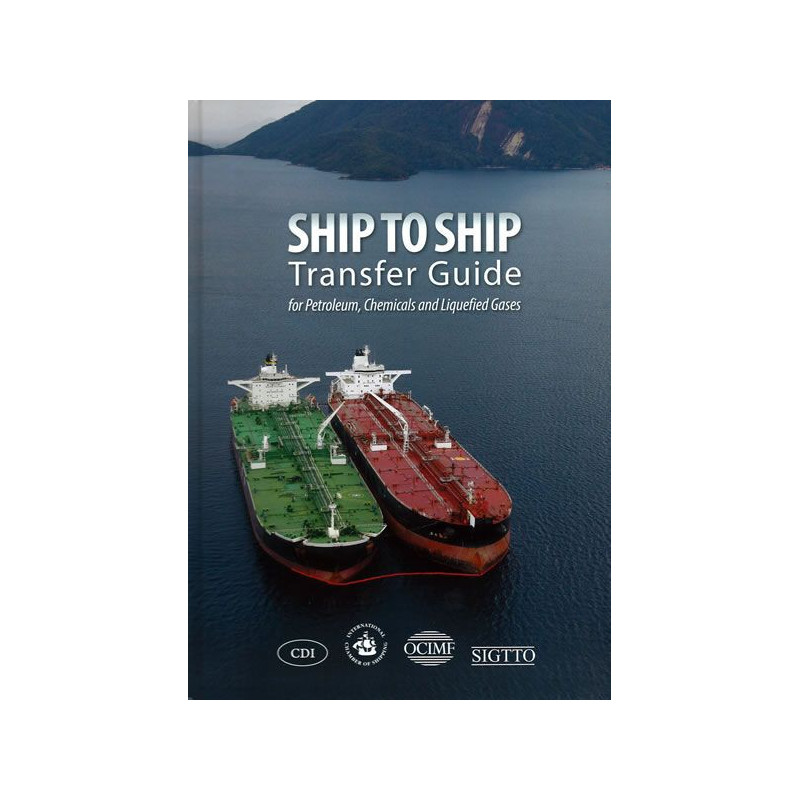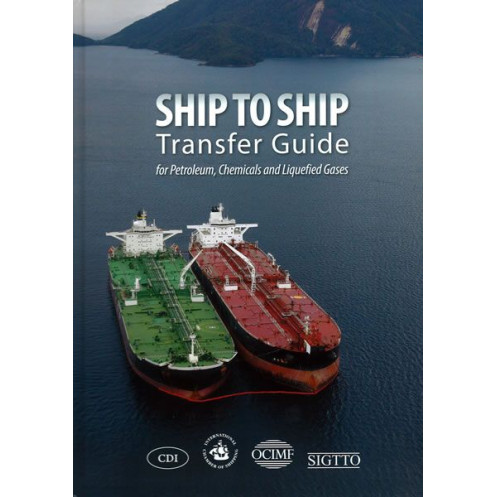



Optimize ship-to-ship transfer operations for petroleum, chemicals, and gases with this trusted industry guide. Covers risk management, safety standards, and best practices for maritime professionals.
Data sheet
Specific References
This comprehensive guide is the industry’s go-to resource for planning and executing secure ship-to-ship (STS) transfer operations involving petroleum, chemicals, and liquefied gases. Developed collaboratively by leading maritime organizations, it delivers expert guidance tailored to ship captains, maritime superintendents, STS service providers, and transfer organizers. Whether operations take place at sea or in port, this publication ensures compliance with best practices while addressing critical safety and operational challenges.
Safety is the cornerstone of every STS transfer operation, and this guide places a strong emphasis on risk assessment to mitigate potential hazards. It provides detailed protocols for evaluating vessel compatibility, managing crew workloads to prevent fatigue, and implementing robust safety measures. With clear recommendations on minimum equipment requirements and operational best practices, users can confidently navigate the complexities of transferring high-risk cargoes while adhering to regulatory standards.
Recognizing the critical role of human performance in maritime operations, this edition includes a dedicated chapter on human factors, ensuring that crew preparedness and decision-making are prioritized. Key updates also cover personnel transfers and cargo operations for petroleum, chemicals, LPG, and LNG, reflecting the latest industry advancements. The guide aligns with ISGOTT standards and replaces previous editions, consolidating decades of practical experience into a single, authoritative resource.
To streamline operations, the guide features six structured Ship to Ship Safety Checklists, designed to enhance efficiency and reduce errors. These checklists provide a step-by-step framework for verifying safety protocols, equipment readiness, and procedural compliance before, during, and after transfers. By integrating these tools, maritime professionals can ensure smoother, more reliable operations while minimizing risks to personnel, vessels, and the environment.
Backed by the collective expertise of the Oil Companies International Marine Forum (OCIMF), the Society of International Gas Tanker and Terminal Operators (SIGTTO), and other key stakeholders, this guide embodies over half a century of maritime knowledge. It is continuously updated to reflect evolving regulations and technological advancements, making it an indispensable tool for professionals committed to maintaining the highest standards of safety and efficiency in STS operations.
Master the complexities of ship-to-ship transfers with the definitive industry guide
Navigating the challenges of transferring petroleum, chemicals, and liquefied gases between vessels demands precision, expertise, and unwavering adherence to safety protocols. The Ship to Ship Transfer Guide for Petroleum, Chemicals and Liquefied Gases is the most trusted resource for maritime professionals, offering a complete framework for planning, executing, and monitoring STS operations. Developed by a coalition of industry leaders—including OCIMF, SIGTTO, CDI, and ICS—this guide bridges the gap between regulatory compliance and real-world operational excellence.
Comprehensive coverage for high-stakes cargo transfers
This guide addresses every critical aspect of STS operations, from risk assessment and vessel compatibility to crew workload management and fatigue prevention. It provides actionable recommendations for minimum equipment standards, safety protocols, and operational best practices, ensuring that transfers are conducted with the highest level of precision. Whether handling crude oil, refined products, or liquefied gases like LPG and LNG, users gain access to proven strategies that minimize risks while maximizing efficiency.
Updated chapters and practical tools for modern maritime challenges
The latest edition introduces a dedicated chapter on human factors, emphasizing the role of crew preparedness and decision-making in safe operations. Key updates also include revised sections on personnel transfers and cargo operations for petroleum, chemicals, and gas, reflecting the latest industry advancements. To further enhance operational reliability, the guide includes six Ship to Ship Safety Checklists, aligned with ISGOTT standards, providing a structured approach to verifying safety measures before, during, and after transfers.
Built on decades of industry expertise and regulatory alignment
With over 50 years of collective experience, this guide consolidates the knowledge of leading maritime organizations into a single, authoritative resource. It replaces previous editions, including the Ship to Ship Transfer Guide (Petroleum) and Ship to Ship Transfer Guide (Liquefied Gas), ensuring users have access to the most current and comprehensive information. Published by Witherby-Seamanship, this guide is designed to evolve alongside regulatory changes, making it an indispensable tool for professionals committed to upholding the highest standards of safety and efficiency.
This essential industry guide is available in both printed and eBook formats, offering flexibility for maritime professionals. The printed edition, published in September 2025, weighs 1.5 kg (3.3 lbs) with a shipping weight of 1.2 kg (2.6 lbs). It is the 2nd edition, updated to include critical revisions such as a dedicated chapter on human factors, enhanced sections on personnel and cargo transfers, and six Ship to Ship Safety Checklists aligned with ISGOTT standards. Written in English, this 2013 edition remains the current reference for STS operations, replacing earlier guides for petroleum and liquefied gases.
With a legacy of shaping global maritime standards, this publisher is a trusted name in the industry, known for producing authoritative guides that bridge the gap between regulatory requirements and practical application. Their publications are developed in collaboration with leading organizations, ensuring that each resource reflects the latest advancements in safety, technology, and operational best practices. Designed for professionals who demand precision and reliability, their guides are essential tools for navigating the complexities of modern maritime operations.
The 2023 edition includes updated chapters on human factors, personnel transfer (Chapter 5), and cargo operations for petroleum, chemicals, LPG, and LNG (Chapter 10). It also features revised Ship to Ship Safety Checklists aligned with ISGOTT standards.
Yes, the guide is available in both printed and eBook formats.
The shipping weight of the printed guide is 1.2 kg, while the actual weight is 1.5 kg.
The guide was developed jointly by CDI, ICS, OCIMF, and SIGTTO, reflecting industry best practices and regulatory updates.
Yes, it provides comprehensive guidelines for ship-to-ship transfers of petroleum, chemicals, LPG, and LNG, including dedicated chapters for each cargo type.
Yes, the guide includes six Ship to Ship Safety Checklists, aligned with ISGOTT standards, to ensure secure operations.
The latest edition was published in September 2025, though the content reflects the 2013 edition with updated chapters.
You might also like