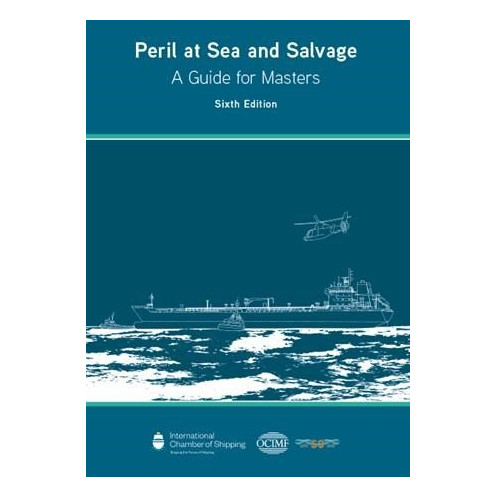



This updated guide for ship masters provides expert protocols for maritime emergencies, salvage, and stakeholder communication. Ensures compliance and preparedness in critical situations.
Data sheet
Specific References
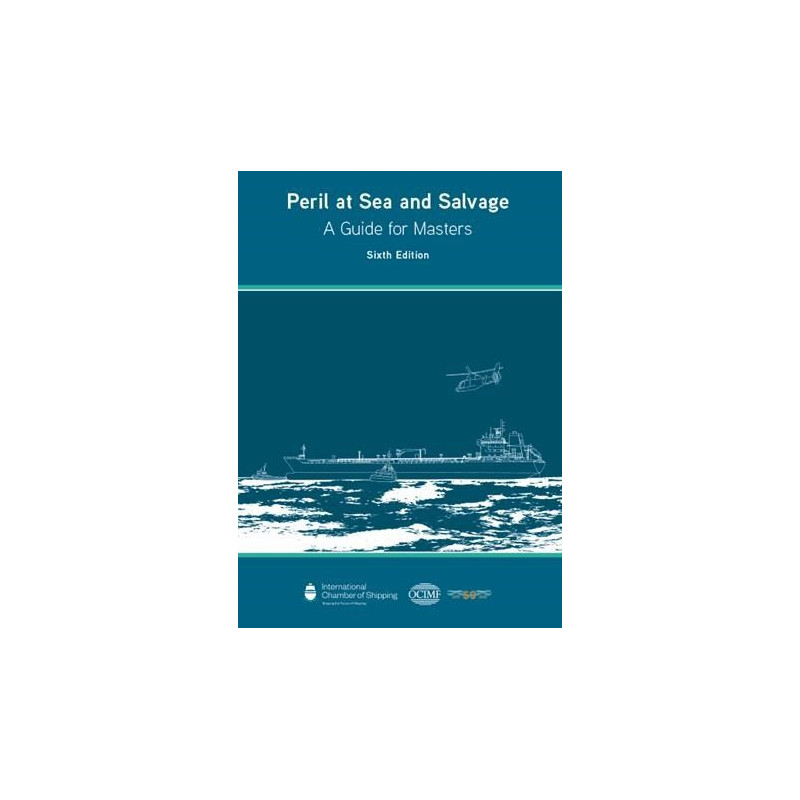
Master the Art of Crisis Management at Sea with *Peril at Sea and Salvage: A Guide for Masters*
In the unpredictable world of maritime operations, emergencies can arise without warning—whether it’s a mechanical failure, a collision, or a sudden environmental threat. *Peril at Sea and Salvage: A Guide for Masters* is the definitive resource for shipmasters, offering a structured, step-by-step approach to managing crises with confidence and precision. This sixth edition, updated for 2020, integrates the latest industry advancements, ensuring that you have the most current strategies at your fingertips when every second counts.
From Immediate Response to Long-Term Salvage: A Complete Framework for Action
This guide doesn’t just outline theoretical best practices—it provides actionable, real-world solutions for the full spectrum of maritime emergencies. Begin with the critical first steps: assessing the situation, stabilizing the vessel, and initiating emergency protocols. The guide then walks you through the complexities of salvage operations, including arranging towage, coordinating with salvage teams, and negotiating contracts under pressure. With clear, concise instructions, it ensures that you can make informed decisions quickly, minimizing risks to crew, cargo, and the environment.
Enhanced Communication and Stakeholder Coordination
Effective crisis management hinges on clear, timely communication. This edition emphasizes the importance of notifying key stakeholders—such as coastal states, shipowners, and insurers—without delay. It provides templates and guidelines for reporting incidents, ensuring compliance with international regulations while keeping all parties informed. The guide also highlights the role of modern communication tools, enabling shipmasters to leverage satellite systems, digital reporting platforms, and real-time data sharing to enhance situational awareness and response efficiency.
Support for Shore-Based Teams and Remote Assistance
While shipmasters are the primary responders in emergencies, shore-based personnel are critical in providing remote support. This guide includes a dedicated section for onshore teams, offering recommendations on how to assist shipmasters from a distance. Whether it’s interpreting data, coordinating with salvage services, or advising on legal and insurance matters, shore-based teams will find practical advice to enhance their collaboration with vessels in distress.
Designed for the Modern Maritime Professional
Since the last edition in 1998, the maritime industry has undergone significant transformation. This guide reflects those changes, incorporating updates in technology, regulations, and emergency response protocols. It aligns with current industry standards, such as the latest SOLAS (Safety of Life at Sea) requirements and IMO (International Maritime Organization) guidelines, ensuring that your response strategies are both compliant and cutting-edge. Whether you’re a seasoned shipmaster or a maritime training professional, this guide is an invaluable tool for navigating the complexities of modern maritime operations.
This sixth edition of *Peril at Sea and Salvage: A Guide for Masters* is a robust, 90-page hardback guide designed for durability and ease of use in high-pressure environments. Measuring 303 mm in height and 232 mm in width, it features a ringbound format for quick reference, allowing shipmasters to access critical information without delay. Weighing 1.2 kg (with a shipping weight of 900 g), this guide is built to withstand the rigors of maritime use while remaining portable. Published in October 2020, it is the most up-to-date resource available for managing emergencies at sea.
With a legacy spanning decades, the publisher behind this guide is a globally recognized authority in maritime safety and operational standards. Known for producing industry-leading resources, their publications are trusted by shipmasters, maritime training institutions, and emergency response teams worldwide. Their commitment to accuracy, relevance, and practicality ensures that every guide they produce meets the highest standards of excellence, making them an indispensable partner for maritime professionals.
The guide covers a wide range of maritime emergencies, including initial assessment, immediate actions, towing arrangements, and salvage operations. It also addresses the importance of rapid notification to stakeholders such as coastal states and shipowners.
This sixth edition reflects major advancements in technology, regulations, and communication since 1998. It includes updated guidance for masters and shore-based personnel, ensuring better remote support during emergencies.
Yes, it is designed for use by masters, shore-based personnel, emergency assistance services, and maritime training institutions to enhance preparedness and response strategies.
The book is ringbound, providing durability and ease of use in operational environments.
This sixth edition contains 90 pages of comprehensive guidance for handling maritime emergencies.
The book measures 303 mm in height and 232 mm in width, making it a practical reference for onboard use.
You might also like