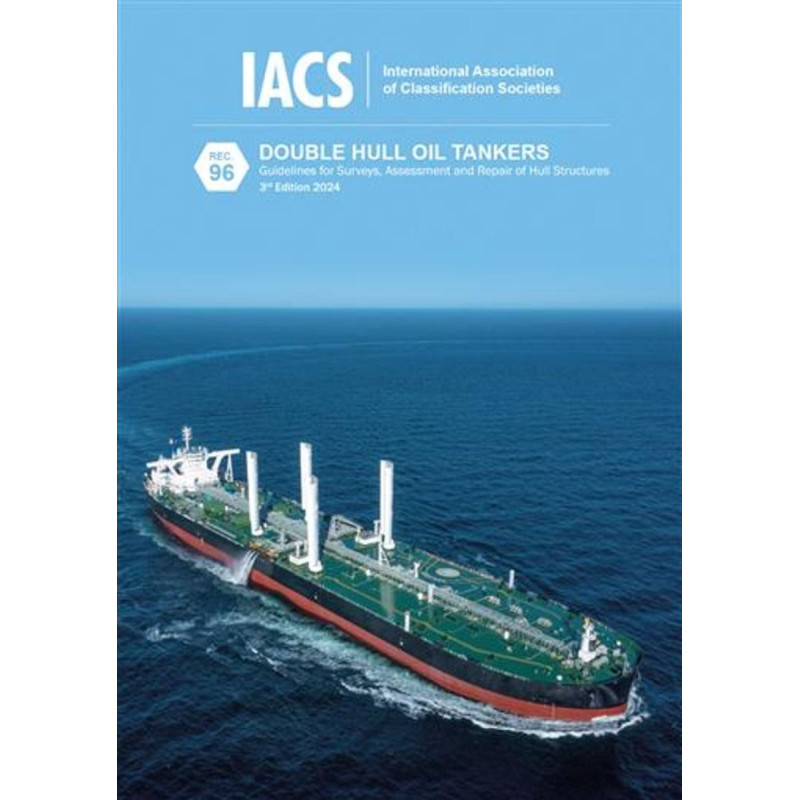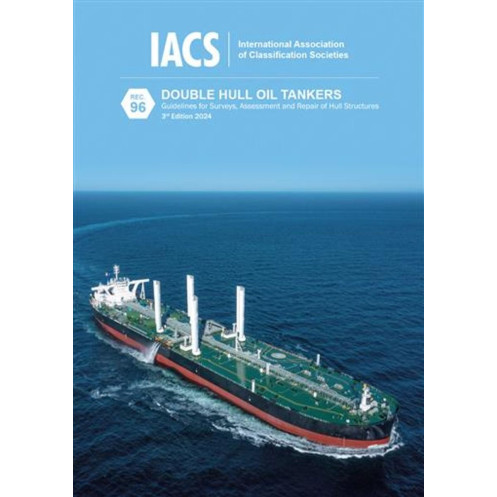



Essential guidelines for inspecting, assessing, and repairing double hull oil tanker structures. Packed with expert procedures, safety protocols, and repair methods to ensure compliance and longevity.
Data sheet
Specific References
Master the Art of Hull Integrity with Industry-Approved Guidelines
Double Hull Oil Tankers: Guidelines for Surveys, Assessment, and Repair of Hull Structures is the definitive manual for professionals tasked with maintaining the safety and performance of double hull oil tankers. This third edition, published in January 2024, builds on decades of maritime expertise to deliver a structured, practical approach to hull inspections, damage assessment, and repair strategies. With 144 pages of in-depth guidance, this resource is tailored for surveyors, classification societies, shipowners, and operators who demand precision and reliability in their maintenance protocols.
Developed by Maritime Experts for Real-World Challenges
This guide is grounded in the latest industry standards, including IACS Recommendation 96, ensuring alignment with global best practices. It provides a comprehensive overview of inspection procedures, from pre-survey preparations—such as safety protocols and access requirements—to detailed assessments of high-risk structural zones. The manual’s focus on double hull oil tankers, designed primarily for bulk oil transport, makes it an invaluable tool for addressing the unique challenges these vessels face, from corrosion to structural fatigue.
Visual Insights for Faster, More Accurate Assessments
One of the standout features of this publication is its extensive use of visual aids to illustrate common types of structural deterioration and damage. Each section includes examples of what to look for, potential causes, and recommended repair methods, enabling inspectors to make swift, informed decisions. This practical approach minimizes guesswork, reduces vessel downtime, and ensures repairs are both effective and compliant with industry regulations. Whether you’re conducting routine surveys or addressing complex structural issues, this guide provides the clarity and confidence needed to maintain vessel integrity.
Designed for Accessibility and Durability
Presented in a user-friendly format, this printed edition measures 300 mm in height and 220 mm in width, making it easy to reference on-site or in the office. Weighing just 1.1 kg, it’s portable yet robust, designed to withstand the demands of maritime environments. The third edition reflects the most up-to-date information available, ensuring professionals have access to the latest advancements in hull maintenance and repair techniques.
This essential guide spans 144 pages, offering a compact yet thorough resource for hull surveys and repairs. The printed edition features a durable format, measuring 300 mm in height and 220 mm in width, with a lightweight design of 1.1 kg for easy portability. Published in January 2024, this third edition is fully updated to reflect the latest industry standards and best practices, ensuring maritime professionals have access to current, reliable information.
The publisher behind this authoritative guide is a globally recognized leader in maritime industry standards, dedicated to advancing safety, compliance, and operational excellence. With a long-standing reputation for producing high-quality technical resources, the organization collaborates with classification societies, regulatory bodies, and industry experts to deliver publications that set the benchmark for maritime best practices. Their work supports professionals across the shipping sector, ensuring vessels operate at peak performance while adhering to international regulations.
The guidelines cover major structural zones where damage has been recorded, including examples of deterioration, possible causes, and recommended repair methods for each area.
While focused on IACS member procedures, the guidelines can also assist inspection schemes for other regulatory bodies, owners, and operators.
The manual includes preparation guidelines covering safety protocols, required access facilities, and pre-inspection preparations to ensure secure and effective surveys.
Repair methods are recommended based on documented examples of deterioration, damage analysis, and alignment with IACS Recommendation 96 for inspector judgment.
The manual weighs 1.1 kg, making it a practical reference for field use.
Yes, the 3rd edition, published in January 2024, incorporates the latest available information and industry best practices.
You might also like