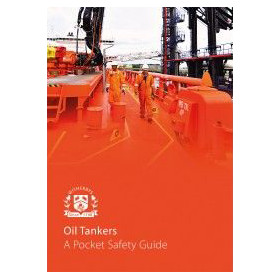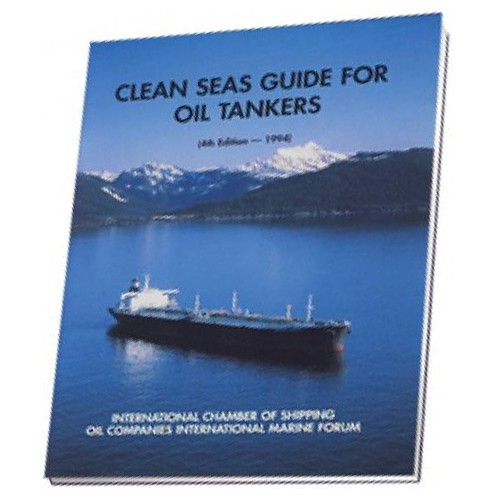



Optimize oil residue retention on oil tankers with this expert guide. It outlines key procedures to comply with MARPOL Annex I, helping crews prevent operational discharges and promote cleaner oceans.
Data sheet
Specific References
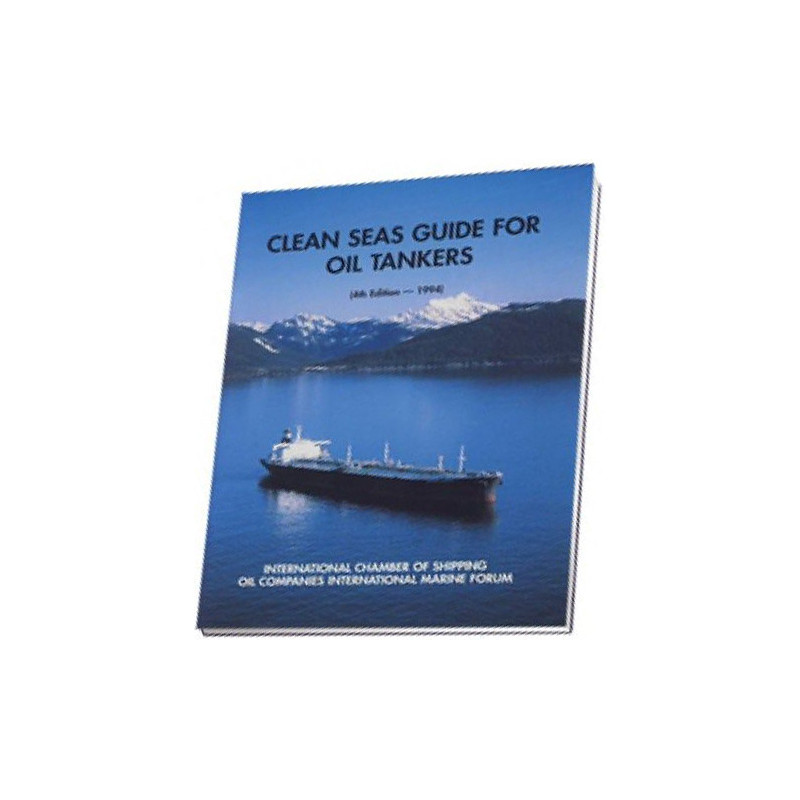
The *Clean Seas Guide for Oil Tankers* is a cornerstone reference for maritime professionals tasked with preventing operational oil discharges at sea. Developed as part of the industry-led Clean Seas initiative, this guide provides actionable procedures to retain oil residues onboard (R.O.B.), ensuring compliance with the stringent discharge limits set by MARPOL Annex I. Designed for practical use, it equips crews with the knowledge to implement best practices in oil pollution prevention, safeguarding marine ecosystems while meeting international regulatory requirements.
Published in collaboration with the Oil Companies International Marine Forum (OCIMF), this guide reflects the collective expertise of the maritime sector. It bridges the gap between regulatory mandates and real-world operations, offering clear, step-by-step techniques for managing oil residues. By adhering to these guidelines, tanker operators can minimize environmental risks, avoid costly penalties, and demonstrate their commitment to sustainable shipping practices. The guide’s recommendations are aligned with the latest industry standards, making it an indispensable tool for maintaining operational integrity.
From cargo handling to sludge management, the *Clean Seas Guide for Oil Tankers* addresses the full spectrum of oil retention challenges. It details methods for segregating oil residues, optimizing tank cleaning procedures, and utilizing onboard equipment effectively. The guide also emphasizes the importance of record-keeping and crew training, ensuring that all personnel are equipped to handle oil residues in compliance with MARPOL regulations. Its user-friendly format and technical precision make it a trusted resource for navigating officers, engineers, and environmental compliance officers alike.
As environmental regulations grow increasingly stringent, the need for reliable, up-to-date guidance has never been greater. This guide serves as a proactive tool for tanker operators seeking to align their operations with global environmental goals. By integrating its recommendations into daily routines, vessels can achieve higher standards of environmental stewardship while maintaining efficiency. Whether for training purposes or operational reference, the *Clean Seas Guide for Oil Tankers* remains a vital asset for the maritime industry.
Transform Your Tanker Operations with the Definitive Clean Seas Guide
The *Clean Seas Guide for Oil Tankers* is the industry’s most trusted resource for preventing operational oil discharges, a critical concern for tanker operators worldwide. Published in 1994 as part of the Clean Seas initiative, this guide was developed in collaboration with the Oil Companies International Marine Forum (OCIMF) to provide a comprehensive framework for retaining oil residues onboard (R.O.B.). It directly supports compliance with MARPOL Annex I, which has been enforcing strict oil discharge limits since 1983. By offering clear, actionable procedures, this guide empowers crews to minimize environmental impact while avoiding costly violations and reputational damage.
Engineered for Real-World Maritime Challenges
This guide is not just a theoretical manual—it’s a practical toolkit designed for the unique demands of oil tanker operations. It covers every aspect of oil residue management, from cargo handling and tank cleaning to sludge disposal and equipment maintenance. The procedures outlined are tailored to help crews navigate the complexities of MARPOL compliance, ensuring that all operational discharges remain within legal limits. With a focus on efficiency and safety, the guide also addresses the logistical challenges of retaining oil residues, such as optimizing storage capacity and minimizing downtime during cleaning processes.
Endorsed by Industry Leaders for Unmatched Reliability
As a joint publication of the International Chamber of Shipping (ICS) and OCIMF, the *Clean Seas Guide for Oil Tankers* reflects the highest standards of maritime expertise. It is widely recognized as an essential reference for tanker operators, environmental compliance officers, and maritime training programs. The guide’s recommendations are grounded in decades of industry experience, making it a reliable resource for both seasoned professionals and new crew members. Its paperback format ensures durability and ease of use, whether onboard a vessel or in a training environment.
Future-Proof Your Compliance Strategy
While this 1994 edition remains a foundational text, its principles continue to underpin modern environmental compliance strategies. The guide’s emphasis on proactive oil residue management aligns with today’s growing focus on sustainability and corporate responsibility. By adopting its best practices, tanker operators can not only meet current regulatory requirements but also prepare for future environmental challenges. Whether used for training, operational reference, or audit preparation, the *Clean Seas Guide for Oil Tankers* is an investment in both environmental stewardship and operational excellence.
This paperback edition of the *Clean Seas Guide for Oil Tankers* is designed for practical use in demanding maritime environments. Weighing 1.5 kg, it offers a balance of portability and durability, making it suitable for both onboard reference and training purposes. Published in 1994, this guide remains a relevant and authoritative resource for oil tanker operations, with content that aligns with MARPOL Annex I regulations. Its English-language format ensures accessibility for international crews, while its concise layout facilitates quick access to critical procedures.
A globally recognized authority in maritime standards, this organization has been at the forefront of developing best practices for the shipping industry. With a focus on safety, environmental protection, and operational efficiency, it collaborates with leading industry bodies to create resources that set the benchmark for compliance and excellence. Its publications are trusted by maritime professionals worldwide, serving as essential tools for training, operations, and regulatory adherence.
The guide provides detailed procedures and techniques for retaining oil residues on board to help crew members comply with MARPOL Annex I discharge limitations and reduce operational oil discharges at sea.
The guide was published in collaboration with the Oil Companies International Marine Forum (OCIMF) as part of the Clean Seas program introduced by the maritime industry.
While the guide outlines procedures aligned with MARPOL 73/78 Annex I (effective October 1983), it is no longer updated and has been withdrawn from the publisher’s catalog.
The guide is written entirely in English and is designed for international maritime personnel.
The paperback edition weighs approximately 1.5 kg.
Yes, it describes specific techniques and equipment used to retain oil residues on board oil tankers.
You might also like