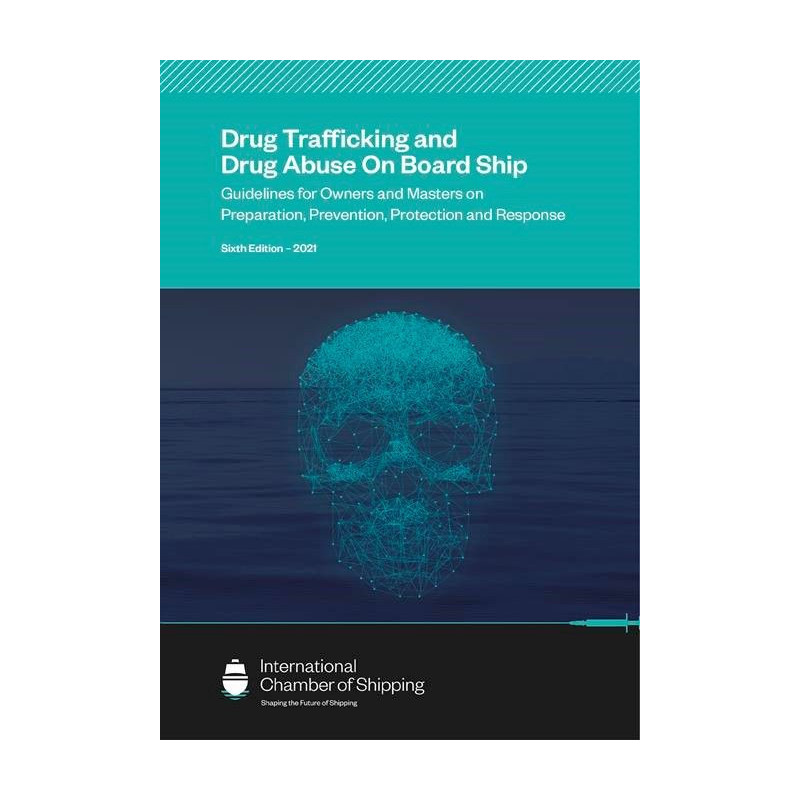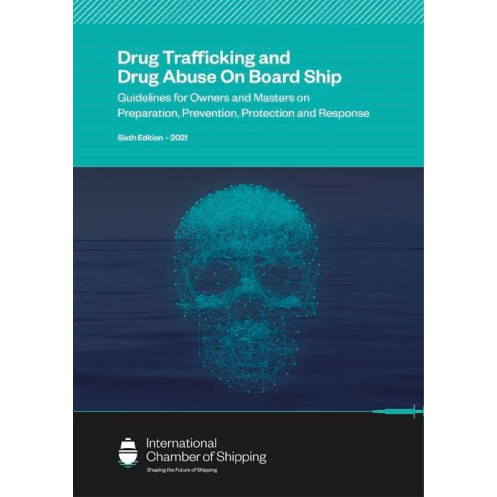



A comprehensive guide for shipowners and crews to prevent, detect, and respond to drug trafficking and abuse on board. Stay ahead with industry-best practices and updated global trends.
Data sheet
Specific References
Navigating the complexities of drug trafficking and substance abuse at sea demands expert knowledge and proactive strategies. This comprehensive guide equips shipowners, captains, and maritime officers with the tools to safeguard vessels, crews, and operations against the growing threats of illicit drugs. Recognized as the industry benchmark, it delivers actionable insights to mitigate risks, enhance security, and ensure compliance with international maritime regulations.
The maritime sector remains a prime target for drug traffickers due to its vast global reach and logistical challenges. This publication analyzes high-risk trafficking routes, frequently targeted ports, and recent trends in drug seizures, providing a clear understanding of the evolving threats. It highlights critical vulnerabilities in shipping operations, from cargo handling to crew management, and offers data-driven strategies to fortify defenses against infiltration and abuse.
Effective prevention starts with robust risk assessment and tailored security measures. This guide outlines best practices for implementing layered security protocols, including access control, cargo inspections, and surveillance systems. It details step-by-step procedures for responding to suspicious activities—whether at sea, in port, or involving passengers or crew—while aligning with industry standards and legal requirements. Practical checklists and flowcharts simplify complex scenarios, ensuring swift and decisive action.
Substance abuse among crew members poses serious safety and operational risks. This resource provides detailed guidance on recognizing signs of drug or alcohol use, from behavioral indicators to physical symptoms. It covers intervention strategies, support frameworks, and legal considerations for handling incidents, fostering a safer and more productive work environment. Emerging drug trends, including synthetic substances, are examined to help maritime professionals stay ahead of evolving threats.
The digitalization of maritime operations and the lingering impacts of the COVID-19 pandemic have introduced new avenues for drug trafficking. This edition addresses cybersecurity risks, such as data breaches and digital smuggling tactics, while offering solutions to adapt security measures in a post-pandemic landscape. It emphasizes the importance of integrating technology with traditional security practices to create a resilient defense strategy.
Knowledge is the first line of defense. This guide underscores the critical role of training and education in equipping crews with the skills to detect, deter, and respond to drug-related threats. It includes modules for onboard drills, awareness campaigns, and compliance with international maritime laws. By fostering a culture of vigilance and accountability, maritime organizations can significantly reduce their exposure to risks while maintaining operational efficiency.
Updated by leading experts, this publication reflects the latest developments in drug trafficking patterns, regulatory changes, and countermeasures. Its structured approach, combining theoretical insights with practical applications, makes it an indispensable tool for maritime professionals worldwide. Whether for risk assessment, incident response, or crew training, this guide provides the clarity and confidence needed to navigate the challenges of drug trafficking and abuse in the shipping industry.
Combat Drug Trafficking and Substance Abuse with Industry-Leading Expertise
Drug trafficking and substance abuse pose significant threats to maritime safety, operational integrity, and crew well-being. This authoritative guide, tailored for shipowners, captains, and maritime officers, delivers a comprehensive framework to identify, prevent, and respond to these challenges. Backed by the latest industry insights, it bridges the gap between regulatory compliance and real-world application, ensuring vessels remain secure and operations uninterrupted.
Data-Driven Insights for Proactive Risk Management
With over 250 pages of expert analysis, this guide dissects global drug trafficking routes, highlighting high-risk ports and recent seizure trends to inform targeted security strategies. It provides actionable intelligence on maritime vulnerabilities, from cargo smuggling to crew exploitation, enabling organizations to prioritize resources effectively. The inclusion of case studies and statistical data ensures decisions are grounded in evidence, reducing exposure to financial, legal, and reputational risks.
Practical Tools for Onboard and Port Security
Security protocols must adapt to the dynamic nature of maritime operations. This resource offers step-by-step procedures for implementing robust measures, including access control, cargo screening, and surveillance techniques. It details protocols for responding to suspicious activities—whether involving crew, passengers, or external actors—while ensuring alignment with international maritime laws. Flowcharts and checklists simplify complex scenarios, empowering teams to act swiftly and decisively.
Addressing Substance Abuse with Confidence
Substance abuse among crew members compromises safety and productivity. This guide equips maritime professionals with the knowledge to identify signs of drug or alcohol use, from behavioral changes to physical symptoms. It outlines intervention strategies, support frameworks, and legal considerations, fostering a culture of accountability and care. Emerging trends, such as the rise of synthetic drugs, are explored to ensure crews remain vigilant against evolving threats.
Adapting to Modern Challenges: Cybersecurity and Pandemic Impacts
The maritime industry faces unprecedented challenges, from cyber threats to the lingering effects of the COVID-19 pandemic. This edition addresses these issues head-on, offering strategies to mitigate digital vulnerabilities and adapt security measures in a post-pandemic world. By integrating technology with traditional practices, organizations can build resilient defenses against both physical and cyber-enabled drug trafficking.
Built for Durability and Accessibility
Designed for the demands of maritime environments, this 1.3 kg paperback edition features a sturdy binding and a convenient A4 format (297 mm x 210 mm). Its clear, concise language ensures accessibility for global teams, while its 2025-2026 edition guarantees the most up-to-date information. Whether used for training, reference, or incident response, this guide is a reliable companion for maritime professionals navigating the complexities of drug-related threats.
This 2025-2026 edition of *Drug Trafficking and Drug Abuse on Board Ship* is a 250-page paperback guide, published in April 2025. Measuring 297 mm in height and 210 mm in width, it weighs 1.3 kg, making it a durable and portable resource for maritime professionals. Written entirely in English, this publication is designed to meet the needs of global shipping operations, offering clear, actionable guidance in a standardized format.
The organization behind this publication is a globally recognized authority in maritime industry standards, providing expert guidance to shipping companies, regulatory bodies, and maritime professionals worldwide. With a focus on safety, security, and operational excellence, their resources are trusted by industry leaders to address emerging challenges and ensure compliance with international regulations.
The guide highlights vulnerabilities such as inadequate security protocols, lack of crew training, unmonitored access points, and gaps in port security. It also addresses how traffickers target specific routes and ports based on historical seizure data.
Yes, it includes a dedicated section on cybersecurity measures to prevent digital exploitation by traffickers, such as secure communication protocols and monitoring systems for suspicious online activity.
The publication outlines behavioral, physical, and performance-related indicators, including erratic behavior, unexplained absences, slurred speech, and declining work performance, along with recommended actions for intervention.
Yes, it provides step-by-step procedures for assessing and responding to suspicious activities, including communication protocols with authorities, evidence preservation, and coordination with port security.
It includes updated information on new drug types, their characteristics, and identification methods, such as packaging, appearance, and common concealment techniques used by traffickers.
The guide emphasizes a layered approach, combining preventive measures like crew training, security audits, and real-time monitoring, along with response strategies for incidents involving drugs or trafficking.
Yes, it covers procedures and best practices for both onboard security and port operations, ensuring coordinated efforts between ship and shore-based teams.
You might also like