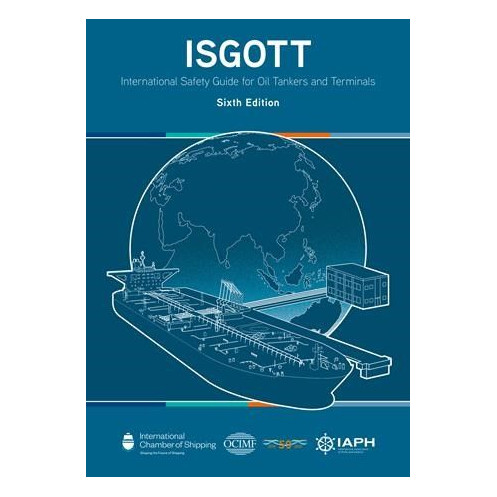



The essential safety guide for oil tankers and terminals, updated for 2020. Covers gas detection, fire protection, human factors, and more to ensure secure operations and compliance.
Data sheet
Specific References
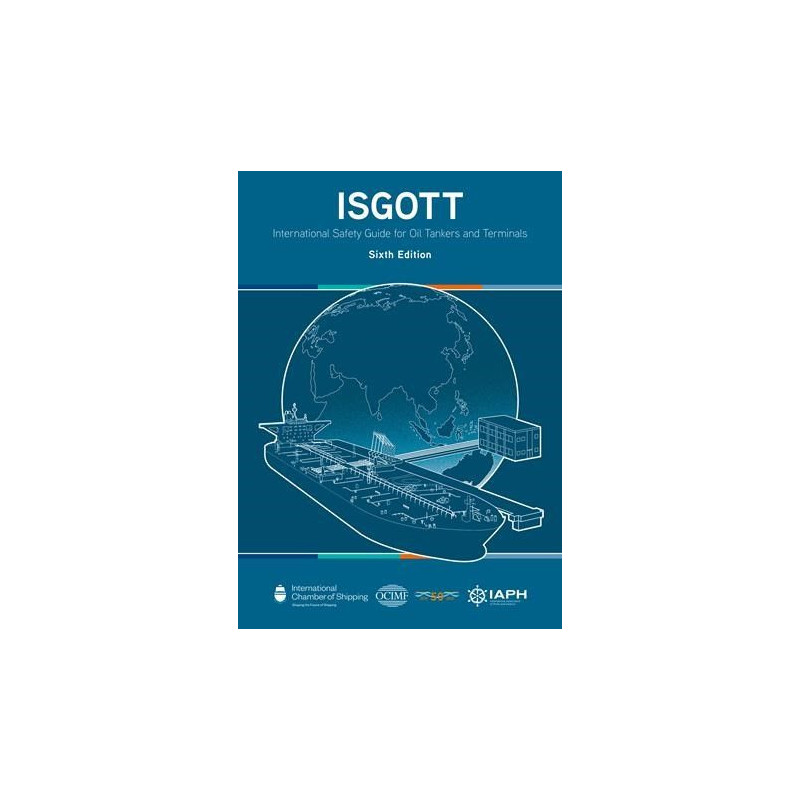
The International Safety Guide for Oil Tankers & Terminals (ISGOTT) stands as the gold standard for ensuring safe and efficient operations in the oil tanker and terminal industry. Since its first publication in 1978, this guide has evolved into an indispensable resource, trusted by maritime professionals worldwide. The sixth edition, released in 2020, reflects the latest advancements in safety protocols, environmental protection, and operational best practices, making it a must-have for anyone involved in the transportation and handling of oil and petroleum products.
This guide provides an in-depth exploration of the key aspects of safety management in oil tanker and terminal operations. It addresses a wide range of topics, including gas detection, the toxicity of petroleum products such as benzene and hydrogen sulfide, static electricity, and fire protection. The guide also delves into modern challenges like the use of mobile technologies, entry into enclosed spaces, human factors, and safety management systems (SMS). With a focus on real-world applicability, it ensures that professionals are equipped to handle the complexities of their roles while maintaining the highest safety standards.
The International Safety Guide for Oil Tankers & Terminals (ISGOTT) is meticulously structured to cater to the needs of maritime professionals. It is divided into four key sections: general information, tanker-specific information, terminal-specific information, and the critical interface between ships and terminals. This organization allows for easy navigation and quick access to the most relevant information, whether you are a ship operator, terminal manager, or safety officer. The guide’s clear and concise presentation ensures that even the most complex safety procedures are easily understood and implemented.
The 2020 edition of ISGOTT incorporates the latest industry standards and regulatory requirements, ensuring that users are always up to date with the most current practices. It includes new sections on bunkering operations, including liquefied natural gas (LNG), cargo inspections, maritime security, and ship/terminal checklist procedures. This edition also emphasizes the importance of human factors in safety management, recognizing that the actions and decisions of individuals play a critical role in preventing accidents and ensuring operational efficiency.
In an industry where safety and compliance are non-negotiable, the International Safety Guide for Oil Tankers & Terminals (ISGOTT) serves as a reliable tool for risk management and regulatory compliance. It provides practical guidance on how to mitigate risks, prevent accidents, and ensure the safety of personnel, assets, and the environment. Whether you are conducting a safety audit, preparing for an inspection, or training your crew, this guide offers the insights and checklists needed to maintain the highest levels of safety and operational excellence.
Elevate Your Safety Standards with the Definitive Guide for Oil Tankers and Terminals
The International Safety Guide for Oil Tankers & Terminals (ISGOTT) is the most authoritative resource available for professionals in the oil and maritime industries. This sixth edition, published in June 2020, is the result of collaboration among leading industry experts, including the Oil Companies International Marine Forum (OCIMF) and the International Association of Ports and Harbors (IAPH). With 468 pages of comprehensive content, this hardcover guide is designed to provide actionable insights and best practices for ensuring safety, security, and environmental protection in every aspect of oil tanker and terminal operations.
Unmatched Depth and Breadth of Content
This guide covers a wide array of critical topics, from gas detection and the management of toxic substances like benzene and hydrogen sulfide to the prevention of static electricity hazards and fire protection measures. It also addresses modern challenges such as the safe use of mobile technologies, procedures for entering enclosed spaces, and the integration of human factors into safety management systems (SMS). The inclusion of updated sections on bunkering operations, including LNG, cargo inspections, and maritime security, ensures that professionals have access to the most current and relevant information.
Structured for Practical Use
The International Safety Guide for Oil Tankers & Terminals (ISGOTT) is organized into four distinct sections: general information, tanker-specific information, terminal-specific information, and the ship/terminal interface. This logical structure allows users to quickly locate the information they need, whether they are ship operators, terminal managers, or safety officers. The guide’s clear and concise presentation ensures that complex safety procedures are easily understood and applied in real-world scenarios.
Built for Durability and Accessibility
Presented in a durable hardcover format, this guide is built to withstand the rigors of daily use in demanding maritime environments. Measuring 303 mm in height and 215 mm in width, it is designed for easy handling and storage. Weighing 1.5 kg, it is lightweight enough to carry on board or in the field, yet robust enough to serve as a long-term reference. The guide’s physical dimensions and high-quality binding ensure that it remains a reliable resource for years to come.
The International Safety Guide for Oil Tankers & Terminals (ISGOTT) is a hardcover publication featuring 468 pages of in-depth content. Released in June 2020, this sixth edition is written entirely in English and measures 303 mm in height and 215 mm in width. It weighs 1.5 kg, with a shipping weight of 1.7 kg, making it a practical and durable resource for professionals in the field.
With a legacy of excellence in maritime safety and operational guidance, this publication is developed by a consortium of industry-leading organizations. It reflects decades of expertise and collaboration among global maritime authorities, ensuring that every edition meets the highest standards of accuracy, relevance, and practicality for professionals in the oil and maritime sectors.
The 2020 edition includes expanded guidance on health, safety, and environmental protection, such as updated protocols for gas detection, benzene and hydrogen sulfide toxicity, static electricity risks, and fire protection. It also covers new topics like mobile technology use, LNG bunkering operations, human factors, and enhanced safety management systems (SMS).
Yes, the guide includes specific sections on LNG bunkering operations, addressing safety protocols and best practices for handling liquefied natural gas.
The physical copy measures 303 mm in height and 215 mm in width, with a shipping weight of 1.7 kg and a net weight of 1.5 kg.
Yes, it provides detailed safety procedures and checklists for entering enclosed spaces, including risk assessment and mitigation strategies.
Yes, the guide includes comprehensive checklists for ship/terminal interface operations to ensure compliance with safety and operational standards.
The human factors section addresses crew training, communication protocols, fatigue management, and decision-making processes to enhance operational safety.
Yes, the guide is structured into four sections, covering general information, oil tanker-specific details, terminal-specific details, and ship/terminal interface operations.
You might also like