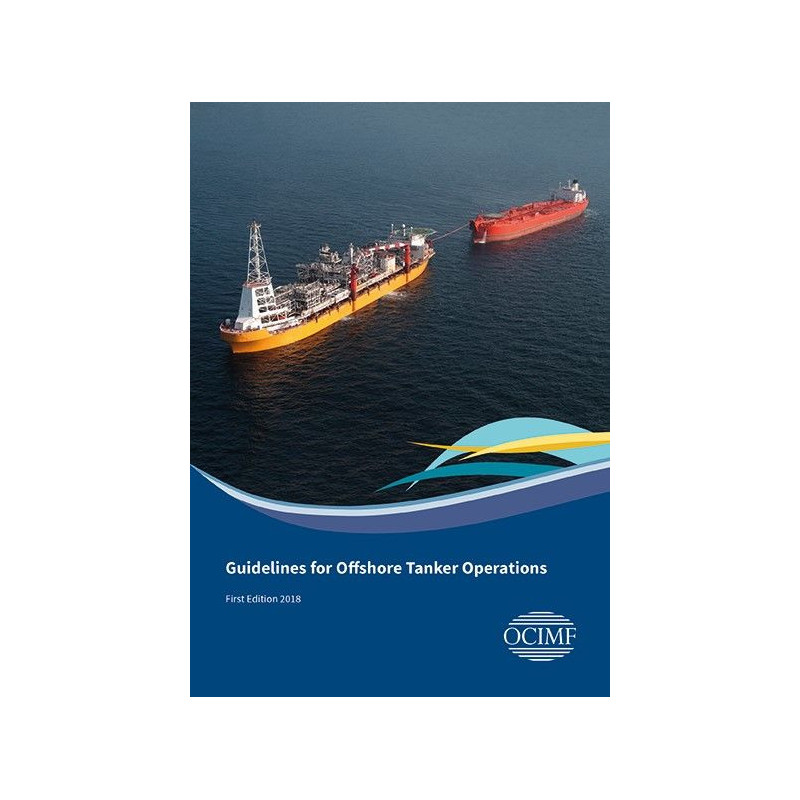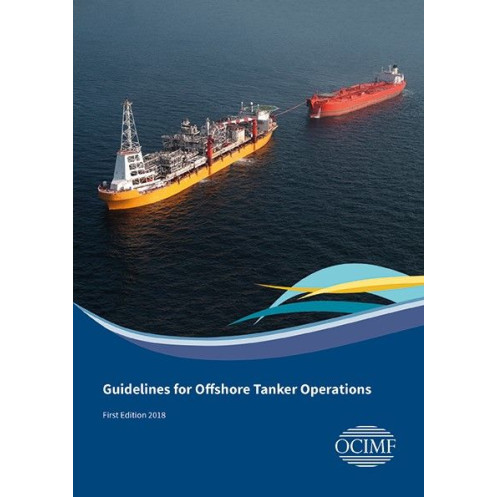



Ensure safe offshore tanker operations with this comprehensive guide covering F(P)SO terminals, SPM buoys, and dynamic positioning. Essential for crews, terminal operators, and regulatory authorities.
Data sheet
Specific References
Master the complexities of offshore tanker operations with this definitive guide, designed to enhance safety and efficiency at the critical interface between offshore terminals and tankers. This essential publication delivers expert insights into the procedures, equipment, and best practices required for secure mooring and cargo transfer operations, tailored for both conventional and dynamic positioning (DP) tankers.
Developed by industry leaders, this guide addresses the unique challenges of offshore operations, including harsh weather conditions and tandem mooring scenarios. It consolidates and updates key recommendations from previous industry standards, providing a single, authoritative reference for professionals navigating the demanding conditions of F(P)SO terminals and single point moorings (SPM).
Whether you're a tanker operator, terminal personnel, project development team, or regulatory authority, this book equips you with the knowledge to implement robust safety protocols. It covers everything from general principles to specific equipment recommendations, ensuring compliance with the latest industry standards and operational excellence in offshore environments.
As the go-to resource for offshore tanker operations, this publication replaces multiple earlier guidelines, streamlining access to critical information. Its comprehensive approach makes it an invaluable tool for anyone involved in the planning, execution, or oversight of offshore loading and unloading activities, fostering safer and more efficient operations across the industry.
Elevate offshore tanker safety with the industry’s most trusted operational guidelines
Discover the ultimate reference for offshore tanker operations, meticulously crafted to address the unique challenges of loading and unloading at F(P)SO terminals and single point moorings (SPM). This 250-page hardcover guide consolidates decades of industry expertise into a single, authoritative resource, ensuring compliance with the latest safety standards and operational best practices. Designed for professionals who demand precision and reliability, it bridges the gap between conventional and dynamic positioning (DP) tankers, offering actionable insights for every phase of offshore operations.
Engineered for real-world offshore challenges
Offshore tanker operations demand unparalleled attention to detail, especially in harsh weather zones where safety risks are amplified. This guide provides a comprehensive framework for managing these challenges, from tandem mooring procedures to equipment recommendations for bow mooring at SPMs. It replaces and updates multiple legacy publications, including *Offshore Loading Safety Guidelines with Special Relevance to Harsh Weather Zones* and *Tandem Mooring and Offloading Guidelines for Conventional Tankers at F(P)SO Facilities*, ensuring you have the most current and relevant information at your fingertips.
Tailored for marine and offshore industry professionals
This publication is an indispensable tool for technical operators, terminal personnel, and project development teams working in offshore environments. It delivers clear, practical guidance on the principles of safe mooring, cargo transfer, and operational procedures, making it a must-have for both shipboard and shore-based teams. With its focus on real-world applicability, it empowers professionals to implement robust safety protocols and optimize operational efficiency in even the most demanding conditions.
This hardcover guide spans 250 pages of expertly curated content, offering a comprehensive overview of offshore tanker operations. Published in September 2018, it features a durable hardback binding with dimensions of 305 mm in height and 215 mm in width, ensuring easy handling and long-term durability. Weighing 1.5 kg, this first-edition resource is written entirely in English and authored by the Oil Companies International Marine Forum (OCIMF), a leading authority in marine safety and operational standards.
With a legacy of shaping global maritime standards, this publisher is renowned for delivering authoritative, industry-leading resources. Their publications are trusted by professionals worldwide to provide actionable insights, ensuring safety, compliance, and operational excellence in the marine and offshore sectors. Each guide is meticulously researched and updated to reflect the latest advancements and regulatory requirements, making them indispensable tools for industry practitioners.
The guidelines focus on F(P)SO terminals and SPM buoys, providing detailed procedures for safe mooring and cargo transfer operations.
Yes, the guidelines cover both conventional and dynamic positioning (DP) tankers for offshore operations.
It updates and replaces earlier publications such as 'Offshore Loading Safety Guidelines with Special Relevance to Harsh Weather Zones' and 'Tandem Mooring and Offloading Guidelines for Conventional Tankers at F(P)SO Facilities.'
The publication is intended for tanker technical operators, terminal operators, onboard and shore-based personnel, offshore project development teams, and regulatory authorities.
The hardback edition measures 305 mm in height and 215 mm in width, with a weight of 1.5 kg.
Yes, it includes safety guidelines relevant to operations in harsh weather zones, ensuring safe offshore tanker operations.
You might also like