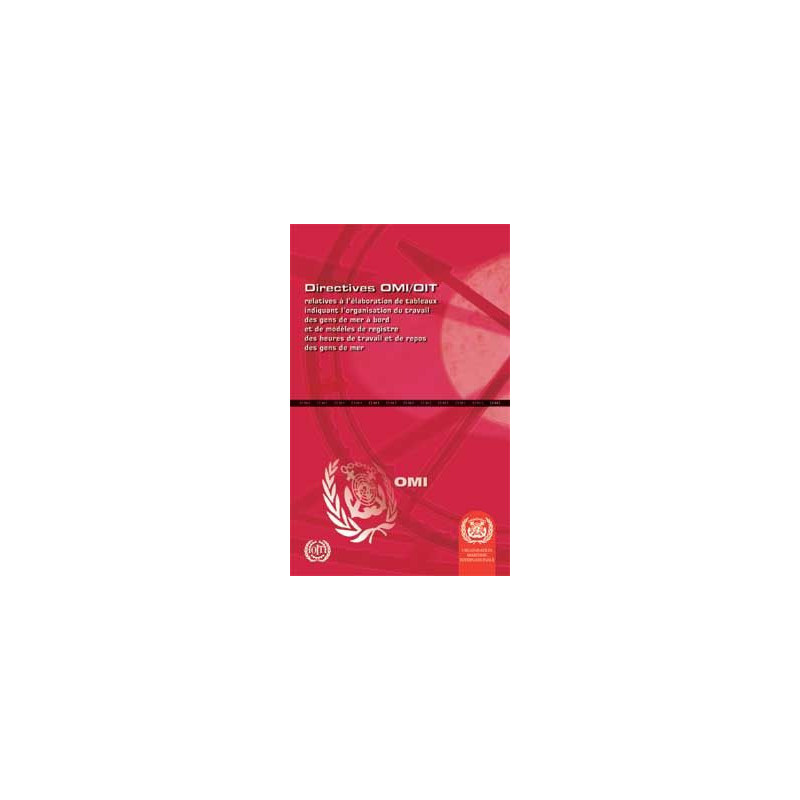





This digital publication provides standardized work arrangements and daily record formats for seafarers' work and rest hours. Essential for compliance with ILO Convention No. 180 and STCW regulations.
Data sheet
Specific References
Streamline Seafarer Work Compliance with the IMO 973Fe Digital Guide
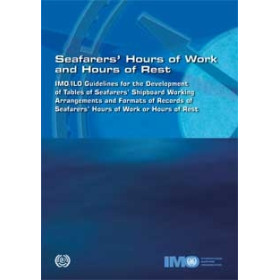
Ensure full compliance with international maritime labor regulations using the IMO 973Fe – Hours of Work and Rest for Seafarers. This digital publication delivers the French-language version of the joint IMO/ILO guidelines, providing maritime professionals with the tools needed to meet obligations under ILO Convention No. 180 and the STCW Convention. Designed for shipowners, maritime administrations, and seafarers, it offers a structured approach to managing work hours and rest periods, reducing the risk of non-compliance while enhancing crew welfare.
Standardized Work Arrangements for Operational Efficiency
The IMO 973Fe includes a standardized table of work arrangements, enabling maritime operators to organize and track seafarer schedules with precision. This feature simplifies the process of aligning crew assignments with regulatory requirements, ensuring that work hours and rest periods are documented accurately. The publication also provides a daily record-keeping format, making it easier to maintain transparent and auditable compliance records.
Instant Digital Access for Modern Maritime Workflows
Available as a secure digital download, the IMO 973Fe can be accessed instantly using the free IMO e-reader or SeaReader platform. This digital format eliminates the need for physical storage, allowing maritime professionals to retrieve and update compliance guidelines on demand. Whether onboard a vessel or in a shore-based office, users benefit from seamless access to critical regulatory information, ensuring that operations remain aligned with international standards.
Trusted Resource for Maritime Labor Compliance
Developed by a joint working group of the ILO and IMO, the IMO 973Fe reflects the expertise of leading maritime authorities. It serves as a reliable reference for monitoring compliance, promoting fair labor practices, and maintaining safe working conditions in the maritime industry. By integrating this publication into their operations, maritime professionals can enhance efficiency, reduce administrative burdens, and ensure adherence to global labor standards.
This digital publication is available in a secure, locked format compatible with the free IMO e-reader or SeaReader platform. It contains 24 pages of guidelines, including standardized work arrangement tables and daily record-keeping formats. Published in January 1999, the document is presented in French and measures 250 mm in height and 210 mm in width, designed for easy digital navigation and compliance tracking.
With a legacy of shaping global maritime standards, this organization is a leading authority in international shipping regulations. Its publications provide essential guidance for compliance, safety, and operational efficiency, serving as trusted resources for maritime professionals worldwide. By delivering expert-driven content, it supports the industry in upholding the highest standards of labor practices and regulatory adherence.
The standardized work arrangement table helps administrations, shipowners, and seafarers comply with obligations under ILO Convention No. 180 and the STCW Convention by providing a clear structure for organizing work and rest hours on board.
No, this digital publication is in a locked format and requires the free IMO e-reader or SeaReader for access.
The publication includes a standard format for daily records of seafarers' work and rest hours, along with guidelines for monitoring compliance to help ensure accurate tracking.
The printed version measures 250 mm in height and 210 mm in width.
The digital version is locked and cannot be printed or shared. It is designed for individual use with the specified e-reader software.
The guidelines were developed by a joint working group of the International Labour Organization (ILO) and the International Maritime Organization (IMO).
You might also like