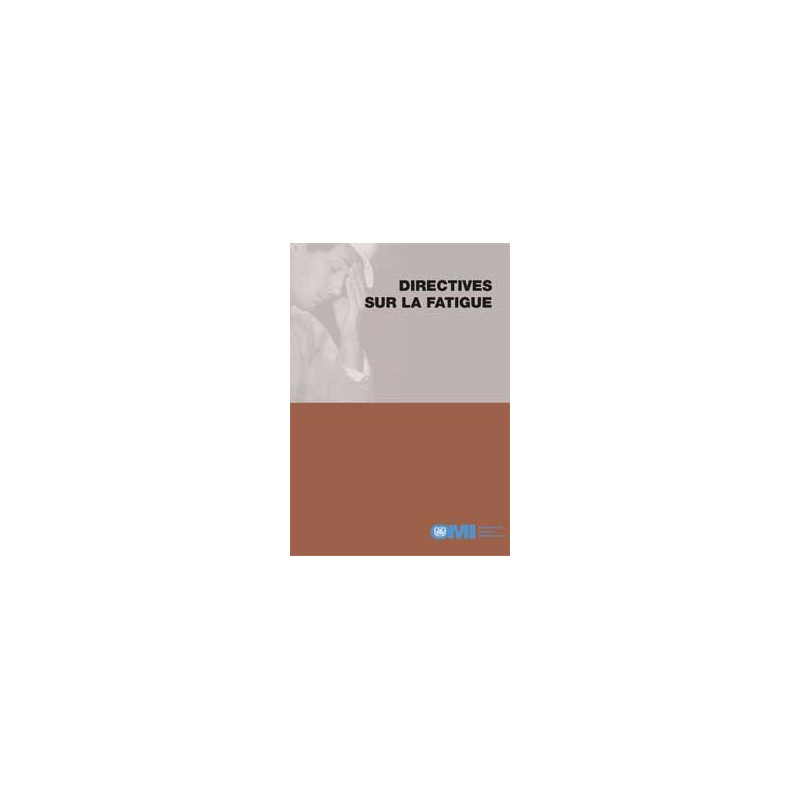





Combat maritime fatigue with these official 2019 guidelines, offering expert strategies, sleep tracking tools, and preventive solutions for seafarers, ship designers, and maritime authorities.
Data sheet
Specific References
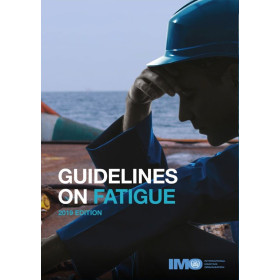
This digital publication provides the official IMO Guidelines on Fatigue, a critical resource for addressing one of the most pressing safety concerns in the maritime industry. Designed for professionals across the sector, these guidelines offer a structured approach to understanding, preventing, and mitigating fatigue among seafarers. With a focus on real-world applicability, this document is indispensable for shipowners, crew members, vessel designers, and maritime authorities seeking to enhance operational safety and compliance.
The guidelines are organized into self-contained modules, each tackling fatigue from a distinct perspective. Key areas include:
The publication also includes tools for monitoring sleep and fatigue, such as sample tracking logs and incident reporting templates, making it a hands-on resource for daily operations.
Fatigue is a leading contributor to maritime incidents, with studies linking it to reduced alertness, impaired decision-making, and increased accident risks. These guidelines bridge the gap between research and practice, offering evidence-based solutions tailored to the unique challenges of life at sea. By adopting the recommendations outlined in this document, maritime stakeholders can:
Whether you’re a ship operator refining safety protocols, a seafarer seeking to manage your own fatigue, or a designer optimizing vessel ergonomics, these guidelines provide the knowledge and tools needed to make informed decisions.
Available as a secure PDF accessible via the free IMO Bookshelf reader, this digital edition offers unparalleled convenience for professionals on the go. Key features include:
Note that this digital version is optimized for online use only and is not compatible with Mac, iOS, or Android devices. For those who prefer physical copies, a print edition is also available.
Transform Maritime Safety with the IMO Fatigue Guidelines – Digital Edition
Fatigue is an invisible threat that compromises safety, efficiency, and compliance in the maritime industry. The IMO Fatigue Guidelines – Digital Edition equips professionals with the tools to combat this risk head-on. This official IMO publication delivers a modular, actionable framework for understanding fatigue’s causes, effects, and mitigation strategies, tailored to the unique demands of life at sea. Whether you’re a shipowner, crew member, or maritime authority, these guidelines provide the knowledge to implement effective fatigue management systems and foster a culture of safety.
Designed for Real-World Application
Unlike generic fatigue resources, these guidelines are specifically crafted for the maritime sector, addressing challenges such as irregular work schedules, long voyages, and high-pressure environments. The document is divided into five key modules, each targeting a critical aspect of fatigue management:Organizational strategies: Policies and procedures for companies to integrate fatigue risk management into their operations.Seafarer-focused solutions: Practical advice for crew members on sleep hygiene, alertness, and self-monitoring.Training and awareness: Curriculum recommendations for maritime education programs to instill fatigue awareness from the ground up.Vessel design: Ergonomic considerations for ship layouts, watch systems, and rest areas to minimize fatigue triggers.Regulatory guidance: Compliance frameworks for flag and port state authorities to enforce fatigue-related standards.With 90 pages of expert insights, including tools like sleep monitoring logs and incident reporting templates, this publication is a hands-on resource for improving safety and performance.
Optimized for Digital Accessibility
This digital edition offers seamless access to the guidelines via the free IMO Bookshelf reader, ensuring critical information is always within reach. Key features include:Secure PDF format: View the guidelines online with perpetual access to the 2019 edition.Searchable content: Quickly navigate to specific sections using bookmarks and indexing.Offline availability: Access cached content without an internet connection, ideal for use at sea.Compatibility: Designed for Windows-based systems, with no support for Mac, iOS, or Android devices.Note that this version is not downloadable and must be accessed through the IMO Bookshelf platform. For those who prefer physical copies, a print edition is also available.
This digital publication is the French-language edition of the IMO’s Guidelines on Fatigue, published in December 2019. The secure PDF format ensures compliance with IMO’s digital distribution standards, offering 90 pages of indexed, bookmarked content accessible via the free IMO Bookshelf reader. The file is optimized for online use only, with offline access available through browser caching. Dimensions for the digital equivalent of the print edition are 11.70 x 8.25 x 0.50 inches, and the file size is approximately 0.35 lb. Compatible with Windows-based systems, this edition is not supported on Mac, iOS, or Android devices.
With a legacy of shaping global maritime standards, this publisher is a leading authority in providing official guidelines and resources for the shipping industry. Their publications are trusted by professionals worldwide for their accuracy, relevance, and alignment with international regulations, ensuring that maritime operations remain safe, compliant, and efficient.
The digital version requires the free IMO Bookshelf software to be viewed. It is designed to work with this specific reader for optimal compatibility.
No, the digital version is not downloadable. It is accessible online only, but offline viewing is possible through the browser cache.
The digital version is compatible with most systems except Macs, iPhones, iOS, and Android phones. It requires an internet connection for initial access.
The digital version contains 90 pages, fully indexed and bookmarked for easy navigation.
Yes, the guidelines include examples of tools for monitoring sleep and fatigue, along with information on reporting fatigue-related events.
The guidelines are intended for seafarers, shipowners, ship designers, maritime administrations, and other stakeholders in maritime safety.
Yes, perpetual access is provided for the duration of the edition, ensuring long-term availability of the content.
You might also like