



The go-to reference for standardized maritime signaling. Ensures safety and clarity in communication, bridges language gaps, and works with all transmission systems for vessels and authorities.
Data sheet
Specific References
Enhance Maritime Communication with the IMO International Code of Signals
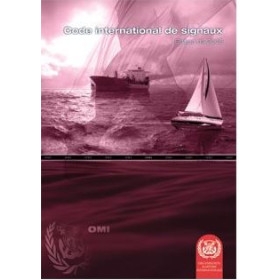
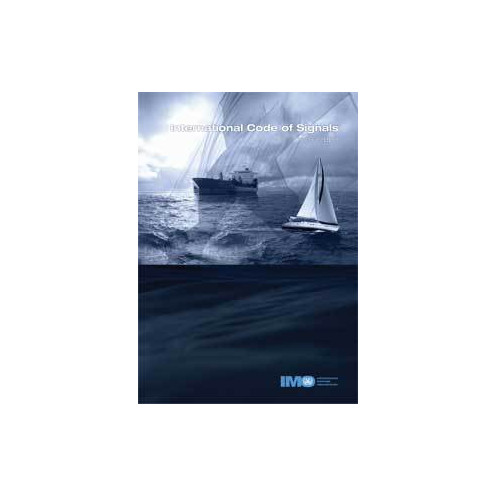
The *IMO International Code of Signals* is the gold standard for maritime communication, providing a structured and universally recognized system for transmitting critical information. This official publication is designed to bridge language gaps and ensure seamless communication between vessels, aircraft, and shore-based authorities, particularly in safety-related scenarios. With its comprehensive coverage of signal codes, procedural guidelines, and transmission methods, it is an indispensable resource for professionals in the merchant marine industry.
Updated and Reliable for Modern Maritime Operations
This 2005 edition of the *International Code of Signals* includes all amendments adopted by the Maritime Safety Committee up to the year 2000, ensuring it meets the latest standards for maritime safety. The paperback format, with 197 pages of detailed content, is both durable and practical for use in demanding environments. Measuring 300 mm in height and 220 mm in width, it is designed for easy handling and quick reference, whether on deck or in a control room.
Versatile Communication for All Transmission Methods
The *International Code of Signals* is adaptable to all forms of communication, including radiotelephony, radiotelegraphy, and visual signaling. This versatility makes it a vital tool for ensuring clear and effective communication in any situation, from routine operations to emergencies. Its structured approach minimizes the risk of miscommunication, making it a trusted resource for maritime professionals worldwide.
An Official IMO Publication for Global Compliance
As an official publication of the International Maritime Organization (IMO), this code is recognized and mandated by maritime authorities across the globe. Its standardized system ensures consistency in communication, which is critical for maintaining safety and operational efficiency in the maritime industry. Whether you’re navigating international waters or coordinating with shore-based teams, this manual provides the reliability and precision needed for effective maritime communication.
This *International Code of Signals* is presented in a paperback format, weighing 1.8 kg, with dimensions of 300 mm in height and 220 mm in width. The 2005 edition features 197 pages of updated content, including all amendments adopted by the Maritime Safety Committee up to the year 2000. Published in English, this manual is designed for durability and ease of use in maritime environments.
With a long-standing reputation in the maritime industry, this publisher is known for producing high-quality, official publications that meet the rigorous standards set by international maritime authorities. Their works are trusted by professionals worldwide for their accuracy, reliability, and adherence to global regulations, making them a cornerstone in maritime safety and communication.
It supports all means of transmission, including radiotelephony, radiotelegraphy, and visual signaling for maritime and aviation use.
Yes, this edition includes all amendments adopted by the Maritime Safety Committee up to the year 2000.
It is particularly useful in situations with language difficulties, as it provides standardized signals, but the text itself is in English.
The book measures 300 mm in height and 220 mm in width.
This edition contains 197 pages.
Yes, a locked digital version is available for compatible e-readers.
You might also like