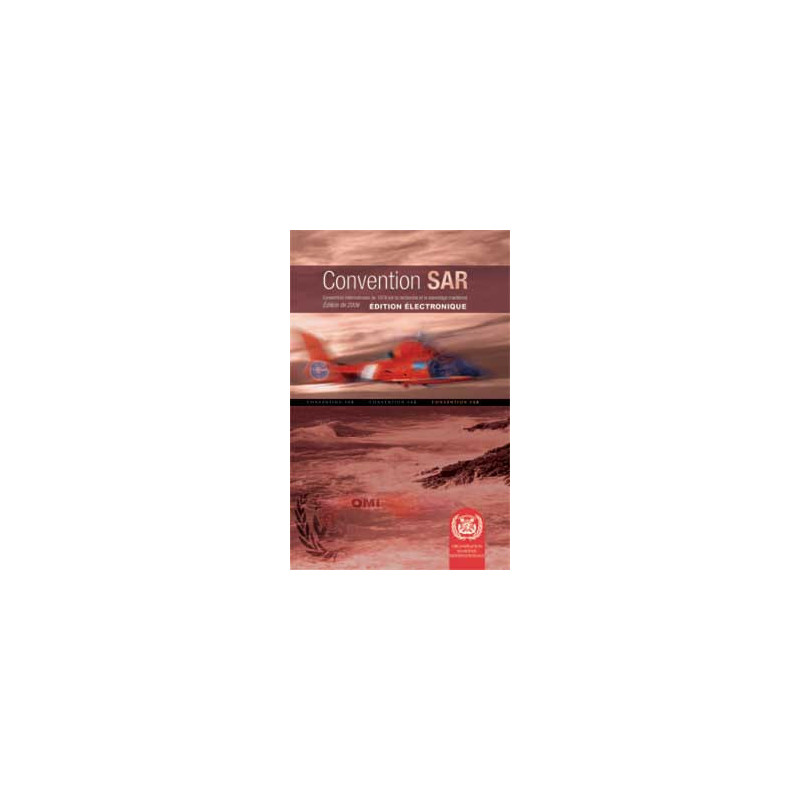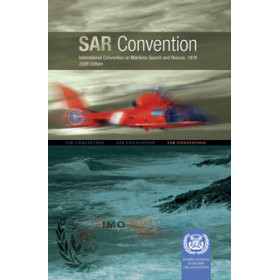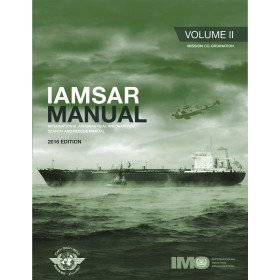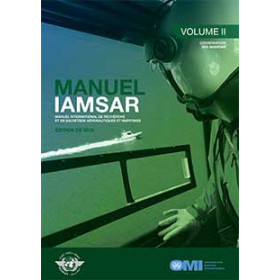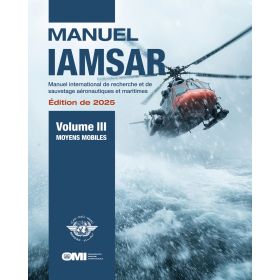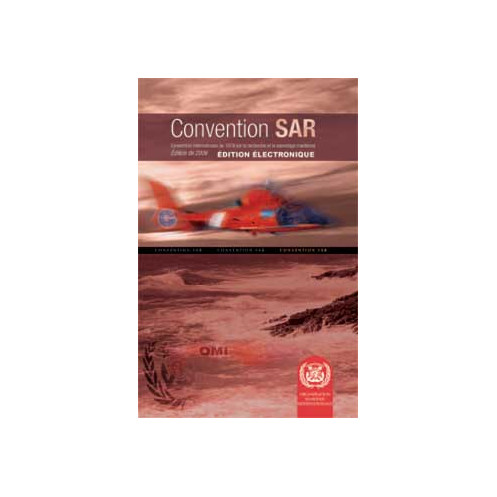




Official 2006 French edition of the International Maritime Search and Rescue (SAR) Convention. Essential for maritime professionals, it defines global rescue coordination standards.
Printed version.
Data sheet
Specific References
The International Convention on Maritime Search and Rescue (SAR) 2006 establishes a comprehensive global framework for coordinated search and rescue operations at sea. Designed to enhance maritime safety, this official publication provides standardized procedures and protocols for responding to distress situations, ensuring efficient collaboration among vessels, coastal states, and rescue coordination centers. By harmonizing international efforts, it strengthens the effectiveness of lifesaving operations in one of the most challenging environments—open waters.
This publication is an indispensable tool for maritime professionals, including shipowners, captains, crew members, and maritime authorities. It outlines the legal and operational obligations under the SAR Convention, complementing existing maritime safety regulations such as the SOLAS 1974 Convention. The document defines key responsibilities, communication protocols, and coordination mechanisms to ensure rapid and effective responses when lives are at risk. Its structured approach minimizes delays and maximizes the chances of successful rescues, making it a cornerstone of modern maritime safety practices.
The 2006 edition of the SAR Convention consolidates decades of international cooperation in maritime search and rescue. It includes updated guidelines on distress signal recognition, search patterns, rescue techniques, and post-rescue procedures. The publication also addresses emerging challenges in maritime safety, such as the integration of new technologies and the coordination of multi-national rescue efforts. By providing clear, actionable instructions, it ensures that all stakeholders—from commercial vessels to coast guards—operate under a unified system, reducing ambiguity and improving outcomes in high-stakes situations.
Beyond its regulatory significance, this publication serves as a practical reference for real-world scenarios. It includes detailed annexes, flowcharts, and best practices to guide decision-making during emergencies. Whether used for training, operational planning, or on-board reference, it equips maritime professionals with the knowledge needed to act swiftly and effectively. The paperback format ensures durability and accessibility, making it a reliable resource in both office and field environments. For those requiring digital access, a secured e-reader version is also available, offering flexibility without compromising security or compliance.
As a foundational document in maritime safety, the SAR Convention 2006 aligns with broader international efforts to protect lives at sea. It reinforces the commitment of the global maritime community to uphold the highest standards of safety and cooperation. By adhering to its guidelines, maritime professionals contribute to a safer, more predictable environment for seafarers, passengers, and rescue teams alike. This publication is not just a regulatory requirement—it is a vital component of a collective mission to save lives and prevent maritime disasters.
Enhance Maritime Safety with the Official SAR Convention 2006
The International Convention on Maritime Search and Rescue 2006 is the definitive reference for professionals tasked with ensuring safety at sea. This official publication provides a structured, internationally recognized framework for coordinating search and rescue (SAR) operations, addressing critical gaps in maritime emergency response. By standardizing protocols across nations and vessels, it enables seamless collaboration during distress situations, significantly improving the chances of successful rescues in open waters.
Comprehensive Guidelines for High-Stakes Scenarios
This publication delivers clear, actionable guidelines for all phases of maritime search and rescue, from initial distress signal detection to post-rescue procedures. It outlines the roles and responsibilities of ships, coastal states, and rescue coordination centers, ensuring that every stakeholder understands their obligations under international law. The 2006 edition incorporates updates to reflect advancements in technology and evolving best practices, making it a relevant and reliable resource for modern maritime operations. Weighing 1.8 kg, this paperback edition is designed for durability and ease of use, whether on board a vessel or in a maritime office.
Complements SOLAS 1974 and Strengthens Maritime Safety
The SAR Convention 2006 works in tandem with the SOLAS 1974 Convention to create a robust safety net for seafarers. While SOLAS focuses on preventing accidents, the SAR Convention ensures that when emergencies occur, responses are swift, coordinated, and effective. This publication is particularly valuable for shipowners, maritime authorities, and rescue teams, as it provides a unified approach to managing distress situations, reducing confusion, and minimizing response times. Available in French, it caters to Francophone maritime professionals, ensuring accessibility across global operations.
Trusted Resource for Training and Operational Readiness
Beyond its regulatory function, this publication serves as a critical training tool for maritime professionals. It includes detailed annexes, search patterns, and communication protocols that can be directly applied in real-world scenarios. Whether used for on-board reference, emergency drills, or policy development, it equips teams with the knowledge needed to act decisively under pressure. For those preferring digital access, a secured e-reader version is also available, offering the same authoritative content in a portable format.
This official publication of the International Convention on Maritime Search and Rescue 2006 is presented in a durable paperback format, weighing 1.8 kg. It is published in French, making it accessible to Francophone maritime professionals. The document provides a comprehensive framework for international SAR operations, including standardized protocols, legal obligations, and best practices for emergency response at sea.
With a legacy of shaping global maritime standards, this organization is a leading authority in maritime safety, security, and environmental protection. Its conventions and publications are recognized worldwide, providing the foundation for international maritime law and operational best practices. Trusted by governments, shipping companies, and maritime professionals, its work ensures consistency, compliance, and safety across the industry.
This document establishes an international framework for coordinated search and rescue operations at sea, ensuring efficient assistance to persons in distress and complementing traditional obligations like those under SOLAS 1974.
Yes, a digital version is available. It is a locked format readable using the free IMO e-reader.
The paper version does not specify exact dimensions, but it weighs 1.8 kg and is designed for practical reference use.
This edition reflects the 2006 version of the convention, including all relevant updates and provisions applicable at that time.
Yes, it is the official publication and serves as a reference for compliance with international search and rescue maritime regulations.
The paper version is available in French. Availability in other languages may vary for the digital or other formats.
You might also like