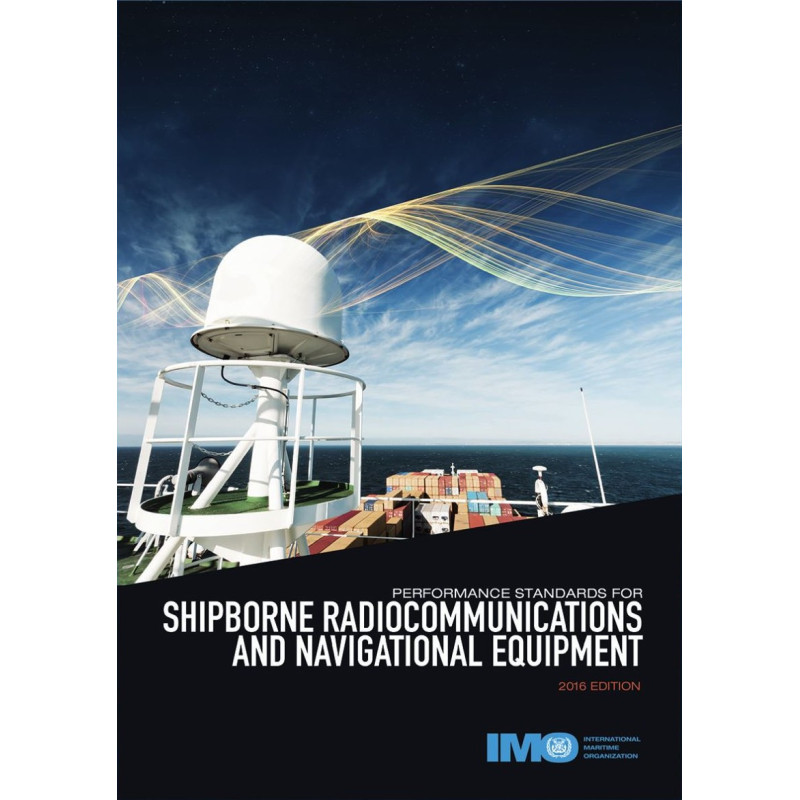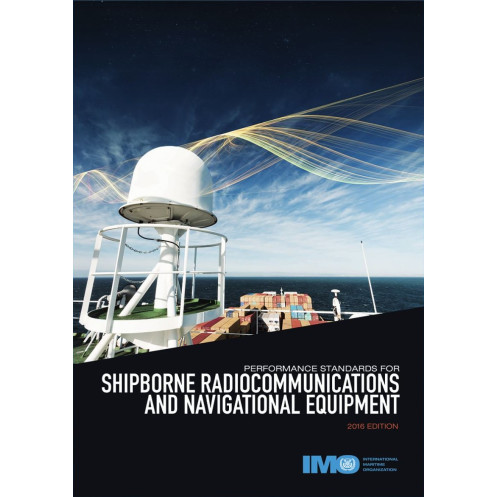




Stay ahead with the 2016 consolidated performance standards for shipborne radiocommunication and navigation systems. Includes GMDSS, VDR, LRIT, and electronic inclinometers, updated through 2015.
Data sheet
Specific References
The IMO Performance Standards for Shipborne Radiocommunication and Navigational Equipment 2016 is the definitive reference for maritime professionals seeking to ensure compliance with international safety and operational standards. Published by the International Maritime Organization (IMO), this consolidated 2016 edition provides the latest performance requirements for shipborne equipment, integrating all amendments adopted up to December 2015. It serves as a critical resource for shipowners, operators, manufacturers, and maritime authorities, offering a comprehensive framework to enhance the reliability and efficiency of onboard systems.
This publication encompasses a wide range of equipment and systems essential for modern maritime operations. It includes updated performance standards for electronic inclinometers, bridge equipment and systems, and revised requirements for Voyage Data Recorders (VDRs). Additionally, it addresses the latest standards for Long-Range Identification and Tracking (LRIT) systems, speed and distance measuring devices, and the Global Maritime Distress and Safety System (GMDSS). Key GMDSS equipment such as Emergency Position Indicating Radio Beacons (EPIRB), Search and Rescue Transponders (SART), NAVTEX receivers, and VHF/DSC radios are thoroughly covered, ensuring that vessels meet global safety and communication protocols.
Tailored for professionals in the merchant marine sector, this publication is an indispensable tool for engineers, naval architects, surveyors, and regulatory bodies. It provides clear, standardized guidelines that facilitate the design, installation, and maintenance of shipborne equipment, ensuring seamless integration with international maritime regulations. Whether for newbuilds or retrofitting existing vessels, this reference ensures that all radiocommunication and navigational systems adhere to the highest performance benchmarks, promoting safety and operational excellence at sea.
The 2016 consolidated edition reflects the most recent advancements and regulatory updates in maritime technology. By incorporating all amendments up to December 2015, it offers a unified and current perspective on performance standards, eliminating the need to consult multiple documents. This streamlined approach saves time and reduces the risk of oversight, making it an invaluable asset for professionals tasked with maintaining compliance and optimizing vessel performance.
As the maritime industry continues to evolve, so do the requirements for shipborne equipment. This publication supports global operations by providing a standardized framework that aligns with international conventions, including SOLAS (Safety of Life at Sea) and other IMO instruments. It ensures that vessels are equipped with systems that meet the demands of modern navigation, communication, and safety, fostering a safer and more efficient maritime environment.
Elevate Your Vessel’s Compliance with the IMO Performance Standards for Shipborne Radiocommunication and Navigational Equipment 2016
In the fast-paced world of maritime operations, staying ahead of regulatory requirements is not just a necessity—it’s a competitive advantage. The IMO Performance Standards for Shipborne Radiocommunication and Navigational Equipment 2016 is the ultimate guide for ensuring your vessel’s equipment meets the highest international standards. This consolidated 2016 edition, published by the International Maritime Organization (IMO), integrates all critical amendments adopted up to December 2015, making it the most up-to-date reference for maritime professionals. With 656 pages of comprehensive guidelines, this publication is designed to streamline compliance, enhance safety, and optimize the performance of your shipborne systems.
Unmatched Coverage for Modern Maritime Systems
This essential publication leaves no stone unturned when it comes to shipborne radiocommunication and navigational equipment. It includes the latest performance standards for a wide array of critical systems, such as electronic inclinometers, bridge equipment, and Voyage Data Recorders (VDRs). The 2016 edition also features revised standards for Long-Range Identification and Tracking (LRIT) systems, ensuring your vessel remains compliant with global tracking requirements. Additionally, it covers the Global Maritime Distress and Safety System (GMDSS), including key equipment like Emergency Position Indicating Radio Beacons (EPIRB), Search and Rescue Transponders (SART), NAVTEX receivers, and VHF/DSC radios. Whether you’re outfitting a new vessel or upgrading existing systems, this publication provides the technical clarity needed to meet and exceed international expectations.
Engineered for Professionals Who Demand Precision
Crafted for maritime engineers, naval architects, surveyors, and regulatory authorities, this publication is more than just a reference—it’s a roadmap to operational excellence. The 2016 edition consolidates all amendments into a single, easy-to-navigate volume, eliminating the need to cross-reference multiple documents. This not only saves valuable time but also reduces the risk of non-compliance due to overlooked updates. With a focus on practical application, the standards outlined in this publication ensure that every piece of equipment on your vessel is designed, installed, and maintained to perform flawlessly under the most demanding conditions.
Future-Proof Your Vessel with the Latest Standards
The maritime industry is constantly evolving, and so are the regulations that govern it. The IMO Performance Standards for Shipborne Radiocommunication and Navigational Equipment 2016 ensures your vessel is equipped to handle both current and future challenges. By adhering to these standards, you’re not just meeting regulatory requirements—you’re investing in the safety, efficiency, and longevity of your maritime operations. Available in a convenient printed format, this publication is an indispensable tool for anyone committed to maintaining the highest standards of maritime excellence.
This authoritative publication is presented in a printed format, featuring 656 pages of detailed performance standards for shipborne radiocommunication and navigational equipment. Published in 2016 and updated with all amendments through December 2015, this edition is written entirely in English, ensuring accessibility for global maritime professionals. Weighing 5 lb, it is designed for durability and ease of use in both office and onboard environments.
With a legacy of setting global maritime standards, the publisher behind this essential reference is a leading authority in the maritime industry. Renowned for its commitment to safety, innovation, and regulatory compliance, the organization provides critical resources that empower maritime professionals worldwide to navigate the complexities of international shipping with confidence and precision.
The standards cover radiocommunication and navigational equipment, including electronic inclinometers, bridge systems, voyage data recorders (VDR), long-range identification and tracking (LRIT) systems, speed and distance measuring devices, and GMDSS equipment such as EPIRB, SART, NAVTEX receivers, and VHF/DSC.
Yes, the standards apply to equipment installed on both new and existing vessels, ensuring compliance with the latest safety and performance requirements adopted up to December 2015.
The digital version is a locked file readable with the free IMO e-reader, while the paper version is a physical book. Both contain identical content and technical specifications.
Yes, this consolidated edition includes revised standards for voyage data recorders (VDR) and long-range identification and tracking (LRIT) systems, along with all amendments adopted up to December 2015.
The digital version requires the free IMO e-reader software and is not universally compatible with all devices. It is designed for secure access through the official IMO platform.
Updates depend on amendments adopted by the IMO. This 2016 edition consolidates all changes up to December 2015, but newer amendments may require additional supplements or future editions.
The paper version weighs approximately 5 pounds.
You might also like