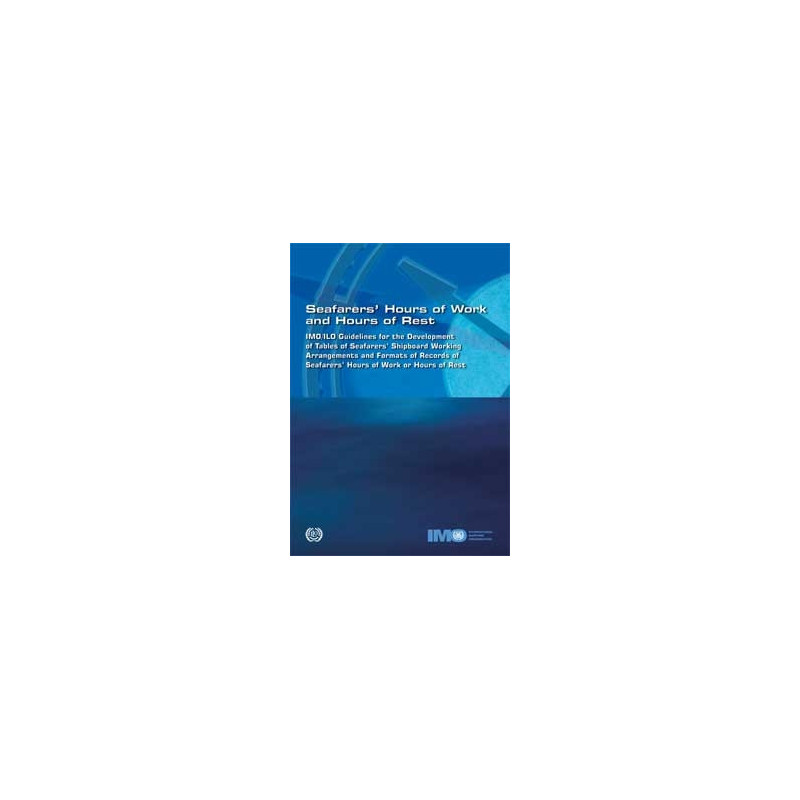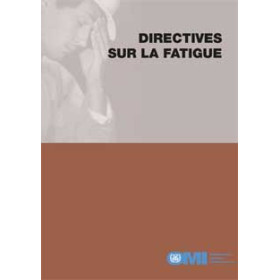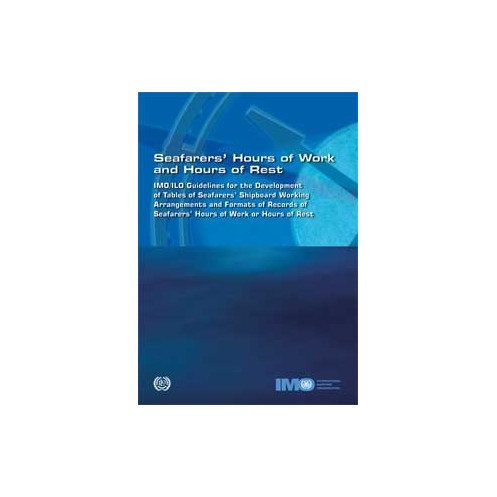





Simplify compliance with IMO/ILO guidelines using this digital resource. Includes standardized tables for work arrangements and hour tracking to meet maritime labor regulations efficiently.
Data sheet
Specific References
Digital Compliance Solution for Maritime Work Hour Regulations
This essential digital publication delivers the complete IMO/ILO guidelines for developing standardized shipboard working arrangements and record formats, providing maritime professionals with the tools needed to implement international labor standards. The 1999 edition establishes the framework for complying with ILO Convention No. 180 and the 1995 STCW amendments, offering a systematic approach to managing seafarer work hours and rest periods across global fleets.
Standardized Work Management System for Modern Shipping
The guidelines introduce a comprehensive table system that replaces inconsistent scheduling practices with a uniform methodology for organizing shipboard working arrangements. This standardized approach accommodates the diverse operational requirements of different vessel types while ensuring consistent application of work-rest regulations. The publication includes model record formats that enable accurate daily documentation of work hours, creating an auditable compliance trail for both internal management and external inspections.
Digital Implementation Framework for Regulatory Adherence
Beyond providing template documents, this digital resource establishes procedures for monitoring and maintaining compliance with international maritime labor standards. The guidelines outline a systematic approach for regular review of working arrangements, enabling maritime organizations to identify potential compliance gaps before they become issues. This proactive framework supports flag state inspections, port state control examinations, and internal audits, helping operators demonstrate regulatory adherence during official reviews.
Secure Digital Access with Professional Features
The digital edition provides perpetual access to the 1999 guidelines through the IMO Bookshelf platform, offering maritime professionals a secure and reliable reference tool. With a 220 x 313 px cover image and controlled printing capabilities (10 pages per session, 50 pages maximum per title), the publication balances accessibility with content protection. The online-only PDF format ensures users always have access to the most current compliance information without the risk of outdated physical copies.
This digital publication provides the complete 1999 IMO/ILO guidelines in English through the IMO Bookshelf platform. The online-only PDF format offers perpetual access to the content with controlled printing capabilities (10 pages per session, maximum 50 pages per title). The digital edition features a 220 x 313 px cover image and requires the free IMO Bookshelf software, which is compatible with Windows systems but not supported on Mac, iPhone, iOS, or Android devices.
With a longstanding reputation in maritime publishing, this organization produces authoritative reference materials that support international shipping regulations. Their publications serve as essential resources for maritime professionals worldwide, providing standardized frameworks and compliance tools developed through collaboration with international regulatory bodies. The digital editions maintain the same technical rigor as their print counterparts while offering enhanced accessibility for modern maritime operations.
The digital publication requires the IMO Bookshelf software, which is available for free download.
No, this digital version is not compatible with Mac, iPhone, iOS, or Android devices.
The publication is readable online only and cannot be downloaded. Printing is limited to 10 pages per session, with a maximum of 50 pages per title.
You will have perpetual access to this digital publication for the duration of the edition.
These guidelines assist in complying with ILO Convention No. 180 (Seafarers' Hours of Work and the Manning of Ships) and the IMO STCW Convention, as amended in 1995.
Yes, the guidelines provide a standardized table of shipboard working arrangements and a standard format for daily records of seafarers' work and rest hours.
You might also like