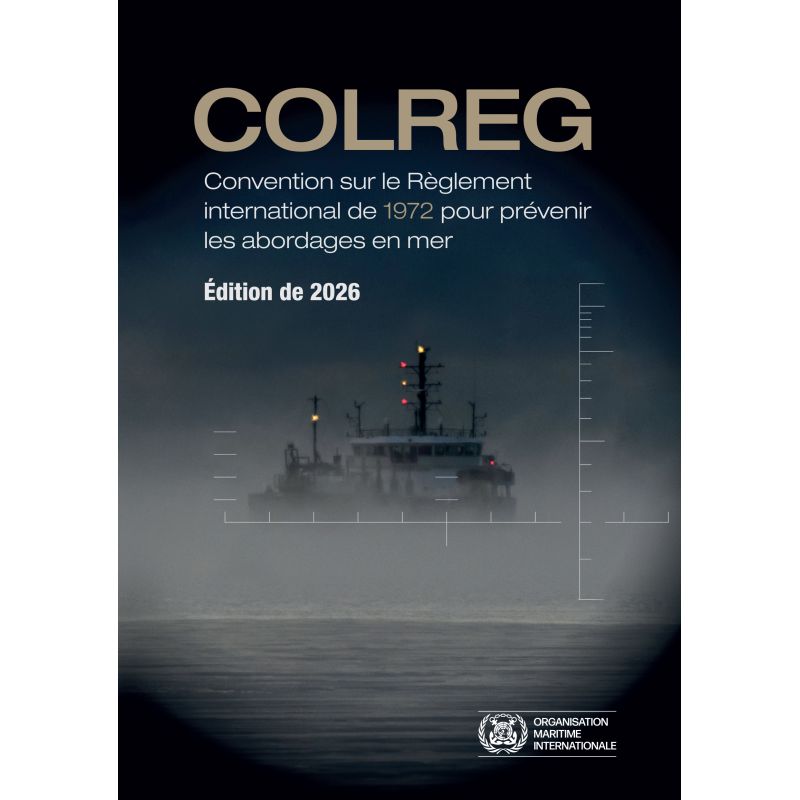





This digital edition of the 1972 COLREGS Convention includes all amendments through 2001. Ensure maritime safety with essential collision prevention rules in a secure, downloadable PDF format.
Data sheet
Specific References
The International Regulations for Preventing Collisions at Sea, 1972 (COLREGS) form the cornerstone of maritime navigation safety. This digital publication provides the consolidated text of the convention, incorporating all amendments adopted since 1972, including those from 1981, 1987, 1989, 1993, and 2001. Designed for professionals in the merchant marine, this document ensures compliance with the latest international standards for collision avoidance at sea.
This digital edition replaces the 2002 consolidated version, offering an updated and authoritative resource for maritime operators. It includes 41 rules divided into six parts, along with four annexes that cover critical aspects of navigation, such as steering and sailing rules, lights and shapes, and sound and light signals. Whether you're a shipmaster, officer, or maritime authority, this publication provides the precise guidelines needed to navigate safely in all conditions.
The COLREGS are meticulously organized to address every scenario a vessel might encounter. Key sections include:
This structure ensures that maritime professionals can quickly reference the rules applicable to their situation, reducing the risk of misinterpretation and enhancing safety at sea.
Available in a secure PDF format, this digital publication is designed for ease of use and accessibility. It can be read using the free IMO e-reader, ensuring compatibility with most devices. The locked format guarantees that the content remains unaltered, preserving its integrity and reliability. This digital version is ideal for professionals who need instant access to the regulations, whether on board a vessel or in an office setting.
The COLREGS apply to all vessels, regardless of size, and are enforceable in international waters. Key regulations include:
These rules are not just recommendations—they are legally binding and essential for preventing collisions and ensuring the safety of life at sea.
Published by the International Maritime Organization (IMO), this document is recognized as the global standard for collision avoidance. It is used by maritime authorities, shipping companies, and training institutions to ensure that all personnel are equipped with the knowledge needed to navigate safely. By adhering to these regulations, professionals contribute to the reduction of maritime accidents and the protection of the marine environment.
Navigate with Confidence Using the Latest COLREGS Regulations
The International Regulations for Preventing Collisions at Sea, 1972 (COLREGS) are the definitive guide for safe maritime navigation. This digital publication provides the consolidated text of the convention, updated with all amendments through 2001, ensuring you have the most current and accurate information at your fingertips. Designed for professionals in the merchant marine, this resource is indispensable for shipmasters, officers, and maritime authorities who prioritize safety and compliance.
Comprehensive Coverage of Maritime Safety Rules
This publication includes 41 rules divided into six parts, covering every aspect of collision avoidance. From general provisions to specific requirements for lights, shapes, and sound signals, the COLREGS provide clear guidelines for navigating in all conditions. The four annexes offer additional technical details, such as the minimum range of visibility for lights and the specifications for sound signals, ensuring that vessels of all sizes can operate safely and in accordance with international law.
Designed for Modern Maritime Operations
Available in a secure PDF format, this digital edition is accessible via the free IMO e-reader, making it easy to use on board or in the office. The locked format ensures the integrity of the content, preventing unauthorized modifications. With instant access to the latest regulations, maritime professionals can make informed decisions quickly, reducing the risk of accidents and enhancing operational efficiency.
Legally Binding and Globally Recognized
The COLREGS are enforceable in international waters and apply to all vessels, regardless of size. Key regulations, such as Rule 9 for narrow channels and Rule 33 for sound signals, provide specific requirements that vessels must follow to avoid collisions. By adhering to these rules, maritime professionals contribute to the safety of life at sea and the protection of the marine environment.
This digital publication provides the consolidated text of the International Regulations for Preventing Collisions at Sea, 1972 (COLREGS), including all amendments through 2001. Available in French, it is formatted as a secure PDF, readable with the free IMO e-reader. The document contains 41 rules divided into six parts, along with four annexes, covering all aspects of maritime navigation safety, from steering and sailing rules to sound and light signal requirements.
The International Maritime Organization (IMO) is the United Nations specialized agency responsible for the safety and security of shipping and the prevention of marine pollution by ships. Established in 1948, the IMO sets global standards for the maritime industry, ensuring that shipping remains safe, secure, and environmentally sound. Its publications, including the COLREGS, are recognized as the authoritative references for maritime professionals worldwide.
This version integrates amendments from 1981, 1987, 1989, 1993, and 2001, replacing the 2002 consolidated edition.
No, the PDF is locked and can only be read using the free dedicated reader provided.
The convention includes a total of 41 rules across 6 parts.
Vessels 12 meters or longer must have a whistle and bell, while those 100 meters or longer must also include a gong.
Rule 9 applies to vessels shorter than 20 meters.
The convention entered into force on July 15, 1977.
You might also like