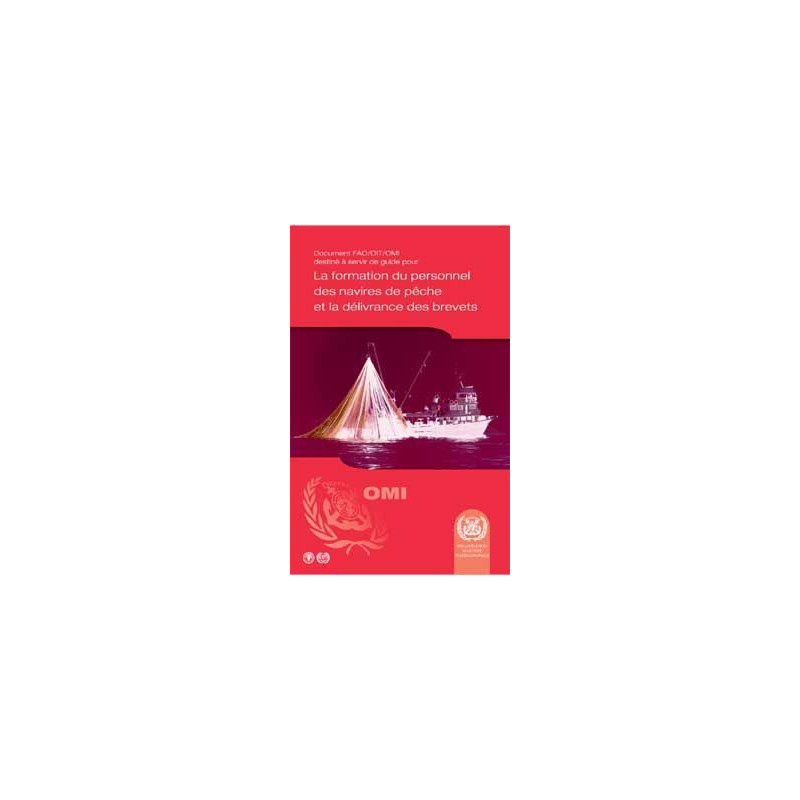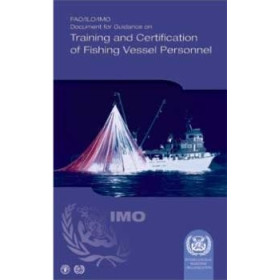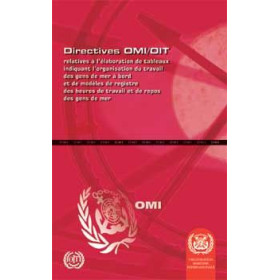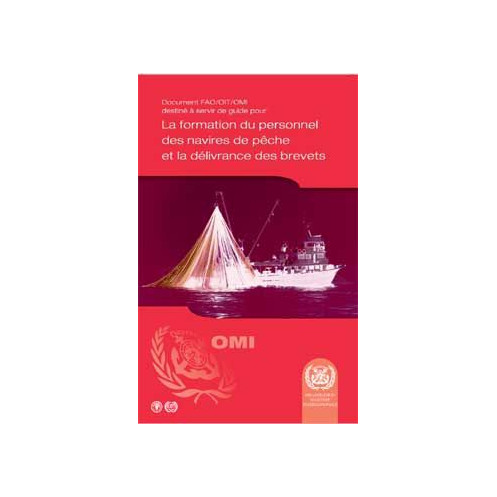





French digital edition of FAO/ILO/IMO guidelines for fishing vessel crew training and certification. Ensures safety and compliance in artisanal and industrial fishing.
Free reader required.
Data sheet
Specific References
Transform Fishing Vessel Training with the FAO/ILO/IMO Guidance Document
Elevate the standards of your maritime training programs with this authoritative digital publication, designed to shape the future of fishing vessel personnel certification. Developed by the world’s leading maritime and labor organizations, this document provides a structured, competency-based approach to training, ensuring that crews are equipped with the skills needed to operate safely and efficiently in both artisanal and industrial fishing environments. With a focus on international compliance, it bridges the gap between regulatory requirements and practical training, making it an essential tool for maritime authorities, training institutions, and fishing companies worldwide.
Comprehensive Training Framework for Global Standards
This publication is the result of decades of collaboration and expertise, originally released in 1985 and updated in 1995 to align with the STCW-F Convention. It integrates the latest ILO and IMO conventions, along with FAO’s extensive field experience, to deliver a holistic training framework. Covering everything from navigation and vessel handling to safety protocols and emergency response, it ensures that personnel are prepared for the unique challenges of the fishing industry. The 358-page document is meticulously organized to support both theoretical learning and hands-on training, making it a versatile resource for educators and trainees alike.
Digital Innovation for Modern Maritime Education
Available in a secure digital format, this publication is designed for the modern maritime professional. Compatible with the free IMO e-reader, it offers instant access to critical training materials, enabling seamless integration into digital learning platforms. The digital version ensures that training providers can easily distribute, update, and manage content, reducing logistical challenges and enhancing the learning experience. Whether used in a classroom setting or for self-paced study, this publication provides the flexibility and accessibility needed to meet the demands of today’s maritime industry.
Driving Safety and Compliance in the Fishing Industry
This guidance document is more than just a training manual—it’s a catalyst for change in the fishing industry. By promoting standardized training and certification, it helps reduce operational risks, improve safety at sea, and ensure compliance with international regulations. It serves as a roadmap for maritime authorities and training providers, offering clear guidelines for developing programs that meet the highest global standards. For fishing vessel personnel, it represents an opportunity to enhance their skills, advance their careers, and contribute to a safer, more professional maritime environment.
This digital publication is available in French and was published in January 2003, based on the 2001 edition. It spans 358 pages and is designed for use with the free IMO e-reader, offering a secure and accessible format for maritime training professionals.
With a legacy of shaping global maritime standards, this organization is a leading authority in developing regulations, guidelines, and training resources for the shipping and fishing industries. Its publications are trusted by governments, maritime authorities, and industry professionals worldwide, ensuring safety, compliance, and operational excellence across the maritime sector.
This guide serves as an international reference for training and certification of fishing vessel personnel, covering both artisanal and industrial fishing sectors.
Currently, this digital version is only available in French.
The latest edition was published in 2003, based on revisions completed in 2001.
The digital version contains 358 pages.
It can be read using the free IMO e-reader, which is required to access the locked digital format.
Yes, it includes training guidelines for personnel in both artisanal and industrial fishing sectors.
Yes, it integrates conventions and recommendations from the ILO and IMO, as well as FAO expertise.
You might also like