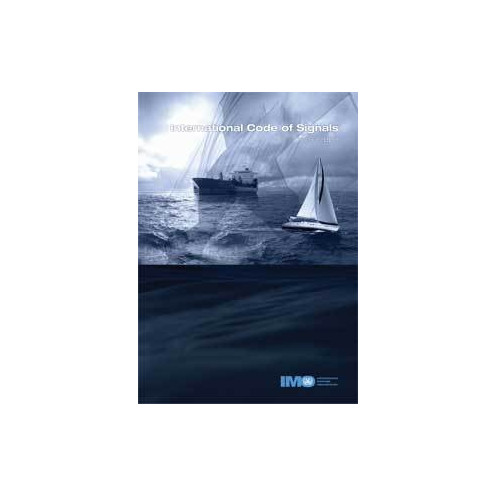





Digital edition of the International Code of Signals for standardized maritime communication. Ensures safety and clarity for vessels, aircraft, and shore authorities via the IMO Bookshelf.
Data sheet
Specific References
Unlock Seamless Maritime Communication with the International Code of Signals
In the fast-paced world of maritime operations, clear and reliable communication can mean the difference between safety and disaster. The International Code of Signals is the gold standard for standardized maritime messaging, offering a foolproof system for transmitting critical information across ships, aircraft, and shore authorities. This digital edition, published in 2005 and updated with all amendments through December 2000, ensures that maritime professionals have access to the most accurate and up-to-date signaling protocols available. Whether you're navigating international waters or coordinating port operations, this publication is your go-to resource for eliminating language barriers and ensuring every message is understood with precision.
Designed for Modern Maritime Professionals
This digital version of the International Code of Signals is built for efficiency and ease of use. With 173 fully indexed and bookmarked pages, it allows for rapid navigation, so you can find the exact signal or protocol you need in seconds. The IMO Bookshelf software ensures seamless online access, while browser caching supports offline use, making it ideal for on-board or remote operations. The publication is optimized for radiotelephony, radiotelegraphy, and visual signaling, covering all communication methods used in the maritime industry. Plus, with a 10-page printing limit per session (up to 50 pages per title), it balances accessibility with security, protecting the integrity of this essential resource.
Trusted by the Global Maritime Community
As an official publication of the International Maritime Organization (IMO), the International Code of Signals is recognized and relied upon by maritime professionals worldwide. This digital edition reflects the latest standards in maritime communication, ensuring compliance with international regulations and best practices. Whether you're a ship officer, port authority, or maritime trainer, this publication provides the tools you need to communicate effectively in any situation. From routine operations to emergencies, the International Code of Signals is your trusted partner for safe and efficient maritime communication.
The International Code of Signals is available in a digital format, offering 173 pages of fully indexed and bookmarked content for quick reference. This 2005 edition, updated with amendments through December 2000, is accessible via the IMO Bookshelf software and supports online and offline use through browser caching. Compatible with most systems (excluding Macs, iPhones, iOS, and Android phones), it allows for limited printing of up to 10 pages per session, with a maximum of 50 pages per title. The digital publication ensures perpetual access for the lifetime of the edition, making it a reliable resource for maritime professionals.
With a legacy of providing essential resources for the maritime industry, this publisher is a trusted name in maritime safety and navigation. Specializing in official publications recognized by international organizations, their digital and print resources are designed to meet the rigorous demands of maritime professionals worldwide. Their commitment to accuracy, reliability, and innovation ensures that every publication adheres to the highest standards of quality and compliance.
It supports all standard maritime communication methods, including radiotelephony and radiotelegraphy, ensuring compatibility with various signaling systems used at sea.
No, the digital format is not supported on Macs, iPhones, iOS, or Android phones.
You can print up to 10 pages per session, with a maximum limit of 50 pages per title.
This edition includes all amendments adopted by the Maritime Safety Committee up to December 2000 (MSC 73), with only minor editorial improvements and a new cover since then.
Yes, offline access is supported through your browser’s cache, allowing you to view the content without an active internet connection.
The publication contains 173 pages, fully bookmarked and indexed for easy navigation.
Yes, the digital version provides perpetual access for the lifetime of this edition.
You might also like