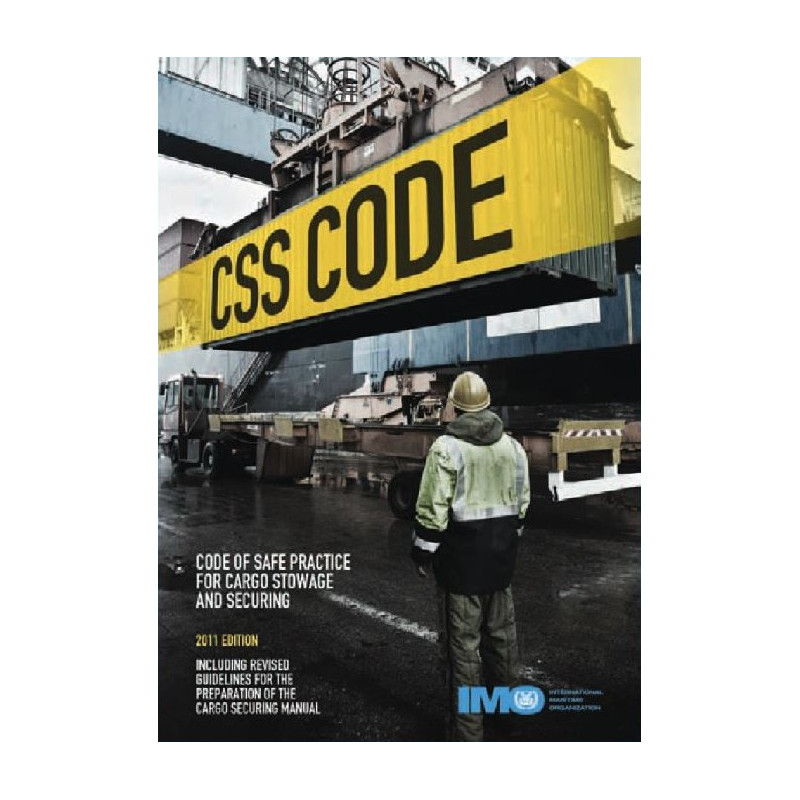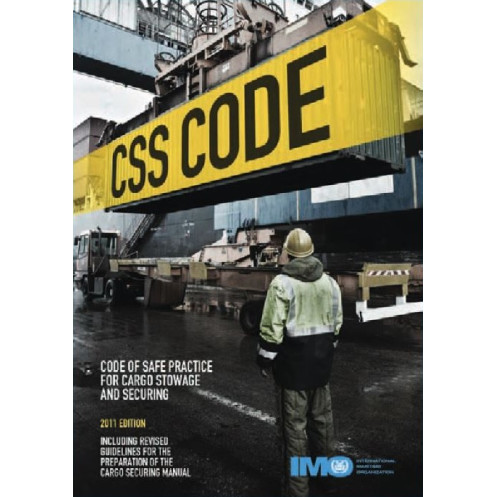




Ensure safe cargo handling with the 2021 CSS Code. This standard includes updated guidelines, Annex 13, and securing arrangements for vehicles and containers.
Data sheet
Specific References
The Code of Safe Practice for Cargo Stowage and Securing (CSS) is the definitive international standard for ensuring the safe stowage and securing of cargo aboard ships. Developed by the International Maritime Organization (IMO), this code provides comprehensive guidelines designed to minimize risks to vessels, crew, and cargo. By addressing critical aspects of cargo handling, it helps prevent accidents, structural damage, and financial losses during maritime transport.
This publication is tailored for professionals in the merchant marine industry, including ship operators, cargo planners, port authorities, and maritime safety inspectors. It offers a structured approach to cargo securing, covering general principles as well as specific recommendations for challenging cargo types. The code ensures that vessels are properly equipped with appropriate securing methods and that cargo is stowed in a manner that maintains ship stability and safety under all sea conditions.
The 2021 edition of the CSS Code incorporates the latest amendments and best practices, reflecting advancements in maritime safety. Key updates include Annex 13, which introduces methods for evaluating the effectiveness of securing arrangements for semi-standardized and non-standardized cargoes (MSC.1/Circ.1623). Additionally, Appendix 2 provides revised guidelines for preparing cargo securing manuals (MSC.1/Circ.1353/Rev.2), while Appendix 4 offers updated recommendations for securing road vehicles on roll-on/roll-off ships (MSC.479(102)). The code also includes amendments to Annex 14, addressing safe working conditions for container lashing on deck.
The CSS Code goes beyond theoretical guidelines by offering practical solutions for real-world maritime challenges. It includes detailed advice for handling problematic cargoes, navigating heavy sea conditions, and correcting cargo shifts. By following these recommendations, maritime professionals can ensure compliance with international safety standards while optimizing cargo operations for efficiency and reliability.
As a cornerstone of maritime safety, the CSS Code is an indispensable resource for anyone involved in cargo transport. Its clear, actionable guidelines help ensure that vessels are prepared for their cargo, equipped with the right securing tools, and operated in accordance with the highest safety standards. Whether for routine operations or complex cargo scenarios, this publication provides the knowledge needed to maintain safety and compliance in the maritime industry.
Enhance Maritime Safety with the IMO Code of Safe Practice for Cargo Stowage and Securing (CSS)
In the high-stakes world of maritime transport, the secure stowage and lashing of cargo are not just operational necessities—they are critical safeguards against accidents, financial losses, and environmental hazards. The IMO Code of Safe Practice for Cargo Stowage and Securing (CSS) is the gold standard for ensuring that cargo remains stable and secure throughout its journey, regardless of sea conditions or vessel type. This essential publication provides maritime professionals with the tools and knowledge to mitigate risks, comply with international regulations, and protect both crew and cargo from the dangers of improper stowage.
Comprehensive Guidelines Backed by International Standards
Developed by the International Maritime Organization (IMO) and adopted in 1991, the CSS Code has evolved through multiple amendments to address the latest challenges in maritime cargo handling. The 2021 edition reflects the most current best practices, incorporating critical updates such as Annex 13, which outlines methods for evaluating the effectiveness of securing arrangements for semi-standardized and non-standardized cargoes. This ensures that even the most complex or irregular cargoes can be safely transported. Additionally, the code includes revised guidelines for preparing cargo securing manuals (Appendix 2) and securing road vehicles on roll-on/roll-off ships (Appendix 4), making it a versatile resource for a wide range of maritime operations.
Practical Solutions for Real-World Maritime Challenges
The CSS Code is designed to be a practical, hands-on resource for maritime professionals. It provides clear, actionable advice for handling problematic cargoes, such as those prone to shifting or requiring special securing methods. The code also addresses the challenges posed by heavy sea conditions, offering strategies to prevent cargo displacement and maintain vessel stability. By following these guidelines, ship operators, cargo planners, and port authorities can ensure that their operations meet the highest safety standards while minimizing the risk of accidents or damage.
Optimized for Compliance and Operational Efficiency
Compliance with international maritime regulations is non-negotiable, and the CSS Code is the definitive reference for meeting these requirements. The 2021 edition includes updates to Annex 14, which focuses on safe working conditions for container lashing on deck, ensuring that even the most demanding cargo operations are conducted safely. With a weight of 1.8 kg and presented in a convenient printed format, this publication is easy to reference on board or in the office, making it an invaluable tool for maritime professionals who prioritize safety, efficiency, and regulatory compliance.
The IMO Code of Safe Practice for Cargo Stowage and Securing (CSS) is available in a printed edition, offering a durable and accessible format for maritime professionals. This 2021 edition is published in English and weighs 1.8 kg, making it a practical resource for use on board ships or in offices. The publication is designed to provide clear, up-to-date guidelines for cargo securing, ensuring compliance with the latest international maritime safety standards.
With a long-standing reputation in the maritime industry, this publisher is recognized for producing authoritative and reliable references that support safety and compliance in global shipping operations. Their publications are trusted by maritime professionals worldwide, offering up-to-date guidelines and best practices that align with international regulations and industry standards.
The latest edition is from 2021. It includes Annex 13 on methods for evaluating the effectiveness of securing arrangements for semi-standardized and non-standardized cargo, revised guidelines for cargo securing manual preparation, updated directives for securing road vehicles on roll-on/roll-off ships, and amendments to Annex 14 regarding safe working conditions for container stowage on deck.
No, the code is only available in English in its paper version.
Key amendments include MSC.1/Circ.1623 for cargo securing arrangements, MSC.1/Circ.1353/Rev.2 for cargo securing manual preparation, MSC.479(102) for securing road vehicles on ro-ro ships, and updates to Annex 14 for container stowage safety.
The printed version weighs 1.8 kg.
Yes, it provides guidance for cargo stowage and securing in heavy sea conditions to prevent cargo shifts.
Yes, the code offers general and specific advice for handling and securing problematic cargo types to ensure safety.
Annex 13 provides methods for evaluating the effectiveness of securing arrangements for semi-standardized and non-standardized cargo.
You might also like