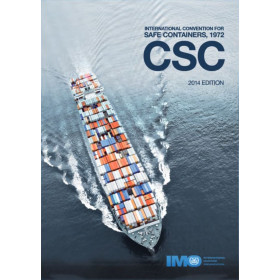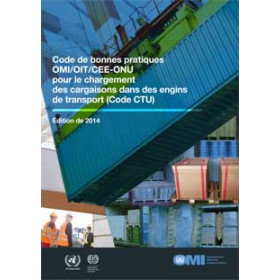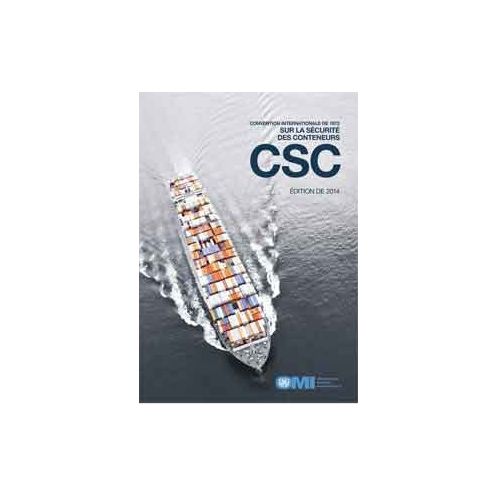




Essential 1972 CSC Convention in French—2014 paper edition. Includes updated safety rules, testing procedures, and standardized regulations for compliant and secure container transport worldwide.
Data sheet
Specific References
The International Convention for Safe Containers (CSC) 1972 is the cornerstone of container safety regulations in maritime transport. This official publication provides the standardized framework that ensures containers meet rigorous safety requirements, protecting lives and streamlining international logistics. Designed for maritime professionals, this document establishes uniform testing procedures, structural integrity standards, and compliance protocols recognized across all surface transport modes. By harmonizing safety regulations, it eliminates the complexity of navigating divergent national rules, making it indispensable for shipping companies, port authorities, and regulatory bodies.
This 2014 edition incorporates critical amendments adopted under Resolution MSC.355(92), which came into force on July 1, 2014. Key updates include revised definitions in Annexes I and II to ensure consistent terminology, alignment with the International System of Units (SI) for physical dimensions, and a transitional period for marking containers with restricted stacking capacity. Additionally, Annex III introduces a new list of deficiencies that, while not requiring immediate container withdrawal, mandate enhanced safety measures. These refinements reflect the evolving demands of global trade, ensuring that safety protocols remain both practical and effective in real-world operations.
Tailored for professionals in the merchant marine industry, this publication delivers the technical precision required for compliance and operational excellence. It outlines the testing and certification processes that containers must undergo, including strength requirements and structural assessments, to guarantee safe handling and transport. The inclusion of standardized markings and documentation procedures further simplifies cross-border logistics, reducing delays and enhancing efficiency. Whether used for regulatory compliance, training, or operational reference, this document is a vital resource for maintaining the highest safety standards in containerized shipping.
Presented in a durable printed format, this publication ensures easy access to critical information without reliance on digital devices. Its clear organization and detailed annexes make it a practical tool for daily use, whether on board vessels, in port offices, or during inspections. The 2014 amendments, including the updated list of non-critical deficiencies, provide actionable guidance for addressing potential safety concerns before they escalate. By consolidating international safety standards into a single, authoritative source, this document empowers maritime professionals to uphold safety, efficiency, and regulatory compliance in every aspect of container transport.
Your Essential Guide to Global Container Safety Standards
The International Convention for Safe Containers (CSC) 1972 is the definitive reference for ensuring container safety in maritime and multimodal transport. This official publication, published in 2014, provides the latest amendments and compliance requirements to safeguard lives and streamline international logistics. With its focus on standardized testing, structural integrity, and uniform regulations, it eliminates the complexities of navigating varying national rules, making it a must-have for shipping professionals, port authorities, and regulatory bodies worldwide.
Updated for Modern Logistics Challenges
This edition incorporates critical updates from Resolution MSC.355(92), effective since July 1, 2014. Key enhancements include revised definitions for clarity, alignment with the International System of Units (SI), and a transitional period for marking containers with restricted stacking capacity. Additionally, Annex III introduces a list of deficiencies that, while not requiring immediate container withdrawal, necessitate enhanced safety measures. These updates ensure that the publication remains relevant and practical for today’s fast-paced global trade environment.
Designed for Maritime Professionals
Engineered for those who demand precision and reliability, this document outlines the rigorous testing and certification processes containers must undergo to meet international safety standards. It covers structural assessments, strength requirements, and standardized marking procedures, ensuring seamless compliance across borders. Whether used for regulatory adherence, training, or operational reference, this publication is an indispensable tool for maintaining the highest safety standards in containerized shipping.
Durable and Practical Format
Available in a printed version, this publication offers a tangible, reliable resource for professionals who need quick access to critical information. Its organized structure and detailed annexes make it ideal for use on vessels, in port offices, or during inspections. The 2014 amendments provide clear guidance on addressing potential safety concerns, empowering maritime professionals to act proactively and maintain compliance with international regulations.
This official publication of the International Convention for Safe Containers (CSC) 1972 is presented in a printed format, ensuring durability and ease of use. Weighing 1.8 kg, it is designed for practical reference in professional settings. The 2014 edition includes the latest amendments, such as updated definitions, alignment with the International System of Units (SI), and a transitional period for container markings. Available exclusively in French, this publication is a new, pristine resource for maritime professionals.
With a legacy of setting global maritime standards, this organization is the leading authority in international shipping regulations. Its publications are trusted by professionals worldwide for their accuracy, reliability, and alignment with the latest industry developments. By providing essential resources like the International Convention for Safe Containers (CSC) 1972, it plays a pivotal role in enhancing safety, efficiency, and compliance in maritime transport.
The convention aims to ensure high safety standards for human life during container transport and handling, while providing uniform international safety regulations to avoid conflicting national rules.
Yes, this edition includes amendments adopted by resolution MSC.355(92), effective July 1, 2014, such as updated definitions, SI unit alignment, and new guidelines for marking containers with restricted stacking capacity.
Annex III details deficiencies that do not require immediate container decommissioning but necessitate additional safety measures to ensure compliance with the convention.
Yes, a locked digital version is available, readable with the free IMO e-reader.
This edition is written in French.
The printed version weighs 1.8 kg.
You might also like