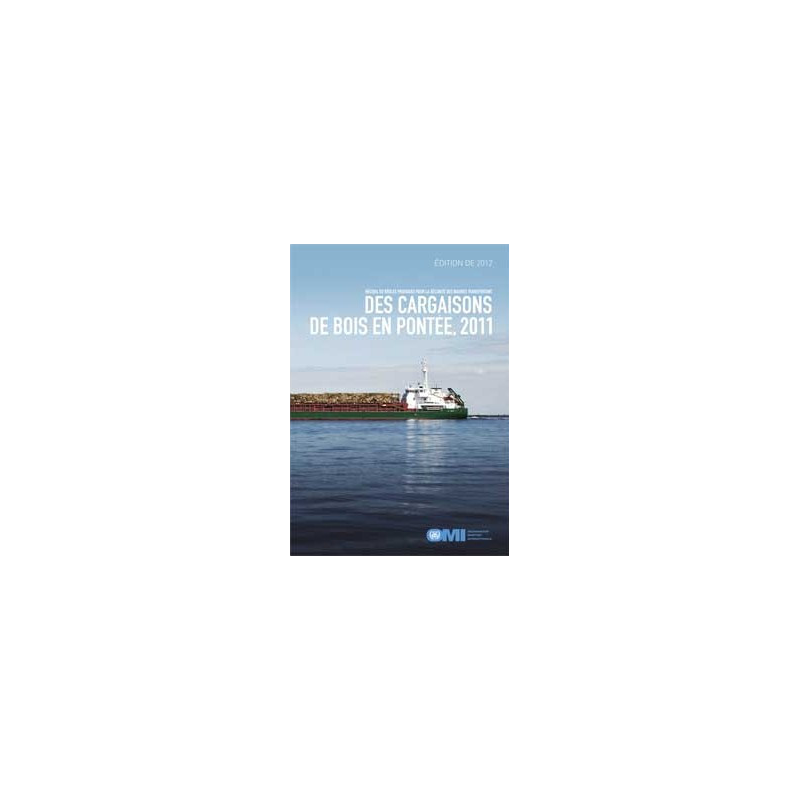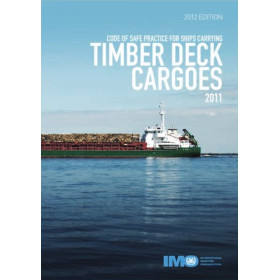




The 2011 TDC Code delivers expert guidelines for securing timber deck cargoes on ships. This French edition ensures safe stowage and minimizes risks of cargo displacement during voyages.
Data sheet
Specific References
This comprehensive publication delivers critical safety guidelines for vessels transporting timber deck cargoes, ensuring compliance with international maritime standards. Designed for shipowners, captains, crew members, and maritime safety inspectors, it provides a structured approach to secure and efficient cargo stowage, minimizing risks during transit.
Adopted by the International Maritime Organization (IMO) through Resolution A.1048(27) in November 2011, this non-mandatory code applies to ships of 24 meters or more carrying timber deck cargoes. It establishes best practices for safe and rational stowage, preventing cargo shifts by accounting for acceleration forces encountered during voyages. These guidelines are recognized globally, ensuring consistency in maritime safety protocols.
The publication offers actionable recommendations for securing timber deck cargoes, addressing key challenges such as load distribution, lashing techniques, and stability considerations. By following these directives, maritime professionals can enhance operational safety, reduce the risk of accidents, and ensure compliance with industry regulations. The guidelines are tailored to real-world conditions, making them a trusted resource for daily operations.
As a reference document for the maritime sector, this publication supports decision-making processes related to cargo safety. It serves as a vital tool for training, inspections, and operational planning, helping professionals mitigate risks associated with timber deck cargoes. The French-language edition ensures accessibility for French-speaking maritime communities, reinforcing its role as an indispensable resource in the industry.
Available in a printed format, this publication is designed for durability and ease of use in demanding maritime environments. Its structured layout and clear guidelines make it a practical companion for professionals who require reliable, up-to-date information on cargo safety. Whether used on board or in shore-based operations, it remains a cornerstone of maritime safety practices.
Enhance Safety Standards for Timber Deck Cargo Operations
This essential publication provides a detailed framework for securing timber deck cargoes on vessels, aligning with international maritime safety protocols. Developed to address the unique challenges of transporting timber on deck, it offers practical solutions to prevent cargo shifts, ensuring stability and safety throughout the voyage.
Comprehensive Guidelines for Maritime Professionals
Covering vessels of 24 meters or more, this code delivers step-by-step instructions for safe and efficient cargo stowage. It accounts for acceleration forces, weather conditions, and other dynamic factors that impact cargo security. By integrating these guidelines into operations, maritime professionals can reduce risks, enhance compliance, and improve overall safety standards.
Trusted by Industry Experts Worldwide
Adopted by the International Maritime Organization (IMO) in 2011, this publication reflects the latest advancements in maritime safety. It serves as a benchmark for best practices, supporting shipowners, crew members, and inspectors in maintaining high safety standards. The French-language edition ensures accessibility for French-speaking maritime communities, making it a versatile tool for global operations.
This printed publication is available in French and weighs 1.8 kg, offering a durable and practical resource for maritime professionals. Designed for ease of use, it provides clear, actionable guidelines for securing timber deck cargoes in compliance with international standards.
With a long-standing reputation in the maritime industry, this organization is dedicated to developing international standards and guidelines that enhance safety, security, and environmental performance in global shipping. Its publications are widely recognized as essential resources for maritime professionals, supporting compliance and operational excellence across the sector.
This code provides practical guidelines for the safe and rational stowage of timber deck cargoes to prevent shifting during voyages, considering acceleration forces encountered at sea.
It applies to ships of 24 meters or more carrying timber deck cargoes.
No, this code is non-mandatory but offers recommended practices for safety.
It was adopted by resolution A.1048(27) of the IMO Assembly in November 2011.
Yes, a digital version is available but is locked and readable only with the free IMO e-reader.
The printed version weighs 1.8 kg.
You might also like