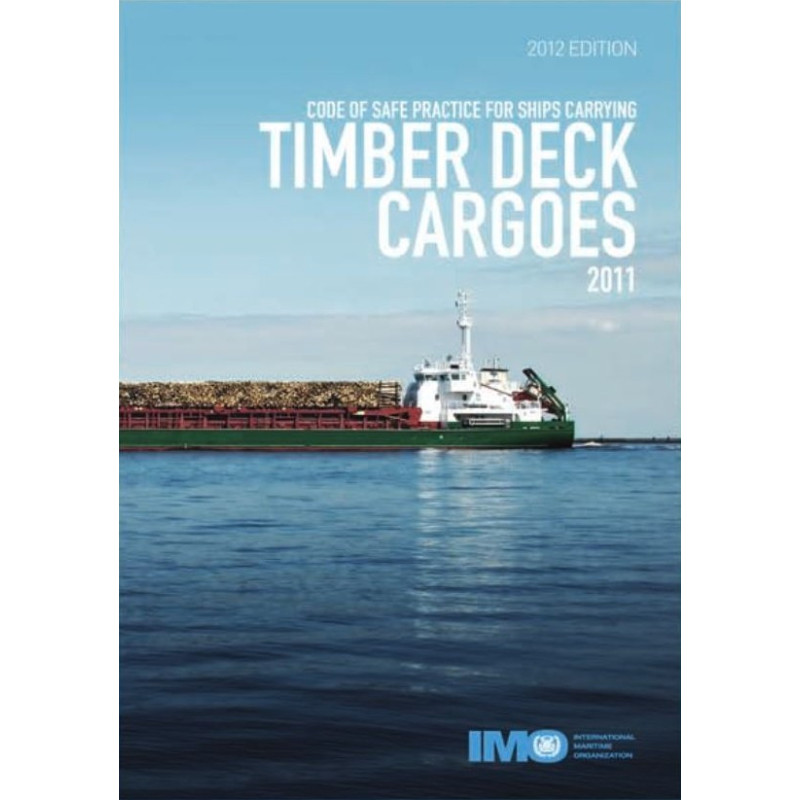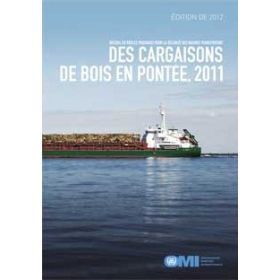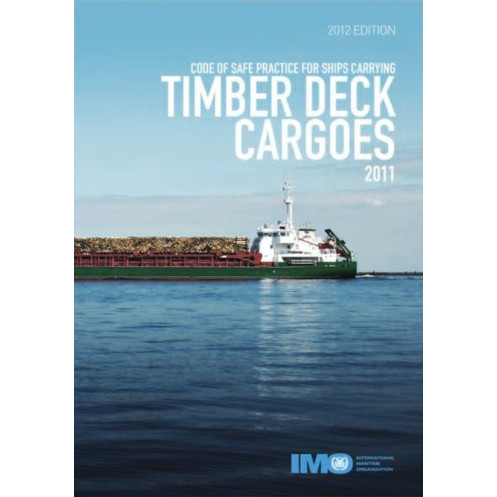




Upgrade safety and compliance with the 2011 Code of Safe Practice for Ships Carrying Timber Deck Cargoes. This guide provides key guidelines for secure timber stowage on vessels 24m or longer.
Data sheet
Specific References
The Code of Safe Practice for Ships Carrying Timber Deck Cargoes is a critical resource for maritime professionals involved in the transportation of timber on deck. Updated in 2011 under IMO Assembly Resolution A.1048(27), this non-mandatory code provides comprehensive guidelines to ensure the safe stowage and securing of timber deck cargoes. Designed for vessels of 24 meters or more, it addresses the unique challenges of preventing cargo shifts during voyages, incorporating modern principles of acceleration forces and alternative design arrangements. This publication is indispensable for maintaining operational safety and compliance in the maritime industry.
This code is tailored to meet the needs of a wide range of maritime stakeholders, including shipowners, charterers, operators, seafarers, port industries, shippers, and regulatory bodies. By offering rational and safe loading and securing arrangements, it minimizes risks associated with timber deck cargoes, such as structural stress, instability, and potential loss of cargo. The guidelines are based on decades of maritime expertise and have been refined to reflect the latest advancements in cargo handling and vessel design, ensuring that operations remain efficient and secure.
Replacing the earlier 1991 code (A.715(17)), the 2011 edition of the Code of Safe Practice for Ships Carrying Timber Deck Cargoes incorporates contemporary best practices and technological insights. It serves as a trusted reference for designing, implementing, and monitoring timber deck cargo operations. Whether for routine voyages or complex logistical challenges, this publication equips maritime professionals with the knowledge needed to uphold the highest standards of safety and operational integrity.
Available in a convenient printed format, this publication is crafted for ease of use in both office and onboard settings. Its clear and structured presentation ensures that critical information is readily accessible, supporting quick decision-making and compliance with international maritime safety standards. As a non-mandatory but highly recommended resource, it plays a pivotal role in fostering safer and more efficient maritime operations worldwide.
Enhance Maritime Safety with the Latest Timber Deck Cargo Guidelines
The Code of Safe Practice for Ships Carrying Timber Deck Cargoes is the definitive resource for ensuring the safe and efficient transport of timber on deck. Adopted in 2011 under IMO Resolution A.1048(27), this updated code replaces the 1991 version, offering modernized guidelines tailored to vessels of 24 meters or more. It provides a robust framework for preventing cargo shifts, incorporating advanced principles of acceleration forces and alternative design solutions to safeguard both crew and cargo during voyages.
Trusted by Maritime Professionals Worldwide
This publication is an essential tool for a broad spectrum of maritime stakeholders, including shipowners, charterers, operators, seafarers, port authorities, and regulatory bodies. By addressing the unique challenges of timber deck cargoes, it ensures compliance with international safety standards while optimizing operational efficiency. The code’s practical recommendations are grounded in decades of industry expertise, making it a reliable reference for both routine and complex maritime operations.
Designed for Practicality and Accessibility
Available in a printed format, this publication is engineered for ease of use in both office and onboard environments. Its dimensions of 8.25 x 6.00 x 0.25 inches and lightweight design (0.35 lb) make it a portable and convenient resource. The 2012 edition, published in English, ensures that critical safety guidelines are accessible to maritime professionals globally, supporting informed decision-making and adherence to best practices.
The Code of Safe Practice for Ships Carrying Timber Deck Cargoes is a printed publication in English, weighing 0.35 lb and measuring 8.25 x 6.00 x 0.25 inches. Adopted in 2011 under IMO Resolution A.1048(27), it updates the 1991 code (A.715(17)) and applies to vessels of 24 meters or more carrying timber deck cargoes. The 2012 edition focuses on safe stowage and securing practices to prevent cargo shifts, incorporating modern principles of acceleration forces and alternative design arrangements.
With a long-standing reputation in the maritime industry, the publisher of this code is a leading international organization dedicated to setting global standards for maritime safety, security, and environmental performance. Their publications are widely recognized as authoritative references, trusted by professionals across the shipping, regulatory, and port sectors to ensure compliance and operational excellence.
The latest edition is from 2012, adopted in November 2011 under resolution A.1048(27). It updates the previous 1991 code.
It applies to all ships measuring 24 meters or more in length that carry timber deck cargoes.
No, this code is non-mandatory but provides recommended safe practices for loading and securing timber deck cargoes.
The printed version measures 8.25 x 6.00 x 0.25 inches (depth x height x width) and weighs 0.35 lb.
Yes, a digital version is available, but it is locked for use on the publisher’s e-reader only.
It is intended for shipowners, charterers, operators, seafarers, port industries, shippers, pre-packaging organizations, administrations, manufacturers, and designers.
The ISBN for this publication is 9789280115499.
You might also like