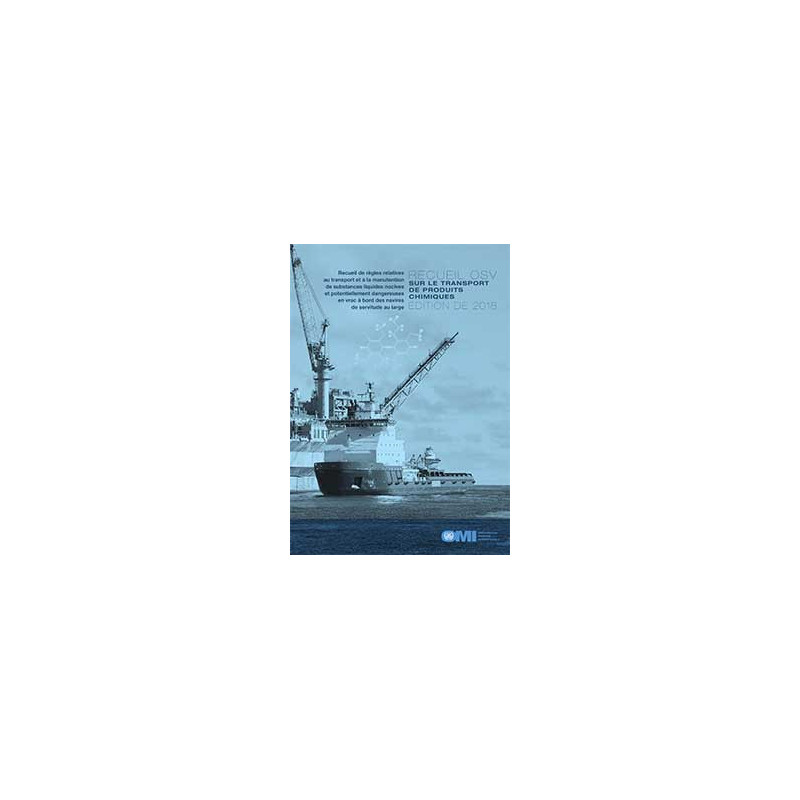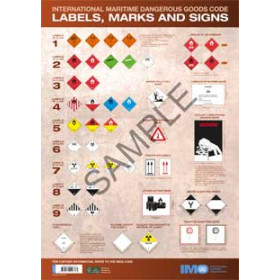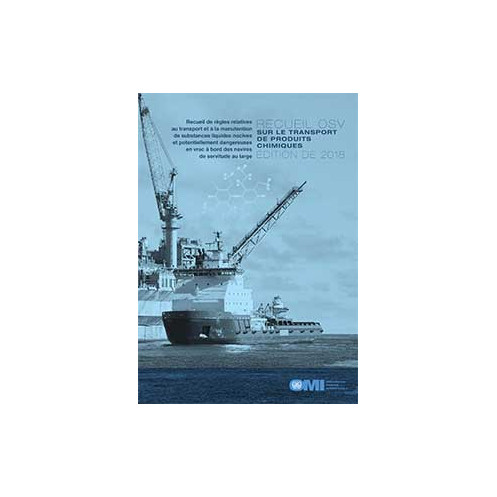



Ensure safe transport and handling of limited quantities of harmful liquid substances in bulk with these essential offshore support vessel guidelines. Compliant with MARPOL Annex II regulations.
Data sheet
Specific References
Navigate the complexities of transporting noxious liquid substances in bulk with confidence. This official publication provides the latest guidelines for handling limited quantities of hazardous liquids onboard offshore support vessels. Designed to ensure safety, regulatory compliance, and operational efficiency, it serves as a critical resource for maritime professionals tasked with managing chemical cargo in challenging offshore environments.
Developed under Regulation 11(2) of MARPOL 73/78 Annex II, these guidelines offer a specialized alternative to the IBC and IGC Codes for offshore support vessels. They establish clear protocols for the stowage, handling, and emergency response procedures for noxious liquid substances, ensuring that operations meet international maritime safety standards. The directives are tailored to address the unique risks associated with transporting hazardous materials in bulk, providing a structured approach to risk mitigation.
Adopted by the IMO Assembly through Resolution A.673(16) in 1989, these guidelines have been refined over time to reflect evolving industry practices and technological advancements. Key amendments introduced by Resolutions MEPC.158(55) in 2006 and MSC.236(82) in 2006 enhance their applicability, ensuring alignment with current maritime regulations. This publication is an indispensable tool for shipowners, operators, and crew members who must adhere to stringent international requirements while maintaining operational flexibility.
Whether you are involved in vessel operations, cargo handling, or regulatory compliance, this guide delivers actionable insights to optimize safety and efficiency. It covers essential topics such as cargo compatibility, ventilation requirements, and spill response strategies, providing a clear roadmap for managing noxious liquid substances in bulk. By integrating these guidelines into your operations, you can minimize risks, avoid costly penalties, and uphold the highest standards of maritime safety.
As an official IMO publication, this document carries the authority of the International Maritime Organization, making it a trusted reference for industry professionals worldwide. Its structured format and detailed instructions ensure that users can quickly access the information they need to make informed decisions. Whether used for training, operational planning, or compliance audits, this guide is an invaluable asset for anyone involved in the transport of hazardous liquids in the offshore sector.
Ensure Compliance and Safety with IMO 289F – Guidelines for Offshore Chemical Transport
Transporting noxious liquid substances in bulk onboard offshore support vessels demands precision, expertise, and adherence to international regulations. The IMO 289F publication delivers the official guidelines for handling limited quantities of hazardous liquids, providing a specialized framework that aligns with MARPOL 73/78 Annex II requirements. This essential resource bridges the gap between general maritime codes and the unique challenges of offshore operations, offering a tailored solution for vessels that do not fall under the IBC or IGC Codes.
Developed by the International Maritime Organization for Real-World Applications
Adopted in 1989 and updated through key resolutions in 2006, these guidelines reflect decades of maritime safety advancements. They address critical aspects of chemical transport, including cargo compatibility, stowage requirements, and emergency response protocols. By following these directives, maritime professionals can mitigate risks, prevent environmental contamination, and ensure seamless compliance with global standards. The publication is available in a durable paperback format, weighing 1.8 kg, making it a practical and accessible reference for onboard use.
Designed for Offshore Support Vessels and Specialized Operations
Unlike broader maritime codes, the IMO 289F guidelines focus specifically on the transport of limited quantities of noxious liquid substances in bulk. This targeted approach ensures that offshore support vessels, which often operate in dynamic and high-risk environments, have clear and actionable protocols. The guidelines cover everything from ventilation requirements to spill containment strategies, empowering crews to handle hazardous materials safely and efficiently. Whether for routine operations or emergency scenarios, this publication provides the knowledge needed to maintain operational integrity.
A Vital Tool for Regulatory Compliance and Operational Excellence
In an industry where non-compliance can result in severe penalties and environmental harm, the IMO 289F guidelines serve as a cornerstone for safe and lawful operations. By integrating these directives into vessel management systems, operators can demonstrate their commitment to maritime safety and environmental protection. The publication is not just a regulatory requirement—it is a strategic asset that enhances operational efficiency, reduces liability, and fosters trust among stakeholders. Available in French, it ensures accessibility for maritime professionals across Francophone regions.
This official IMO publication provides the latest guidelines for transporting and handling limited amounts of noxious liquid substances in bulk onboard offshore support vessels. Available in a paperback format, the document weighs 1.8 kg and is published in French. It includes updated directives adopted by the IMO Assembly and amended through key resolutions in 2006, ensuring alignment with current maritime safety standards.
With a legacy of shaping global maritime standards, the organization behind this publication is a leading authority in international shipping regulations. Its guidelines and codes are recognized worldwide for their role in enhancing safety, environmental protection, and operational efficiency across the maritime industry. This publication reflects decades of expertise and a commitment to providing actionable resources for professionals navigating complex regulatory landscapes.
These guidelines comply with the provisions of regulation 11(2) of Annex II of MARPOL 73/78, offering an alternative to the IBC and IGC codes for offshore support vessels.
The latest amendments were adopted by resolution MEPC.158(55) on October 13, 2006, and by resolution MSC.236(82) on December 1, 2006.
Currently, this publication is only available in French.
The printed version weighs 1.8 kg.
Yes, a digital version is available in a locked format, readable with the free reader provided.
These guidelines apply to offshore support vessels transporting limited quantities of liquid substances in bulk.
You might also like