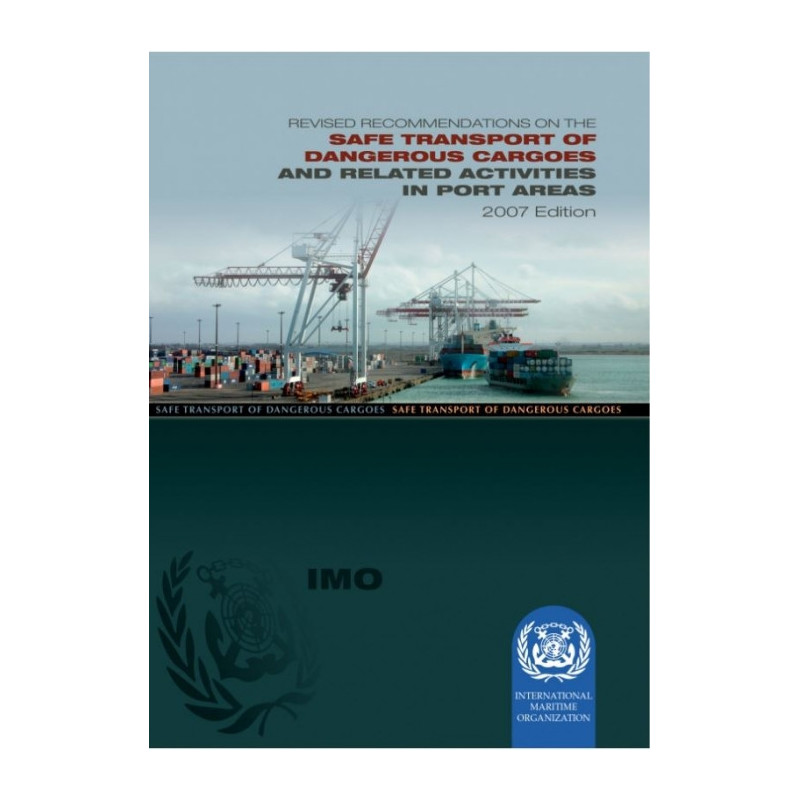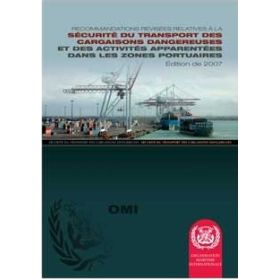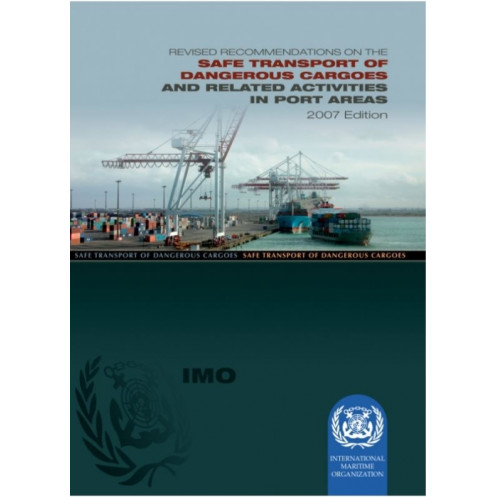



OMI - IMO290Ee - Revised Recommendations on the Safe Transport of Dangerous Cargo and Related Activities in Port Areas
search
  • googlemap
  • OMI - IMO290Ee - Revised Recommendations on the Safe Transport of Dangerous Cargo and Related Activities in Port Areas

IMO - 290Ee - Revised Recommendations on the Safe Transport of Dangerous Cargo and Related Activities in Port Areas

€34.20
Tax included
OMI
Chart or book in digital version In English language
Book programmed to order
Estimated preparation time: 0 to 3 days

2007 digital edition of revised recommendations for safe transport of dangerous cargo in ports. Covers packed goods, bulk liquids, solids, and gases, aligned with IMDG Code and IMO standards.

IMO290Ee

Data sheet

On what digital medium is this nautical chart / book stored?
digital medium
download
Picto
Chart or book in digital version
In English language

Specific References

UPC
400000010700
EAN13
4000000024897
New
Book programmed to order
Description détaillée

IMO - 290Ee - Revised Recommendations on the Safe Transport of Dangerous Cargo and Related Activities in Port Areas

Publication in English
Digital edition

Comprehensive Guidelines for Safe Handling of Dangerous Goods in Ports

This essential publication provides updated recommendations for the safe transport, handling, and storage of dangerous cargo in port areas. Designed to align with the IMDG Code and other key IMO standards, it ensures compliance with international regulations while enhancing operational safety. Whether dealing with packaged goods, bulk liquids, solids, or liquefied gases, these guidelines offer a structured approach to managing risks in port environments. The digital format allows for easy access and quick reference, making it an indispensable tool for maritime professionals.

Alignment with International Maritime Standards

The revised recommendations are fully harmonized with the latest IMO codes, particularly the IMDG Code, ensuring consistency between shipboard and port operations. This alignment minimizes misunderstandings and streamlines workflows, reducing the potential for accidents or regulatory violations. By integrating these guidelines, port authorities and shipping companies can maintain compliance while improving efficiency in cargo handling and emergency response procedures.

Key Definitions and Operational Directives

The publication includes clear definitions and operational directives tailored to port facilities. It distinguishes between temporary storage (handling) and long-term storage, clarifying responsibilities and procedures for different types of dangerous cargo. Emergency protocols are also detailed, providing step-by-step guidance for responding to incidents involving hazardous materials. A non-exhaustive glossary in Annex 1 further supports understanding and implementation.

Evolution of Safety Standards in Port Operations

Originally introduced in 1973, these recommendations have evolved to address advancements in cargo handling techniques and the growing complexity of maritime logistics. The 2007 revision incorporates best practices for packaged dangerous goods, bulk liquids, solids, and liquefied gases, reflecting the latest industry developments. This ensures that port operations remain safe, efficient, and compliant with global maritime safety standards.

Digital Accessibility for Maritime Professionals

Available in a convenient digital format, this publication is easily accessible to port authorities, shipping companies, and regulatory bodies. The 136-page document is designed for quick navigation, allowing users to reference critical information without delay. Its digital nature also facilitates updates and revisions, ensuring that users always have access to the most current guidelines.

Enhance Port Safety with Updated IMO Recommendations for Dangerous Cargo
Ensure compliance and operational efficiency with the *Revised Recommendations on the Safe Transport of Dangerous Cargo and Related Activities in Port Areas*. This digital publication, published in 2007, provides a comprehensive framework for managing hazardous materials in port environments, aligning with the IMDG Code and other IMO standards. Covering everything from packaged goods to bulk liquids and liquefied gases, it offers clear guidelines for safe handling, emergency response, and regulatory adherence.

Streamlined Operations Through Harmonized Standards
One of the key strengths of this publication is its alignment with international maritime regulations, particularly the IMDG Code. By harmonizing port and shipboard procedures, it eliminates discrepancies that could lead to accidents or delays. The guidelines include detailed definitions, operational directives, and emergency protocols, ensuring that all stakeholders—from port authorities to shipping companies—can maintain consistent and safe practices.

Digital Convenience for Modern Maritime Professionals
Available in a digital format, this 136-page publication is designed for quick and easy access. Its user-friendly structure allows maritime professionals to reference critical information on demand, whether for training, compliance checks, or emergency response planning. The digital edition also ensures that users can stay up-to-date with the latest revisions, making it a reliable resource for long-term use.

This digital publication, released in January 2007, spans 136 pages and is available in English. It features a standard paperback format with dimensions of 250 mm in height and 210 mm in width, optimized for both digital and print reference. Published by the International Maritime Organization (IMO), it is presented in a new, pristine condition, ensuring clarity and readability for all users.

With a long-standing reputation in maritime safety and regulation, the publisher behind this publication is a leading authority in the development of international standards for the shipping industry. Their work ensures the safe and efficient transport of goods across global waters, providing essential guidelines that protect both personnel and the environment.

  • This publication offers unparalleled guidance for managing dangerous cargo in port areas, ensuring compliance with the latest IMO standards.
  • Its digital format provides instant access to critical information
  • while its alignment with the IMDG Code and other regulations streamlines operations and reduces risks.
  • The inclusion of emergency protocols, operational directives, and a glossary makes it an indispensable resource for maritime professionals seeking to enhance safety and efficiency in port environments.
What types of dangerous cargo are covered in these recommendations?

The recommendations cover the safe transport, handling, and related activities of packaged goods, bulk liquids and solids, and liquefied gases in port areas.

Are these recommendations aligned with any specific international standards?

Yes, they are aligned with the IMDG Code and other relevant IMO standards to ensure harmonized operations between ships and port facilities.

What emergency procedures are included in this publication?

The publication provides guidelines for emergency procedures in port areas, including response measures for incidents involving dangerous cargo.

Is there a distinction between storage and handling in the recommendations?

Yes, the term 'storage' refers to long-term holding, while 'handling' includes temporary retention of dangerous goods within the transport chain in port areas.

Does this edition include a glossary of terms?

Yes, a non-exhaustive glossary is provided in Annex 1 to clarify key terms related to the safe transport of dangerous cargo.

What are the dimensions of the printed version of this publication?

The printed version measures 250 mm in height and 210 mm in width.

Loading...