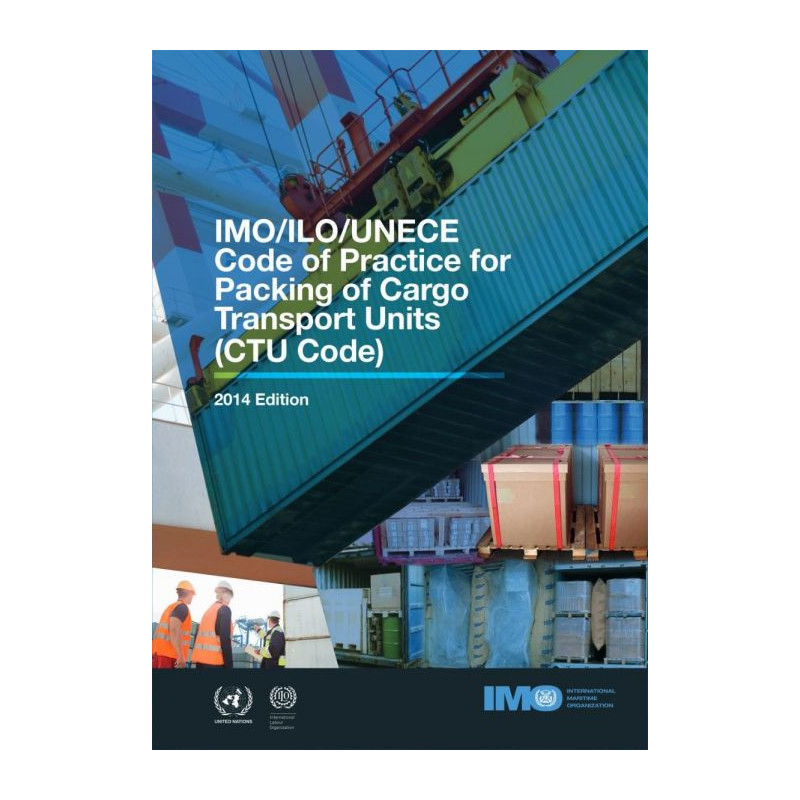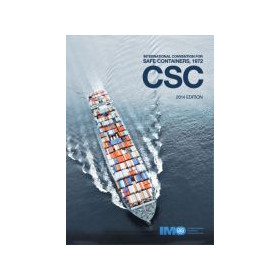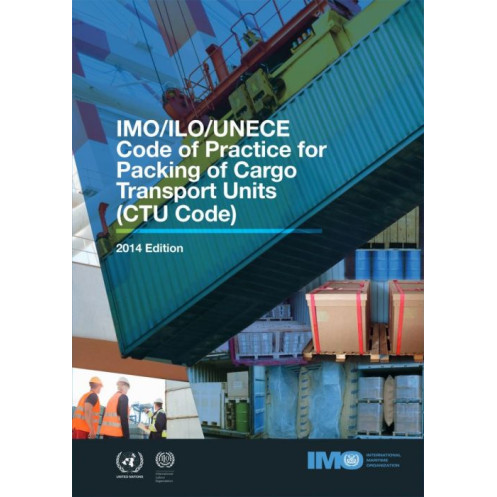





The 2014 IMO/ILO/UNECE CTU Code offers critical packing guidelines for cargo transport units. A vital digital resource for shippers and operators to ensure safety and compliance in freight logistics.
Data sheet
Specific References
The IMO/ILO/UNECE Code of Practice for Packing of Cargo Transport Units (CTU Code) is the definitive resource for professionals involved in the secure packing and transportation of goods. Developed collaboratively by the International Maritime Organization (IMO), International Labour Organization (ILO), and United Nations Economic Commission for Europe (UNECE), this code sets the global standard for safe cargo handling in intermodal transport. Whether you're a shipper, freight forwarder, or logistics operator, this publication provides the essential framework to minimize risks, prevent accidents, and ensure compliance with international regulations.
This digital publication is tailored for industry experts who require precise, actionable guidance on packing cargo transport units (CTUs) such as freight containers, swap bodies, and trailers. It covers both theoretical principles and practical procedures, addressing the complexities of modern cargo transport, including the handling of heavy, oversized, or hazardous loads. By following the CTU Code, professionals can enhance operational safety, reduce cargo damage, and improve efficiency across the supply chain.
The 2014 edition of the CTU Code represents a significant evolution from the 1997 guidelines, incorporating advancements in cargo transport technology and best practices. Approved by the UNECE, IMO, and ILO between 2014 and 2016, this version reflects a three-year revision process (2011-2013) to address emerging challenges in intermodal logistics. With 143 pages of detailed instructions, it serves as an indispensable tool for training, compliance, and day-to-day operations in the maritime and freight industries.
Available as a secure digital e-book, the CTU Code is designed for easy access and reference. Compatible with the free IMO e-reader, this format ensures that professionals can consult the guidelines anytime, anywhere. The digital version also supports efficient updates, allowing users to stay current with the latest industry standards. While the primary language is English, the code is also available in French and Spanish, catering to a global audience.
In an industry where safety and efficiency are paramount, the CTU Code provides a unified approach to cargo packing that aligns with international regulations. By adhering to these guidelines, businesses can avoid costly incidents, such as cargo shifts, container collapses, or regulatory penalties. Whether you're involved in shipping, logistics, or training, this publication is a critical resource for maintaining high standards in cargo transport operations.
Essential Compliance Resource for Global Cargo Transport
The IMO/ILO/UNECE Code of Practice for Packing of Cargo Transport Units (CTU Code) is the cornerstone of safe and efficient cargo handling in intermodal transport. This 2014 edition, developed by three leading international organizations, delivers a robust framework for packing, securing, and transporting goods in freight containers, swap bodies, and trailers. With 143 pages of expert guidance, it addresses the complexities of modern logistics, from heavy and oversized loads to hazardous materials, ensuring compliance with global maritime and labor standards.
Developed by Industry Authorities
Approved by the United Nations Economic Commission for Europe (UNECE), International Maritime Organization (IMO), and International Labour Organization (ILO), this code reflects a collaborative effort to enhance safety and efficiency in cargo transport. The 2014 edition replaces the 1997 guidelines, incorporating advancements in cargo handling technology and best practices. Its adoption by these organizations underscores its authority and relevance in the maritime and logistics sectors.
Digital Accessibility for Modern Professionals
Available as a secure digital e-book, the CTU Code is designed for convenience and accessibility. Compatible with the free IMO e-reader, this format allows professionals to reference the guidelines on-the-go, ensuring compliance and safety in real-time operations. The digital version also facilitates quick updates, keeping users aligned with the latest industry developments. While the primary language is English, the code is also available in French and Spanish, making it a versatile tool for global operations.
Practical Guidance for Real-World Challenges
The CTU Code provides both theoretical and practical insights into cargo packing, addressing the unique challenges of intermodal transport. It covers critical topics such as load distribution, securing methods, and risk assessment, offering actionable solutions for professionals responsible for loading and transporting goods. By following these guidelines, businesses can minimize cargo damage, prevent accidents, and streamline their logistics operations.
The IMO/ILO/UNECE Code of Practice for Packing of Cargo Transport Units (CTU Code) is a 143-page digital publication in English, published in 2014 and made available in June 2016. Developed by the IMO, ILO, and UNECE, this edition replaces the 1997 guidelines and was approved during key sessions in 2014. It is compatible with the free IMO e-reader and is also available in French and Spanish. The code is referenced under MSC.1/Circ.1497 and serves as a critical resource for professionals in maritime and logistics industries.
With a legacy of providing authoritative publications for the maritime industry, this organization is a trusted source for compliance resources and operational guidelines. Their digital publications are designed to support professionals in navigating complex regulations and enhancing safety in global transport operations.
The 2014 edition provides updated and detailed guidance on packing and securing cargo in transport units, incorporating advancements in cargo types and addressing both theoretical and practical aspects for safer intermodal transport, unlike the 1997 guidelines.
Yes, the digital version requires a free dedicated e-reader to access the locked content.
The publication contains 143 pages.
The digital version was officially released in June 2016.
Yes, the publication is also available in French and Spanish.
The reference for the emission of this edition is MSC.1/Circ.1497.
It is intended for shippers, trainers, and operators responsible for loading cargo transport units.
You might also like