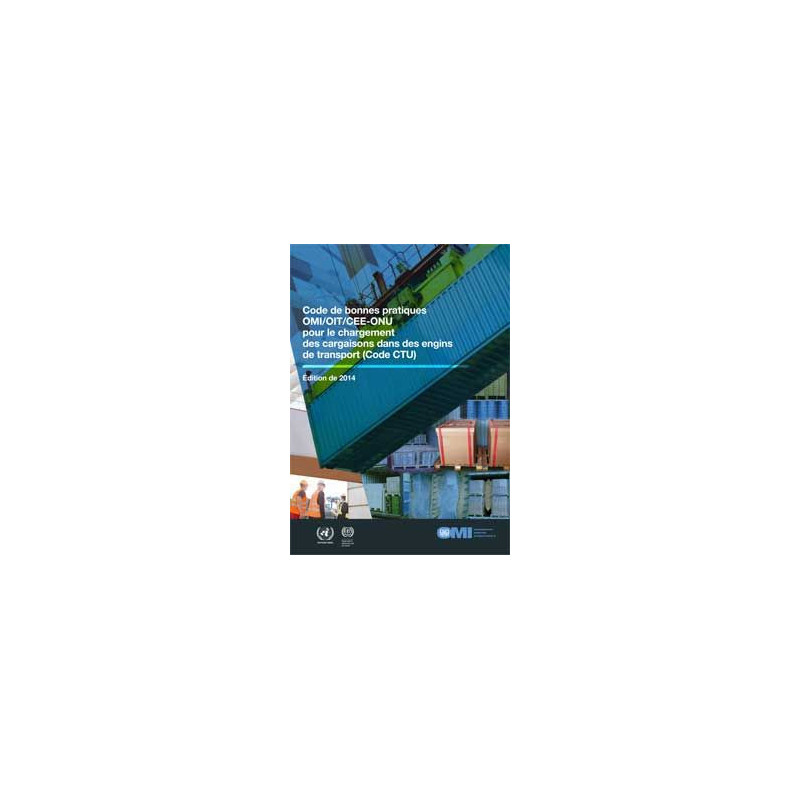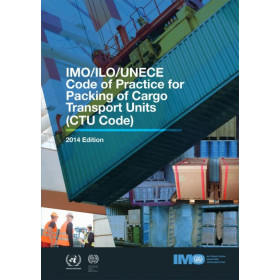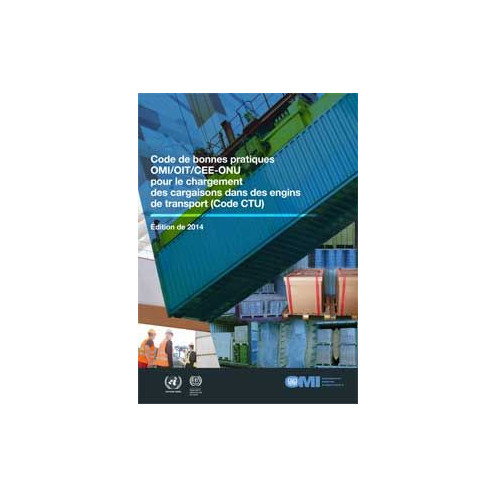



OMI - IMO284Fe - Code de bonnes pratiques OMI/OIT/CEE-ONU pour le chargement des cargaisons dans des engins de transport (Code C
search
  • googlemap
  • OMI - IMO284Fe - Code de bonnes pratiques OMI/OIT/CEE-ONU pour le chargement des cargaisons dans des engins de transport (Code C

OMI - 284Fe - Code de bonnes pratiques OMI/OIT/CEE-ONU pour le chargement des cargaisons dans des engins de transport (Code C

€57.65
Tax included
OMI
Chart or book in digital version In French language
Book programmed to order
Estimated preparation time: 0 to 3 days

The go-to digital guide for safe cargo loading and securing in containers, vehicles, and transport units. Ensures compliance and minimizes risks in road, rail, and sea transport.

IMO284Fe

Data sheet

On what digital medium is this nautical chart / book stored?
digital medium
download
Picto
Chart or book in digital version
In French language

Specific References

UPC
400000002354
EAN13
4000000001331
New
Book programmed to order
Description détaillée

IMO/ILO/UNECE Code of Practice for Packing Cargo Transport Units (CTU Code) – Digital French Edition

Work in French
Digital version

Essential Compliance for Safe Cargo Handling

The IMO/ILO/UNECE Code of Practice for Packing Cargo Transport Units (CTU Code) is the definitive global standard for safe cargo loading and securing. Designed for professionals in the maritime, logistics, and intermodal transport sectors, this digital French edition provides comprehensive, actionable guidance to minimize risks to personnel, cargo, and transport equipment. Whether you’re involved in container packing, road transport, rail logistics, or maritime shipping, this code ensures compliance with best practices across the entire supply chain.

Practical Guidance for Intermodal Transport Safety

This digital publication delivers step-by-step instructions for loading, securing, and unloading cargo in transport units such as containers, swap bodies, and vehicles. It covers critical aspects of cargo handling, including weight distribution, lashing techniques, and risk assessment, ensuring stability and safety throughout multimodal journeys. The CTU Code is particularly valuable for operators dealing with hazardous materials, offering specialized protocols to prevent accidents, spills, and structural failures during transit.

Designed for Industry Professionals

Tailored for cargo planners, freight forwarders, port operators, and maritime safety inspectors, this code bridges the gap between regulatory requirements and real-world application. It replaces the 1997 OMI/ILO/UNECE-ONU guidelines with updated methodologies, reflecting advancements in transport technology and safety standards. By integrating these practices, professionals can enhance operational efficiency while reducing liability and insurance risks associated with improper cargo handling.

Secure, Accessible Digital Format

Available as a locked digital file, this edition is optimized for use with the free IMO reader, ensuring secure access and easy reference. The 153-page document is structured for quick navigation, allowing users to locate specific guidelines on cargo securing, equipment requirements, and compliance checks. Its digital format eliminates the need for physical storage, making it ideal for teams working in dynamic environments like ports, warehouses, and transport hubs.

Global Standard for Training and Operations

While not legally binding, the CTU Code is widely recognized as the benchmark for training programs and operational protocols in the transport industry. It supports compliance with international regulations, including SOLAS (Safety of Life at Sea) and IMDG (International Maritime Dangerous Goods) codes, making it indispensable for organizations prioritizing safety and regulatory adherence. By adopting these practices, businesses can demonstrate their commitment to industry-leading standards and reduce the likelihood of costly incidents.

Master Cargo Safety with the IMO/ILO/UNECE CTU Code – Digital French Edition
Ensure compliance and operational excellence with the digital French edition of the IMO/ILO/UNECE Code of Practice for Packing Cargo Transport Units (CTU Code). This essential resource provides a comprehensive framework for safe cargo handling, addressing the unique challenges of intermodal transport—from road and rail to maritime shipping. Designed for professionals who demand precision and reliability, this code delivers practical solutions to prevent accidents, cargo damage, and regulatory violations across the global supply chain.

Engineered for Real-World Application
Unlike generic guidelines, the CTU Code offers detailed, scenario-based instructions tailored to the complexities of modern logistics. It covers critical aspects such as load distribution, securing techniques, and risk mitigation for hazardous materials, ensuring stability and safety in every transport unit—whether containers, swap bodies, or vehicles. With 153 pages of expert-validated content, this digital edition replaces the outdated 1997 directives, incorporating the latest advancements in transport technology and safety protocols. Its locked format, accessible via the free IMO reader, guarantees secure, portable access for teams in ports, warehouses, and transport hubs.

Trusted by Industry Leaders
Developed collaboratively by the International Maritime Organization (IMO), International Labour Organization (ILO), and United Nations Economic Commission for Europe (UNECE), the CTU Code is the gold standard for cargo safety. While non-mandatory, it aligns with international regulations like SOLAS and IMDG, making it a cornerstone for training programs and operational audits. By integrating these best practices, organizations can reduce liability, lower insurance costs, and enhance their reputation for safety and compliance. Whether you’re a cargo planner, freight forwarder, or maritime inspector, this code equips you with the tools to navigate the challenges of global trade with confidence.

This digital edition of the IMO/ILO/UNECE CTU Code features a locked, 153-page format optimized for secure access via the free IMO reader. Published in January 2016, it updates the 1997 guidelines with modern safety protocols for intermodal transport. Available exclusively in French, this version is designed for professionals requiring precise, actionable guidance on cargo loading, securing, and compliance in containers, vehicles, and other transport units.

With a legacy of setting global maritime standards, the publisher behind this code is a leading authority in transport safety and regulatory compliance. Collaborating with international organizations, it develops resources that bridge the gap between industry best practices and real-world application, ensuring professionals have access to the most reliable and up-to-date guidelines for safe cargo handling.

  • Its digital format ensures instant, secure access to critical safety guidelines, eliminating the need for physical storage while supporting compliance with international regulations.
  • The code’s detailed, scenario-based instructions minimize risks of cargo damage, accidents, and regulatory violations, making it an indispensable tool for operational efficiency.
  • By adopting these best practices, organizations can reduce liability, enhance training programs, and demonstrate their commitment to industry-leading safety standards, all while streamlining workflows in dynamic environments like ports and warehouses.
What software is required to read this digital publication?

The digital publication is locked and can only be read using the free reader provided by the issuing organization.

Is this code mandatory for cargo loading operations?

No, this code is not mandatory but serves as a global reference for training and safe loading, unloading, and securing of cargo, including dangerous goods.

What types of transport does this code cover?

It covers cargo loading and securing practices across the intermodal transport chain, including road, rail, and sea transport.

How many pages does the French version contain?

The French version contains 153 pages.

What is the publication date of this edition?

This edition was published in January 2016, though the content is based on the 2014 version.

Does this code replace the 1997 OMI/OIT/CEE-ONU guidelines?

Yes, this code updates and replaces the previous 1997 OMI/OIT/UNECE guidelines for cargo loading and securing.

Loading...