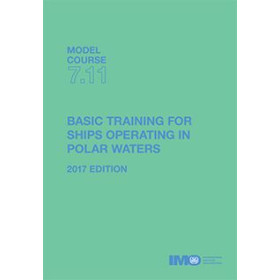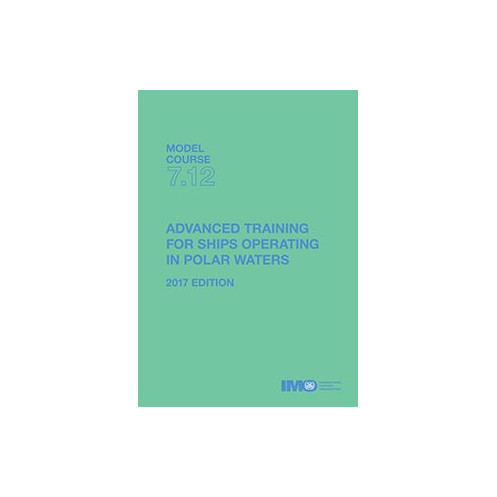





Equip your crew for polar waters with this advanced training course. Focuses on ice navigation, emergency response, and pollution prevention in extreme conditions.
Data sheet
Specific References
Master the complexities of polar shipping with this advanced training course, designed specifically for maritime professionals navigating the world’s most extreme environments. Operating in polar waters demands specialized knowledge beyond standard maritime training, and this model course delivers the critical expertise required to ensure safety, compliance, and environmental protection in ice-covered regions. From ice navigation techniques to emergency response strategies, this publication equips officers with the skills needed to tackle the unique hazards of polar operations.
While SOLAS and MARPOL set the foundation for maritime safety and pollution prevention, polar waters introduce additional challenges that require tailored solutions. This course addresses the supplementary regulations and best practices for ships operating in these high-risk areas, including the Polar Code’s mandatory provisions. It covers ice classification, vessel stability in icy conditions, and the operational limitations imposed by extreme cold, ensuring compliance with international standards while mitigating risks associated with polar navigation.
Navigating through ice-infested waters requires a deep understanding of ice dynamics, vessel maneuvering, and risk assessment. This training provides in-depth coverage of ice detection methods, route planning in ice-covered seas, and the use of ice charts and forecasting tools. Additionally, it emphasizes environmental stewardship, detailing measures to prevent pollution in fragile polar ecosystems, such as oil spill response protocols and waste management strategies tailored to sub-zero conditions.
Polar environments amplify the consequences of maritime emergencies, from engine failures to hull breaches. This course prepares officers to handle crises with confidence, covering topics such as search and rescue operations in remote areas, survival techniques in extreme cold, and the coordination of multi-vessel responses. It also addresses the logistical challenges of polar operations, including limited infrastructure and delayed assistance, ensuring crews are ready to act decisively when every second counts.
Accessible in a secure digital format, this publication is optimized for use with the free IMO e-Reader, allowing maritime professionals to study and reference critical information anytime, anywhere. Whether preparing for certification or refreshing polar navigation skills, this course serves as an indispensable tool for officers, trainers, and maritime organizations committed to safe and sustainable operations in the Arctic and Antarctic regions.
Unlock the Expertise Needed for Safe and Compliant Polar Shipping Operations
The IMO Model Course 7.12: Advanced Training for Ships Operating in Polar Waters is the definitive resource for maritime professionals tasked with navigating the world’s most challenging environments. Designed to meet the rigorous demands of polar operations, this advanced training course goes beyond conventional maritime education to address the unique hazards of ice-covered waters, extreme weather, and remote locations. It is an essential tool for officers seeking to comply with the Polar Code and other international regulations while ensuring the safety of their crew, vessel, and the fragile polar ecosystems.
Tailored for Officers Facing the Harshest Maritime Conditions
This course is specifically developed for deck officers and maritime professionals who require specialized knowledge to operate ships in polar regions. It covers critical topics such as ice navigation, vessel stability in icy conditions, and the operational limitations imposed by sub-zero temperatures. With a focus on practical application, the training ensures that officers are prepared to make informed decisions in real-time, whether planning routes through ice-infested waters or responding to emergencies in isolated areas. The 2017 edition reflects the latest advancements in polar shipping, making it a current and reliable resource for modern maritime operations.
Comprehensive Coverage of Polar-Specific Regulations and Best Practices
While SOLAS and MARPOL provide the foundation for maritime safety and environmental protection, polar waters introduce additional complexities that demand specialized training. This model course delves into the supplementary requirements for polar operations, including the mandatory provisions of the Polar Code. It addresses ice classification, vessel design considerations, and the unique challenges of maintaining stability and maneuverability in icy conditions. By integrating these advanced concepts, the course ensures that officers are not only compliant with international standards but also equipped to handle the unpredictable nature of polar environments.
Environmental Stewardship and Emergency Response in Extreme Conditions
Operating in polar regions carries a heightened responsibility to protect the environment, and this course emphasizes pollution prevention and response strategies tailored to sub-zero conditions. It covers oil spill containment, waste management, and the use of environmentally safe practices to minimize the impact of shipping on delicate ecosystems. Additionally, the training prepares officers for emergencies unique to polar waters, such as ice-induced hull damage, engine failures, and search and rescue operations in remote areas. With detailed guidance on crisis management, this course ensures that crews are ready to act swiftly and effectively when faced with adversity.
Optimized for Digital Learning and On-the-Go Reference
Available in a secure digital format, this publication is designed for modern maritime professionals who need flexible access to critical information. Compatible with the free IMO e-Reader, it allows officers to study, reference, and review key concepts at their convenience, whether on board or ashore. The digital version ensures that the latest updates and best practices are always at hand, making it an invaluable resource for continuous learning and professional development in polar navigation.
This advanced training course is available in a digital format, ensuring easy access and portability for maritime professionals. Published in January 2017, the 2017 edition spans 62 pages and is written entirely in English. It is compatible with the free IMO e-Reader, allowing users to download, read, and reference the material on various devices. The digital format is secure and optimized for use in both training and operational settings, providing a reliable resource for officers preparing for polar navigation challenges.
With a long-standing reputation as a global leader in maritime safety and regulatory standards, this organization sets the benchmark for training and compliance in the shipping industry. Its publications are trusted by maritime professionals worldwide, providing authoritative guidance on navigation, environmental protection, and operational best practices. Known for its commitment to advancing maritime safety, this entity plays a pivotal role in shaping the future of polar shipping through comprehensive training resources and international regulations.
The training includes advanced modules on polar climatic conditions, ice navigation techniques, maritime safety protocols in extreme environments, emergency response strategies, and pollution prevention measures specific to Polar waters.
The digital version is designed to be read using the free IMO e-reader software and is not universally compatible with all e-reader devices.
The course is structured into focused sections covering ice management, operational safety, emergency procedures, and environmental protection, with practical scenarios and guidelines for real-world application in Polar waters.
While not explicitly stated, this advanced course is intended for navigation officers who already possess foundational maritime training and experience, particularly in standard SOLAS and MARPOL compliance.
The digital version is locked and intended for individual use only. Printing or sharing the content is not permitted under the licensing terms.
The 2017 edition incorporates the latest guidelines and best practices for Polar operations, reflecting advancements in ice navigation technology, safety protocols, and environmental regulations since prior editions.
You might also like