


Explore marine dynamics, hydrodynamics, and ship design principles in this comprehensive reference. Perfect for naval architecture students and practicing engineers seeking expertise.
Data sheet
Specific References
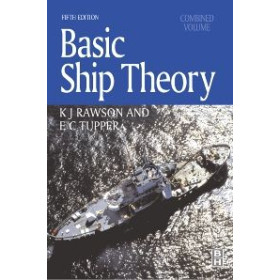
Elevate your expertise in naval architecture with Basic Ship Theory Volume 2
This essential work expands on the foundational concepts introduced in Volume 1, offering a deeper dive into the dynamic aspects of ship design and performance. Ideal for students and professionals, it combines rigorous theoretical analysis with practical insights, making it a must-have for anyone involved in marine engineering or naval architecture. With 374 pages of detailed content, this fifth edition remains the go-to reference for understanding the complexities of ship behavior in real-world conditions.
Master hydrodynamics, maneuverability, and seakeeping
Volume 2 focuses on the critical factors that influence a ship’s performance at sea, including hydrodynamic forces, maneuvering characteristics, and seakeeping abilities. These topics are explored through a blend of mathematical models and practical examples, providing readers with the tools to assess and optimize vessel design. Whether you're analyzing wave resistance or evaluating stability in rough waters, this book equips you with the knowledge to tackle even the most challenging engineering problems.
Real-world applications through case studies
What sets this volume apart is its emphasis on practical application. Through detailed case studies of various ship types, readers gain insight into how theoretical principles are translated into real-world design solutions. These examples not only reinforce learning but also highlight the importance of environmental considerations in modern shipbuilding. By the end of this book, you’ll have a comprehensive understanding of how to design vessels that meet both performance and sustainability standards.
Updated for today’s maritime industry
First published in 1968, the Basic Ship Theory series has evolved alongside advancements in naval architecture. This fifth edition, released in 2001, incorporates the latest industry developments, ensuring that its content remains relevant and authoritative. Whether you're a student pursuing a degree in marine engineering or a seasoned professional looking to refresh your knowledge, this book provides the technical depth and clarity needed to stay ahead in the field.
This fifth edition of Basic Ship Theory Volume 2 is a paperback work in English, featuring 374 pages of in-depth content. Published in 2001, it weighs 1 kg and is designed to be both a comprehensive educational resource and a practical reference for professionals in the maritime industry.
With a legacy spanning decades, this publisher has established itself as a leading authority in maritime and engineering literature. Known for producing high-quality, technically rigorous works, it serves as a trusted source for students, educators, and professionals seeking reliable and up-to-date information in naval architecture and related fields.
This volume delves deeper into dynamic behavior of marine vehicles, hydrodynamics, maneuverability, and seakeeping. It also includes case studies on various ship types and discussions on maritime design.
While it is essential for undergraduate and vocational students in naval architecture and marine engineering, it also serves as a valuable reference for practicing marine engineers and naval architects.
The fifth edition contains 374 pages.
This edition was published in 2001.
Yes, both volumes emphasize the importance of incorporating environmental considerations into maritime design.
The book weighs approximately 1 kilogram.
You might also like