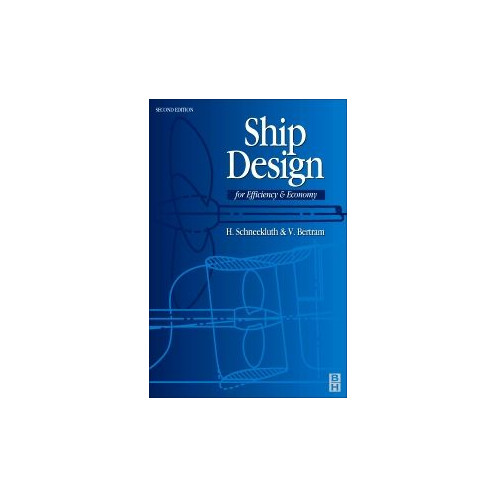



Design cost-effective ships with this updated resource. Packed with CFD techniques, optimization strategies, and real-world applications for naval architects and students.
Data sheet
Specific References
Revolutionize Your Ship Design Approach with Proven Efficiency Strategies
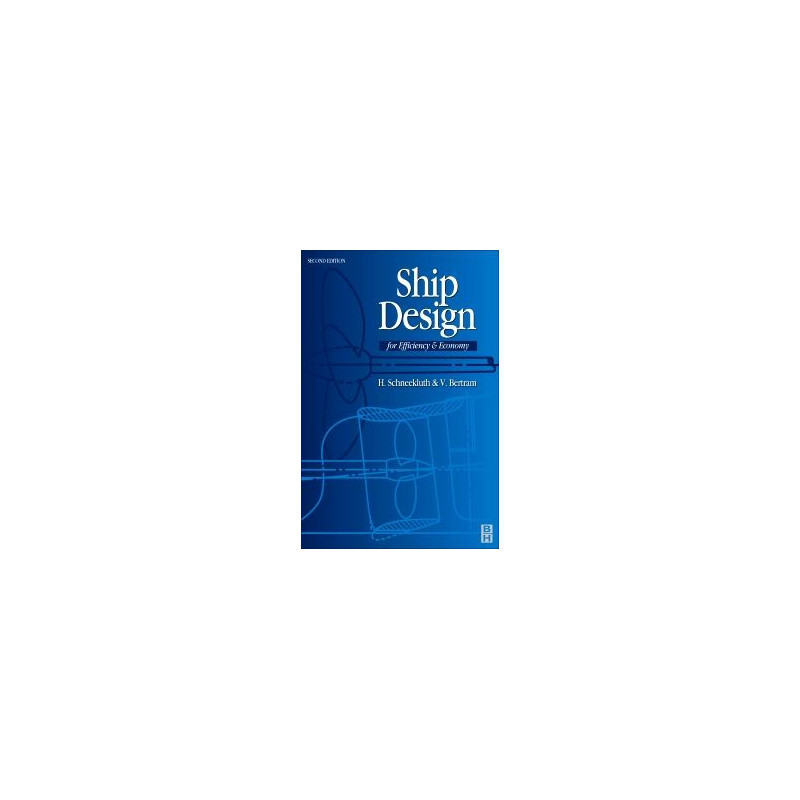
Ship Design for Efficiency and Economy stands as the definitive guide for professionals aiming to create high-performance vessels that deliver measurable cost savings. This second edition, fully revised and updated, distills decades of naval architecture expertise into practical methodologies that address the industry's most pressing challenges: reducing fuel consumption, optimizing hull forms, and maximizing operational profitability. With maritime transport accounting for over 80% of global trade, the ability to design economically efficient ships has never been more critical—and this book provides the roadmap to achieve it.
Engineering Solutions Backed by Data and Real-World Application
At the heart of this resource lies a groundbreaking approach to hull design optimization, featuring a completely rewritten chapter on numerical methods and computational fluid dynamics (CFD). The authors introduce a new resistance prediction model based on modern hull designs, enabling engineers to accurately forecast performance before construction begins. This edition also expands coverage of unconventional propulsion arrangements, giving designers the tools to evaluate innovative solutions that can reduce fuel consumption by up to 20% compared to traditional systems. Every concept is presented with clear implementation guidelines, ensuring immediate applicability in design offices and shipyards.
From Concept to Construction: A Complete Design Framework
This book guides readers through every phase of the ship design process, from initial sizing and stability calculations to final weight estimation and propulsion system selection. The updated content reflects the latest industry practices, including revised guidelines for block coefficients (CB) and optimized bow/stern configurations that can improve hydrodynamic efficiency by 5-15%. Special attention is given to the economic implications of design decisions, with methodologies for conducting lifecycle cost analyses that help balance initial construction costs against long-term operational savings. The inclusion of practical case studies demonstrates how these principles are applied in real-world scenarios, making the content equally valuable for experienced professionals and engineering students.
Bridging Theory and Practice for Immediate Results
What sets this book apart is its unwavering focus on actionable solutions. The authors, both renowned naval architects, have structured the content to serve as both an educational resource and a professional reference tool. The comprehensive table of contents covers all critical aspects of ship design—including principal dimensions, stability requirements, propulsion systems, and weight calculations—while maintaining a clear connection to economic outcomes. Whether you're optimizing a container ship for maximum cargo capacity or designing a tanker for fuel efficiency, this book provides the technical foundation and economic rationale to make informed decisions that deliver measurable results.
This second edition hardcover reference delivers 224 pages of expert guidance on ship design optimization, featuring a completely revised chapter on computational methodologies and new CFD applications for hull design. Published in 1998 and measuring 9.2 x 6.1 inches with a durable hardcover binding, the book includes detailed illustrations and technical diagrams throughout. Weighing 1 kg, this English-language edition presents updated resistance prediction models and economic analysis frameworks specifically developed for modern commercial vessel design.
For over four decades, this publisher has established itself as a leading provider of technical references for the maritime industry. Specializing in naval architecture, marine engineering, and ship design publications, their catalog features works by internationally recognized experts that bridge the gap between academic research and practical application. The books are widely adopted in both professional design offices and university engineering programs, known for their rigorous technical content and clear presentation of complex concepts.
The updated chapter on optimization methodology covers hull optimization techniques and concept exploration methods, with a new section on Computational Fluid Dynamics (CFD) for hull design.
Yes, it provides practical material usable in design offices, for shipowners, and includes methods for predicting ship resistance based on modern hull designs.
Yes, the book includes a section on unconventional propulsion arrangements as part of its comprehensive coverage of ship design topics.
This edition introduces a new method for predicting ship resistance based on the evaluation of modern hull designs, enhancing accuracy in performance assessments.
Yes, it is designed to be useful for both undergraduate and graduate students studying naval architecture and ship design.
The book measures 9.2 inches in length and 6.1 inches in width, with a hardcover format.
You might also like