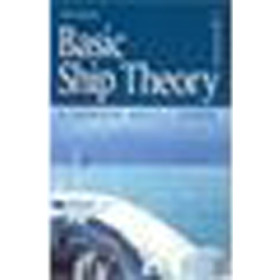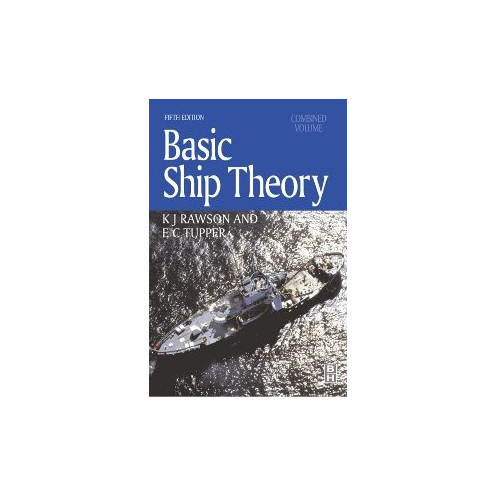



This combined volume delivers essential ship theory, from basic geometry and stability to advanced hydrodynamics and marine design. Ideal for students and engineers, with 500+ practical examples.
Data sheet
Specific References
Master the fundamentals of ship design and marine engineering with this authoritative two-volume set, now available in a single, convenient hardcover edition. Since its first publication in 1968, *Basic Ship Theory* has set the standard for introductory naval architecture textbooks, offering a perfect balance of theoretical depth and practical application. Whether you're a student beginning your journey in marine studies or a seasoned engineer looking to refresh your knowledge, this combined volume provides the essential principles that underpin modern ship design.
Volume 1 lays the groundwork with an exploration of ship geometry and measurement, ensuring you grasp the foundational elements of hull form and dimensions. It then delves into critical safety considerations, structural strength, buoyancy, trim, and stability—key factors that determine a vessel’s seaworthiness. The text is enriched with over 500 worked examples and solutions, allowing you to apply theoretical concepts to real-world scenarios and reinforce your understanding through hands-on problem-solving.
Volume 2 builds on this foundation by examining the dynamic behavior of marine vehicles, including hydrodynamics, maneuverability, and seakeeping. These chapters equip you with the tools to analyze how ships perform in varying sea conditions, a vital skill for designing vessels that are both efficient and safe. The book concludes with in-depth case studies on specific ship types and a thorough discussion on maritime design principles, emphasizing the importance of environmental considerations in modern naval architecture.
Widely adopted in undergraduate programs and professional training courses, *Basic Ship Theory* is tailored for students and practitioners in naval architecture, maritime studies, ocean engineering, and offshore engineering. Its clear explanations, practical examples, and focus on real-world applications make it an indispensable reference for engineers, naval architects, and maritime professionals seeking to deepen their expertise. The combined hardcover edition ensures durability and ease of use, whether in the classroom, office, or onboard a vessel.
Unlock the Science Behind Ship Design with a Time-Tested Classic
For over five decades, *Basic Ship Theory Volumes 1 & 2 Combined* has been the go-to resource for understanding the principles that govern ship design and marine engineering. This fifth edition, now consolidated into a single 784-page hardcover volume, delivers an unparalleled depth of knowledge, blending rigorous theory with practical insights. With more than 500 examples and solutions, it bridges the gap between classroom learning and real-world application, making it an essential tool for anyone involved in the maritime industry.
From Fundamentals to Advanced Applications
Dive into the essentials of naval architecture with Volume 1, which covers the geometry of ships, safety protocols, structural integrity, and the principles of buoyancy, trim, and stability. These foundational topics are presented with clarity and precision, ensuring you develop a solid understanding of what makes a vessel safe and functional. The book’s structured approach allows you to progress seamlessly from basic concepts to more complex analyses, all while reinforcing your learning through practical exercises.
Master the Dynamics of Marine Vehicles
Volume 2 takes your knowledge further by exploring the dynamic aspects of ship behavior, including hydrodynamics, maneuverability, and seakeeping. These chapters are critical for understanding how ships interact with their environment, from calm waters to rough seas. The book also includes detailed case studies on various ship types, providing insights into the design challenges and solutions for different maritime applications. Whether you're designing a cargo ship, a passenger vessel, or an offshore platform, this volume equips you with the tools to create efficient, safe, and environmentally conscious designs.
Designed for Lifelong Learning
Published in 2001, this fifth edition remains as relevant today as it was at its release, thanks to its timeless focus on core principles. The combined volume measures 9.6 inches in length and 6.8 inches in width, making it compact enough for easy transport while still offering comprehensive coverage. Weighing just 1 kg, it’s a practical addition to any professional’s library or a student’s study materials. The hardcover format ensures durability, whether you’re referencing it in an office, classroom, or onboard a ship. With its wealth of examples, illustrations, and expert insights, this book is more than just a textbook—it’s a lifelong resource for anyone passionate about maritime engineering.
This combined edition of *Basic Ship Theory* brings together Volumes 1 and 2 into a single, 784-page hardcover book, offering a comprehensive exploration of naval architecture and marine engineering. Written in English, the fifth edition features over 500 worked examples with solutions, providing practical applications for theoretical concepts. The book measures 9.6 inches in length and 6.8 inches in width, with a lightweight design of just 1 kg, making it both portable and durable for professional and academic use.
With a legacy spanning decades, this publisher has established itself as a leader in academic and professional resources for engineering and maritime industries. Known for producing authoritative texts that bridge theory and practice, their publications are trusted by students, educators, and professionals worldwide. Their commitment to quality and innovation ensures that each book serves as a reliable reference for years to come.
The first volume covers ship geometry and measurement, safety, structural strength, buoyancy, trim, and stability in foundational concepts.
Yes, it includes over 500 examples with answers to reinforce theoretical concepts.
Yes, it serves as a useful reference for practicing marine engineers and naval architects, in addition to students.
The second volume delves into dynamic behavior of marine vehicles, hydrodynamics, maneuverability, seakeeping, and includes case studies on specific ship types.
The combined hardcover edition contains 784 pages.
Yes, the book is illustrated to support the technical content.
The book measures 9.6 inches in length and 6.8 inches in width, with a weight of 1 kg.
You might also like