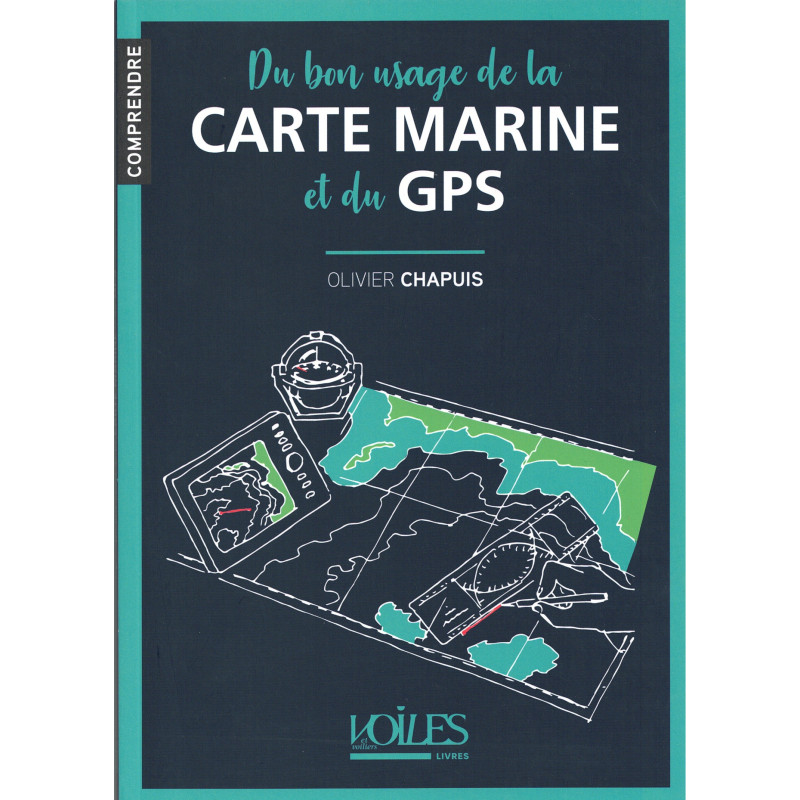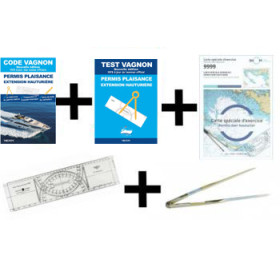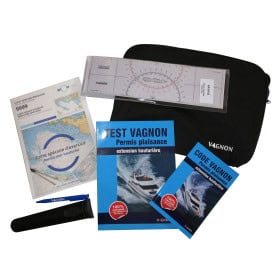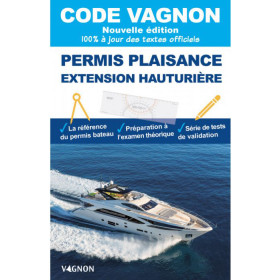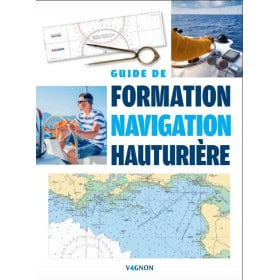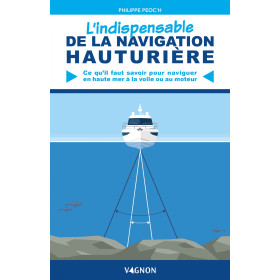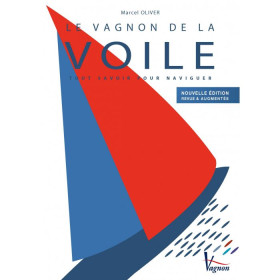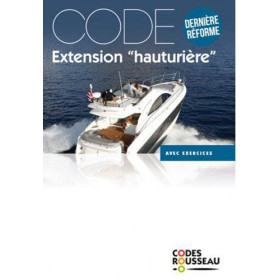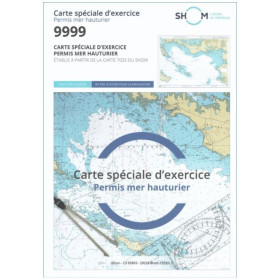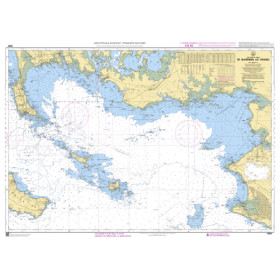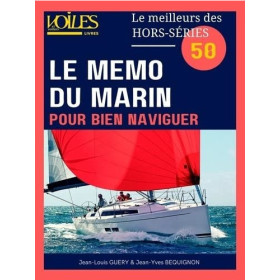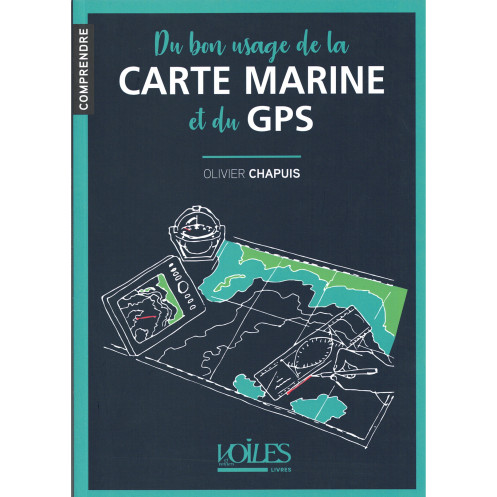




Unlock the full potential of nautical charts and GPS with this concise 92-page guide. Ideal for all skill levels, it ensures safe navigation and helps you explore coastal wonders like a pro.
Data sheet
Specific References
Whether you're setting sail for the first time or refining your skills as an experienced sailor, this comprehensive guide unlocks the secrets of marine charts and GPS technology. Designed for both beginners and seasoned navigators, this book bridges the gap between traditional cartography and modern electronic navigation, ensuring you stay safe and confident on the water.
Even in an era dominated by digital tools, marine charts are the backbone of safe navigation. This guide emphasizes their critical role in:
GPS is more than just a dot on a screen—it’s a powerful tool for advanced navigation. This book dives into:
With 92 pages of clear explanations and full-color illustrations, this guide makes complex concepts accessible. Key highlights include:
Navigation is about more than just reaching your destination—it’s about doing so safely. This guide ensures you:
Navigate with Confidence: The Ultimate Guide to Marine Charts and GPS
In a world where digital tools dominate, mastering the art of marine navigation still begins with a solid understanding of traditional charts and GPS technology. This essential guide, written by navigation expert Olivier Chapuis, is your key to unlocking safer, smarter, and more efficient sailing. Whether you're plotting a coastal cruise or preparing for offshore adventures, this book ensures you’re equipped with the knowledge to navigate with precision and confidence.
From Paper to Pixels: The Best of Both Worlds
While GPS devices provide real-time positioning, marine charts remain the foundation of reliable navigation. This 92-page manual bridges the gap between old-school cartography and cutting-edge technology, teaching you how to read charts like a pro while leveraging GPS for advanced route planning. With full-color illustrations and practical examples, you’ll learn to interpret depths, hazards, and coastal features—ensuring you never rely solely on electronics.
Beyond Basic GPS: Unlock Hidden Features
Most sailors use GPS for simple positioning, but this guide reveals its full potential. Discover how to integrate GPS data with marine charts, optimize routes for efficiency, and troubleshoot common issues at sea. Whether you’re navigating busy harbors or remote waters, you’ll gain the skills to make the most of your electronic tools without losing sight of traditional navigation techniques.
Built for Sailors, by Sailors
Written by a seasoned navigator, this book is packed with real-world scenarios, step-by-step tutorials, and expert tips. Its compact 17 x 24.5 cm format makes it easy to stow onboard, while its durable paperback design ensures it withstands the rigors of life at sea. Weighing just 1 kg, it’s the perfect companion for both leisurely cruises and long-distance voyages.
This 2023 edition guide, authored by Olivier Chapuis, spans 92 pages of expert navigation advice. Measuring 17 x 24.5 x 0.3 cm and weighing 1 kg, it features a durable paperback format with full-color illustrations. Ideal for both beginners and experienced sailors, it covers marine charts, GPS usage, and advanced navigation techniques in French.
With decades of expertise in maritime publishing, this publisher is a trusted name among sailors, fishermen, and maritime professionals. Their guides are renowned for blending technical precision with practical advice, ensuring readers gain the skills needed for safe and confident navigation. Each publication is crafted by industry experts, making them essential resources for both recreational and professional mariners.
This guide is designed for both beginners and experienced sailors looking to deepen their understanding of marine charts and GPS usage.
The manual contains 92 pages, featuring color illustrations to aid comprehension.
No, this edition is only available in French.
The book measures 17.00 x 24.50 x 0.30 cm.
Yes, it explores advanced GPS features beyond basic positioning, including practical applications for navigation.
The book weighs approximately 1 kg.
Mastering marine charts is essential for handling potential equipment failures, ensuring safe navigation, and fully exploring coastal areas.
You might also like