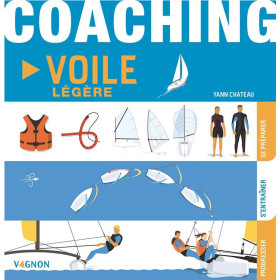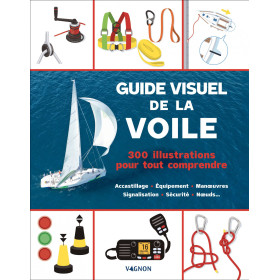



New to dinghy sailing? This practical guide for beginners includes clear illustrations and step-by-step advice on boat choice, maneuvers, weather, and safety. Ideal for young sailors starting out.
Data sheet
Specific References
Unlock the joys of dinghy sailing with this essential beginner’s guide
Dinghy sailing is the perfect entry point into the world of boating, offering an exhilarating blend of skill, freedom, and connection with the water. *The Dinghy Sailor’s Handbook* is designed to demystify the sport for newcomers, providing a clear, step-by-step roadmap to mastering the basics. With 128 pages of expert guidance, this book is tailored for those taking their first strokes—especially young sailors—ensuring a smooth and enjoyable learning experience. Whether you're preparing for a sailing course or exploring on your own, this handbook is your go-to resource for building confidence and competence on the water.
From choosing your boat to mastering maneuvers
Not all dinghies are the same, and this guide helps you navigate the options to find the perfect fit for your needs. Learn how to assess different boat types, from stable training dinghies to more agile performance models, and understand what to look for in terms of size, weight, and design. Once you’ve selected your vessel, the book walks you through the essentials of rigging, launching, and basic maneuvers. With detailed explanations and illustrations, you’ll quickly grasp the fundamentals of steering, tacking, and jibing, setting the stage for more advanced techniques.
Safety, weather, and real-world sailing scenarios
Sailing is as much about preparation as it is about skill, and this handbook emphasizes the importance of safety and situational awareness. Discover how to read weather conditions, interpret forecasts, and adjust your plans to stay safe on the water. The book also covers critical recovery techniques, such as righting a capsized boat and reboarding, ensuring you’re prepared for the unexpected. With practical advice on everything from gear selection to emergency procedures, you’ll develop the habits and knowledge needed to sail with confidence in any situation.
A practical, portable, and illustrated learning tool
Measuring 17 x 24 cm and weighing just 338 grams, this paperback guide is designed for convenience—easy to carry in a gear bag or keep on hand for quick reference. Its compact format doesn’t compromise on content, with 128 pages packed with illustrations, diagrams, and tips to reinforce learning. The book’s clear, engaging style makes complex concepts accessible, while its focus on hands-on practice ensures you can apply what you’ve learned immediately. Whether you're on the dock, at home, or out on the water, *The Dinghy Sailor’s Handbook* is the perfect companion for your sailing journey.
This beginner-friendly guide to dinghy sailing is packed into a lightweight, portable format, making it easy to take anywhere. With 128 pages of illustrated content, it covers everything from boat selection to safety procedures in a clear, accessible style. The paperback edition measures 17 x 24.6 x 0.8 cm and weighs just 338 grams, ensuring it fits comfortably in a gear bag or backpack. Published in April 2016, this book is a timeless resource for new sailors looking to build their skills.
For over a decade, this publisher has been a trusted name in maritime education, specializing in practical guides for boating enthusiasts of all levels. Their books are renowned for their clarity, accuracy, and focus on hands-on learning, making them a go-to resource for sailors, instructors, and clubs worldwide. With a commitment to safety and skill development, their publications are designed to empower readers with the knowledge they need to navigate the waters with confidence.
This guide is designed specifically for beginners, particularly those new to sailing, including children.
Yes, it includes detailed information on safety management while sailing.
The book measures 17 cm in width, 24.6 cm in height, and 0.8 cm in thickness.
The book weighs 338 grams.
No, the book is only available in French.
The book has a paperback cover.
The guide was published on April 15, 2016.
You might also like