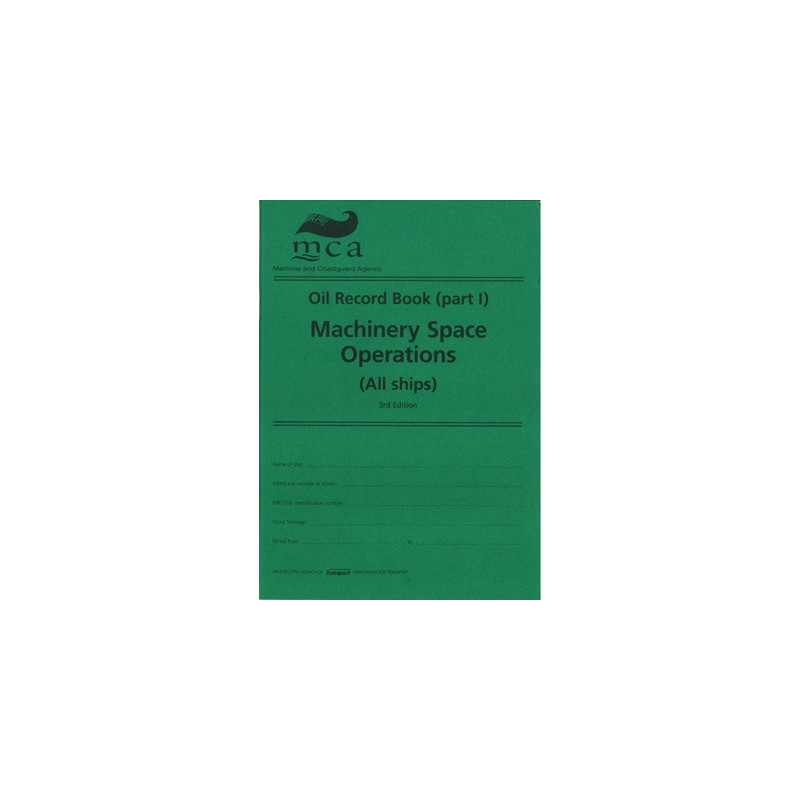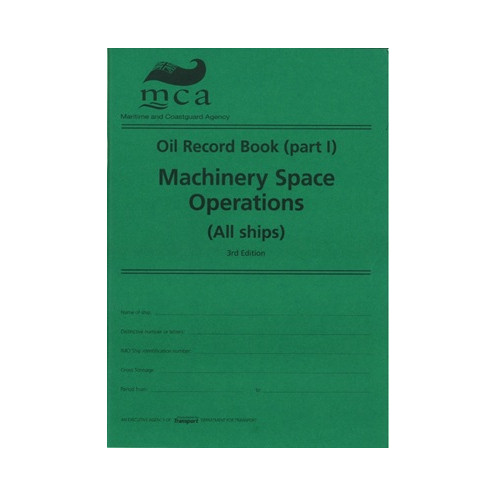

KH Charts - LBK0150 - Oil Record Book Part 1: machinery space operations (all Ships)
search
  • googlemap
  • KH Charts - LBK0150 - Oil Record Book Part 1: machinery space operations (all Ships)
  • KH Charts - LBK0150 - Oil Record Book Part 1: machinery space operations (all Ships)

KH Charts - Oil Record Book Part 1: machinery space operations (all Ships)

€17.30
Tax included
In English language
Estimated preparation time: 5 to 14 days

MARPOL 73/78 requires this Oil Record Book Part I for all ships. Track machinery space operations legally and precisely with this indispensable compliance tool for engine room activities.

LBK0150

Data sheet

Who is the publisher or the author?
KH Charts
Picto
In English language

Specific References

UPC
400000141817
EAN13
9780115531569
New
Description détaillée

Oil Record Book Part 1: Machinery Space Operations (All Ships)

Publication in English
Paperback edition

Essential Compliance for Maritime Operations

Every vessel navigating international waters must adhere to strict environmental regulations, and this official record book is a cornerstone of compliance. Designed for ships over 400 gross tons (non-tankers) and oil tankers over 150 gross tons, it provides a standardized system for documenting machinery space operations—ensuring transparency, accountability, and adherence to MARPOL 73/78 regulations. Without it, vessels risk non-compliance penalties, operational delays, and environmental liabilities.

Mandatory Documentation for Global Shipping

This record book is not just a log—it’s a legal requirement under Regulation 17 of the International Convention for the Prevention of Pollution from Ships (MARPOL 73/78). It serves as an official record of all oil-related operations in machinery spaces, from bunkering and sludge disposal to bilge water management. Authorities, port state control, and classification societies rely on these entries to verify a vessel’s environmental compliance. A missing, incomplete, or improperly maintained record book can lead to detentions, fines, or even blacklisting.

Engineered for Accuracy and Efficiency

Structured for clarity and precision, this publication guides crew members through every required entry with standardized forms and clear instructions. The third edition (2010), which supersedes the 2006 version, reflects the latest regulatory updates and remains the authoritative reference for maritime professionals. Its durable paperback format ensures longevity in demanding onboard environments, while its compact size (0.6 kg) makes it easy to store and access when needed.

Designed for Maritime Professionals

From chief engineers to deck officers, this record book is an indispensable tool for anyone responsible for environmental compliance on board. It eliminates ambiguity in record-keeping, reduces the risk of human error, and streamlines inspections by providing a consistent, internationally recognized format. Whether for routine operations or unexpected audits, this publication ensures that every entry meets the exacting standards of maritime law.

Global Standard for Environmental Accountability

Published by The Stationery Office (TSO) and recognized worldwide, this record book is the gold standard for machinery space operations documentation. Its compliance with MARPOL 73/78 makes it a trusted resource for shipowners, operators, and regulatory bodies alike. By maintaining accurate records, vessels not only fulfill legal obligations but also contribute to the broader effort of reducing marine pollution and protecting ocean ecosystems.

Critical Compliance Tool for Machinery Space Operations
This official Oil Record Book Part 1 is the definitive solution for documenting machinery space operations on all vessels subject to MARPOL 73/78 regulations. Mandatory for ships over 400 gross tons (non-tankers) and oil tankers over 150 gross tons, it ensures full compliance with international maritime law while streamlining record-keeping for crew members. The third edition (2010) incorporates the latest regulatory updates, making it the most current and reliable reference for environmental documentation in the maritime industry.

Legally Binding Documentation for Global Shipping
Every entry in this record book carries legal weight, serving as an official log of oil-related operations—from fuel transfers and sludge disposal to bilge water management. Port state control, classification societies, and maritime authorities rely on these records to verify compliance, making accurate documentation non-negotiable. A single missing or incorrect entry can result in costly detentions, fines, or operational disruptions, underscoring the importance of this publication in daily maritime operations.

Engineered for Precision and Durability
Designed for the demanding conditions of life at sea, this record book features a durable paperback format that withstands frequent handling, moisture, and onboard wear. Weighing just 0.6 kg, it is lightweight yet robust, ensuring easy storage and accessibility. The standardized forms and clear instructions minimize errors, while its compact size allows for convenient placement in engine control rooms or onboard offices. This edition replaces the 2006 version, reflecting the latest regulatory requirements effective January 1, 2011.

Trusted by Maritime Professionals Worldwide
Published by The Stationery Office (TSO) and recognized as the industry standard, this record book is used by chief engineers, deck officers, and compliance officers across the globe. Its adherence to MARPOL 73/78 ensures consistency in record-keeping, reducing the risk of discrepancies during inspections. By providing a structured, internationally accepted format, it simplifies the complex task of environmental documentation, allowing crews to focus on safe and efficient vessel operations.

This official Oil Record Book Part 1 is a paperback publication in English, weighing 0.6 kg, designed for compliance with MARPOL 73/78 Regulation 17. The third edition (2010) is applicable to all ships over 400 gross tons (non-tankers) and oil tankers over 150 gross tons, replacing the 2006 edition with updated regulatory standards effective January 1, 2011.

For over a century, the publisher behind this record book has been a trusted name in maritime documentation, providing official publications that meet the highest standards of accuracy and regulatory compliance. Their expertise ensures that every product, from record books to navigational charts, is designed to support the safety, efficiency, and legal adherence of global shipping operations.

  • This record book ensures full compliance with MARPOL 73/78 regulations, reducing the risk of fines, detentions, or legal liabilities.
  • Its standardized format simplifies record-keeping, minimizing errors and streamlining inspections.
  • Durable and lightweight, it is built to withstand the rigors of onboard use while providing a clear, structured system for documenting machinery space operations.
  • As the official third edition, it reflects the latest regulatory updates, making it the most reliable reference for maritime professionals worldwide.
What types of ships require this record book?

This record book is mandatory for all ships over 400 gross tons (non-oil tankers) and oil tankers over 150 gross tons, as per MARPOL 73/78 regulations.

Is this edition still valid for use today?

Yes, this 3rd edition, published in 2010, became effective on January 1, 2011, and remains compliant with current MARPOL regulations.

What is the difference between Part I and Part II of this record book?

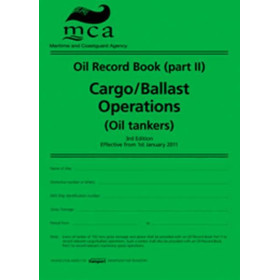
Part I covers machinery space operations for all ships, while Part II is specific to cargo/ballast operations for oil tankers and is sold separately.

How much does this record book weigh for shipping purposes?

The record book weighs approximately 0.6 kg, making it lightweight and easy to handle.

Does this book include instructions on how to fill it out correctly?

Yes, the book provides detailed guidelines to ensure accurate and compliant record-keeping of machinery space operations as required by MARPOL regulations.

Can this record book be used for ships registered outside the United States?

Yes, it complies with international MARPOL 73/78 regulations, making it suitable for ships registered under any flag state.

Loading...