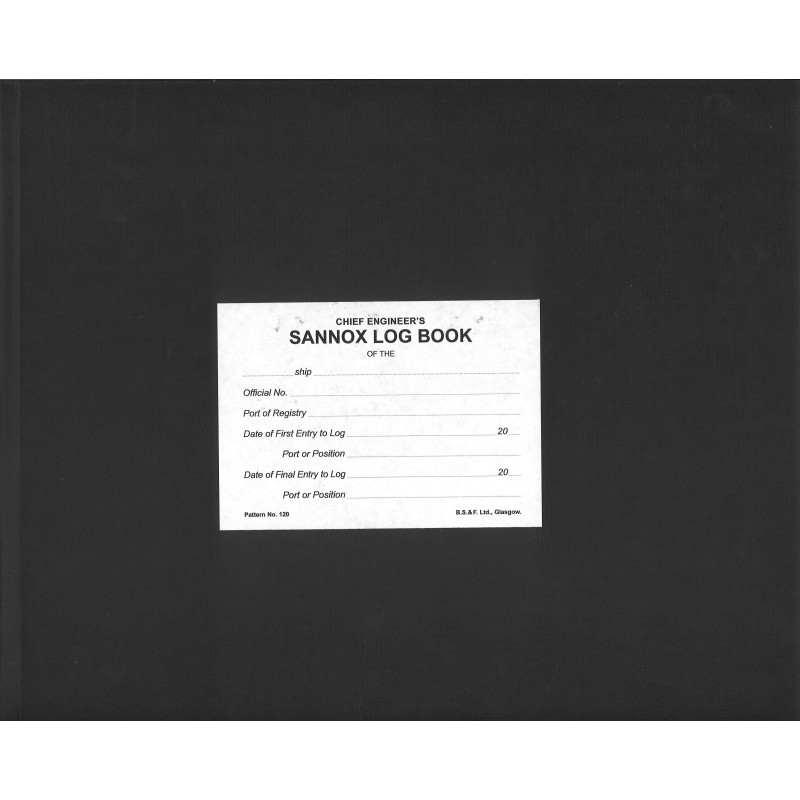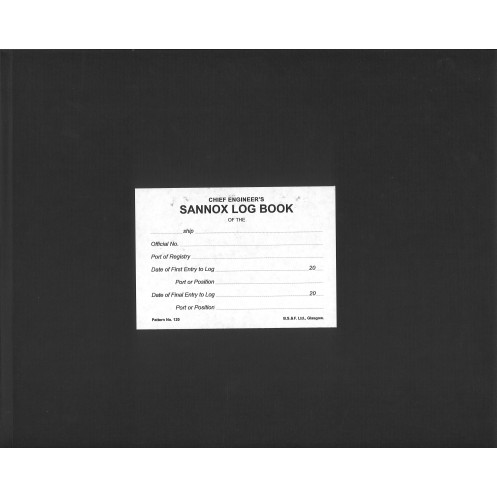



Hardcover logbook for chief engineers, offering 3 months of structured record-keeping. 191 numbered pages in a grid format simplify tracking diesel engines, auxiliaries, and critical operational data.
Data sheet
Specific References
Designed for precision and durability, this Chief Engineer’s Log delivers a structured, three-month record-keeping solution tailored to the demands of marine engineering. Built for diesel engines and nine-cylinder electrical auxiliaries, it ensures every critical parameter is documented with clarity and accuracy. The hardcover design guarantees long-term protection, while the numbered pages provide an organized, tamper-proof system for compliance and operational transparency.
Every day is allocated a two-page spread, with the left side dedicated to engineering logs—voyage details, watch shifts, meter readings, engine revolutions, and temperature and pressure metrics for piston cooling water, circulating water, exhaust gases, freshwater, and lubricating oil coolers. The right side captures voyage specifics, including route details, sea and engine room temperatures, turbocharger performance, generator and centrifuge operations, boiler usage, and weather conditions. This dual-page format ensures no detail is overlooked, from fuel consumption to maintenance tasks.
Engineered for chief engineers, this logbook streamlines documentation with a grid-table format that eliminates guesswork. Key sections include midday tank soundings, indicator cards, remaining lubricants, and chief engineer signatures with timestamps. The structured approach reduces errors, enhances accountability, and simplifies audits, making it an indispensable tool for maintaining operational standards in commercial shipping.
With over 180 pages of dedicated logging space, this logbook supports rigorous record-keeping without interruption. The hardcover binding withstands the harsh conditions of engine rooms, while the clear, numbered layout ensures quick reference during inspections or reviews. Whether tracking auxiliary machinery performance or documenting maintenance activities, this logbook delivers the reliability and precision required in the maritime industry.
Precision-Engineered Logbook for Chief Engineers
This three-month Chief Engineer’s Log is the definitive tool for marine professionals tasked with maintaining diesel engines and nine-cylinder electrical auxiliaries. Engineered for accuracy and durability, it provides a structured, 191-page system to document every critical aspect of engine room operations. The hardcover design ensures resilience in demanding environments, while the numbered pages guarantee traceability and compliance with maritime regulations.
Comprehensive Daily Logging for Unmatched Detail
Every entry spans two pages, with the left dedicated to engineering metrics—voyage numbers, watch shifts, meter readings, engine revolutions, and temperature/pressure data for cooling systems, exhaust gases, and lubricating oil. The right page captures voyage specifics, including route details, sea and engine room temperatures, turbocharger performance, generator and centrifuge operations, boiler pressure, and weather conditions. This dual-page layout ensures no detail is missed, from fuel consumption to maintenance tasks, making it an indispensable resource for operational transparency.
Streamlined for Compliance and Operational Efficiency
Designed with chief engineers in mind, this logbook simplifies record-keeping with a grid-table format that eliminates ambiguity. Key sections include midday tank soundings, indicator cards, remaining lubricants, and chief engineer signatures with timestamps. The structured approach reduces errors, enhances accountability, and ensures seamless audits, making it a cornerstone for maintaining high standards in commercial shipping.
This three-month Chief Engineer’s Log features a hardcover binding for durability, with 191 numbered pages designed for diesel engines and nine-cylinder electrical auxiliaries. Weighing 0.6 kg, it includes a grid-table layout for structured daily entries, covering engineering metrics, voyage details, and maintenance logs in English.
With a legacy rooted in maritime publishing, this brand has supplied the shipping industry with specialized logbooks and technical references for generations. Known for precision-engineered documentation tools, their products are trusted by marine professionals worldwide to meet the rigorous demands of commercial and industrial operations.
The logbook is designed for one daily entry, with each entry spanning two pages for comprehensive record-keeping.
It is specifically adapted for diesel engines and 9-cylinder electric auxiliaries.
Yes, the pages are organized in a grid-table format with dedicated sections for engine logs, auxiliary machinery, voyage details, and remarks.
No, it is designed to cover a 3-month period with structured daily entries.
The right-hand page includes voyage details such as route, sea and engine room temperatures, turbochargers, generators, boiler usage, and weather conditions.
Yes, it includes sections for recording remaining oils on board, fuel usage, and boiler water density.
You might also like