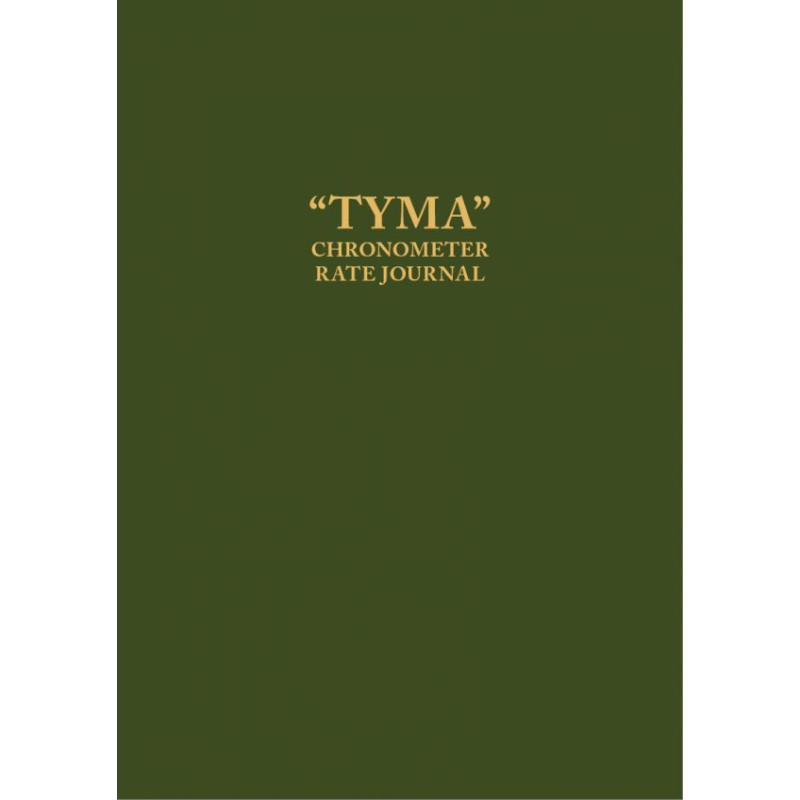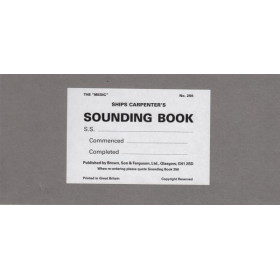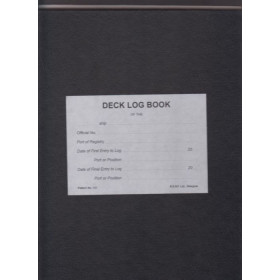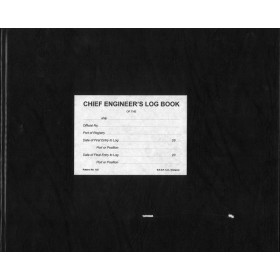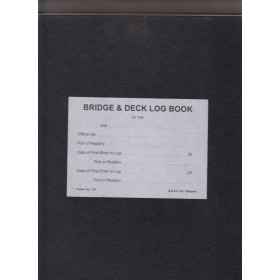



Track your vessel’s chronometer accuracy with this nautical logbook. Designed for mariners, it records GMT, errors, daily rates, and conditions to ensure precise navigation on every journey.
Data sheet
Specific References
Designed for professional mariners, this chronometer rate journal ensures meticulous tracking of a ship’s timekeeping accuracy across voyages. Whether navigating open seas or coastal waters, maintaining precise time measurements is critical for safe and efficient maritime operations. This journal provides a structured system to log and analyze chronometer performance, a practice that remains vital even in the age of digital navigation.
Featuring a redesigned layout introduced in 2014, this journal includes numbered pages for systematic record-keeping. Each entry captures key data points: date, GMT, chronometer error, daily rate, temperature, remarks, and observer details. This level of detail allows navigators to detect inconsistencies, track long-term performance trends, and ensure compliance with maritime standards. The structured format eliminates guesswork, making it easier to maintain accuracy over extended voyages.
While GPS and quartz clocks have revolutionized navigation, the chronometer remains a cornerstone of celestial navigation. GPS signals can be disrupted, and electronic systems may fail—making traditional timekeeping methods indispensable for redundancy. This journal bridges the gap between historical maritime practices and contemporary needs, offering a reliable backup for officers on watch. It’s not just a logbook; it’s a safeguard against navigational errors.
Tailored for merchant marine officers, this publication supports rigorous training and operational protocols. By documenting chronometer performance, navigators can verify the reliability of their timekeeping instruments, a critical factor in calculating longitude and ensuring safe passage. The 2014 edition refines the original design, making it more user-friendly while preserving its core functionality. Whether used for training or active duty, this journal is an indispensable resource for maintaining navigational precision.
Printed in a paperback format, this journal is built to withstand the demands of life at sea. Its lightweight yet sturdy construction (weighing just 2 lb) ensures it can be easily stored on a ship’s bridge or in a navigator’s workspace. The English-language publication aligns with international maritime standards, making it accessible to crews worldwide. With a shipping weight of 0.6 kg, it’s designed for convenience without compromising durability.
Precision Timekeeping for Professional Navigation
In the demanding world of maritime navigation, accuracy is non-negotiable. The Chronometer Rate Journal – TYMA (BSF) is a specialized logbook engineered to monitor and evaluate the performance of a ship’s chronometer—a critical instrument for determining longitude and ensuring safe passage. Even with modern advancements like GPS and quartz clocks, traditional timekeeping methods remain essential for redundancy and reliability. This journal provides a structured, foolproof system for recording and analyzing chronometer data, making it an indispensable tool for merchant marine officers and navigators.
Systematic Data Logging for Unmatched Accuracy
This journal’s 2014 redesigned format introduces numbered pages and a clear, organized layout to streamline record-keeping. Each entry includes fields for date, GMT, chronometer error, daily rate, temperature, remarks, and observer details, allowing for comprehensive performance tracking. By documenting these variables, navigators can identify trends, detect anomalies, and ensure their chronometer remains within acceptable tolerances. The structured approach eliminates human error, providing a reliable method for maintaining precision over long voyages.
Bridging Tradition and Modern Navigation
While electronic navigation systems dominate today’s maritime industry, the chronometer’s role in celestial navigation remains irreplaceable. GPS signals can be jammed, lost, or compromised, making traditional timekeeping a vital backup. This journal preserves the historical practice of chronometer monitoring while adapting it for contemporary use. It’s not just a logbook—it’s a safeguard against navigational failures, ensuring officers can rely on accurate time measurements even when modern systems falter.
Built for the Rigors of Life at Sea
Designed with professional mariners in mind, this journal is printed in a durable paperback format that withstands the challenges of a shipboard environment. Weighing just 2 lb and with a shipping weight of 0.6 kg, it’s lightweight yet robust, making it easy to store on the bridge or in a navigator’s workspace. The English-language publication aligns with international maritime standards, ensuring accessibility for crews worldwide. Whether for training or active duty, this journal is a trusted companion for maintaining navigational precision.
This Chronometer Rate Journal – TYMA (BSF) is a paperback publication in English, featuring a 2014 redesigned layout with numbered pages for systematic record-keeping. It weighs 2 lb (shipping weight: 0.6 kg), making it lightweight yet durable for maritime use. The journal includes dedicated fields for logging date, GMT, chronometer error, daily rate, temperature, remarks, and observer details, ensuring comprehensive performance tracking.
With a legacy rooted in maritime publishing, this brand has been a trusted name in nautical resources for generations. Specializing in professional-grade publications, their products are designed to meet the rigorous demands of merchant marine officers and navigators. Combining historical expertise with modern updates, their materials remain essential tools for training, compliance, and operational excellence at sea.
You can record the date, GMT, chronometer error, daily rate, temperature, remarks, and the observer's name for each entry.
Yes, it remains essential for celestial navigation, especially as a backup when GPS signals are unavailable or disrupted.
Yes, the 2014 edition includes numbered pages for better organization and tracking.
The journal weighs 2 pounds (0.6 kg for shipping purposes).
Yes, it is designed for navigators and officers to monitor chronometer accuracy, making it ideal for professional use.
You might also like