


Data sheet
Specific References
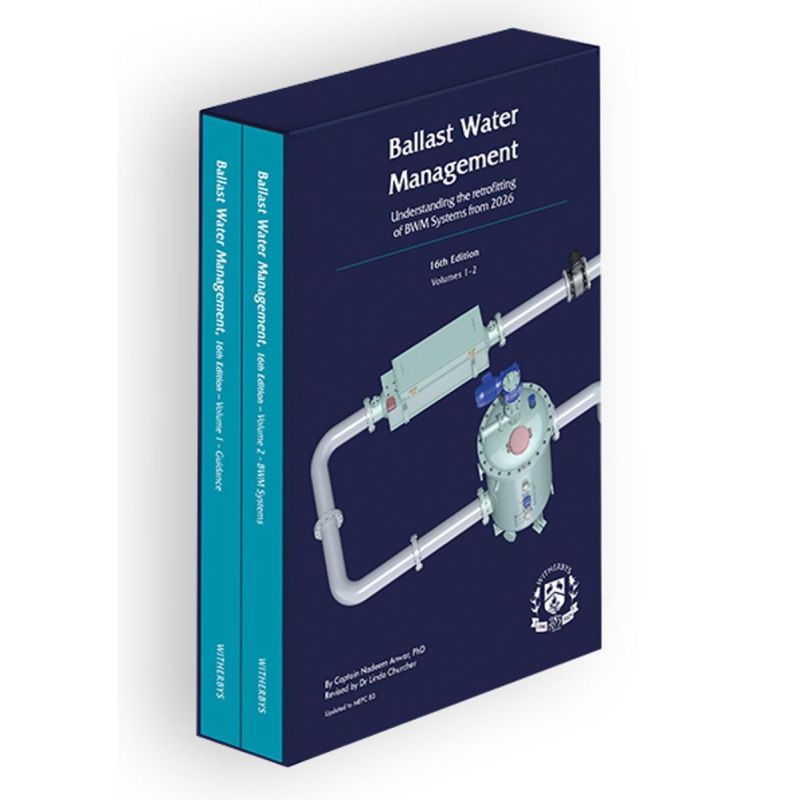
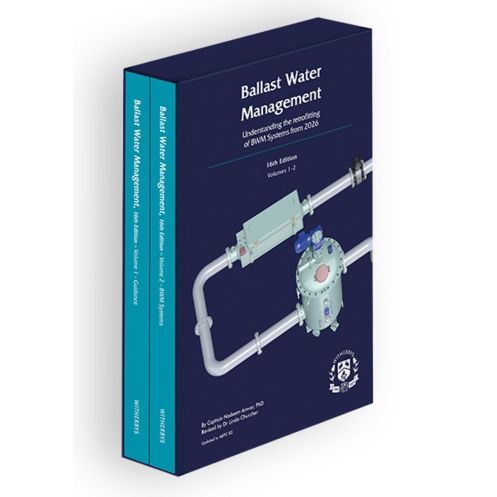
Stay ahead of evolving maritime regulations with this essential resource for ballast water management. Designed for shipowners, operators, and maritime professionals, this publication delivers up-to-date guidance on complying with the Ballast Water Management Convention (BWM) and national requirements. It covers critical aspects of ballast water legislation, port state control, and vessel administration, ensuring seamless adherence to international standards.
Navigate the complexities of ballast water treatment with expert insights on system selection, installation, retrofitting, and onboard operations. This book provides a detailed overview of approved Ballast Water Management Systems (BWMS), including their technologies, type approvals, and design limitations. It also addresses operational challenges, maintenance protocols, and emergency measures, empowering crews to manage systems efficiently and safely.
Reflecting the latest amendments to the BWM Convention, this edition includes revised guidelines for BWMS certification under the 2018 BWMS Code/G8, effective since October 2020. It features an extensive directory of type-approved systems, summarizing their treatment technologies, certifications, and operational constraints. Additionally, it highlights key invasive species, their native and invasive ranges, and IMO guidance documents to support informed decision-making.
Enhance your understanding of ballast water management with practical tools, including technical diagrams of BWMS layouts and updated compliance checklists. Whether you're selecting a new system, retrofitting an existing vessel, or ensuring ongoing compliance, this publication equips you with the knowledge to meet regulatory demands and protect marine ecosystems.
Master Ballast Water Compliance with the Definitive Industry Guide
Ballast water management is no longer optional—it’s a critical requirement for every vessel operating under international maritime law. This authoritative publication provides shipowners, operators, and maritime engineers with a complete roadmap to achieving full compliance with the Ballast Water Management Convention (BWM) and related regulations. Updated to reflect the latest amendments, it bridges the gap between complex legislation and practical implementation, ensuring your fleet meets global standards while minimizing operational disruptions.
From Legislation to Onboard Execution
Understanding the regulatory landscape is just the first step. This guide goes further by detailing the real-world challenges of ballast water management, from selecting the right treatment system to retrofitting existing vessels. It breaks down the approval processes for Ballast Water Management Systems (BWMS), including the stringent requirements of the 2018 BWMS Code/G8, which has been mandatory for new installations since October 2020. With clear explanations of system technologies, certification processes, and design limitations, it helps you make informed decisions tailored to your vessel’s specific needs.
Operational Excellence and Emergency Preparedness
Compliance doesn’t end with installation. This publication equips crews with the knowledge to operate, maintain, and troubleshoot BWMS effectively. It covers routine maintenance protocols, monitoring procedures, and emergency response strategies to ensure systems function optimally under all conditions. Additionally, it includes practical tools such as technical diagrams of system layouts and checklists for compliance audits, making it an indispensable resource for onboard teams and shore-based personnel alike.
Stay Ahead of Regulatory Changes
The maritime industry is constantly evolving, and so are its regulations. This guide keeps you informed with the latest updates on invasive species, their impact on marine ecosystems, and the geographic regions most affected. It also provides access to IMO guidance documents and a comprehensive directory of type-approved BWMS, complete with summaries of their technologies and operational constraints. Whether you’re preparing for a port state inspection or planning a system upgrade, this publication ensures you have the most current and actionable information at your fingertips.
This 14th edition (2023) of the Ballast Water Management guide is a two-volume, 392-page printed resource in English. Authored by Nadeem Anwar, it measures 210 mm in height and 150 mm in width, with a weight of 1 kg. Published in November 2025, it is designed for durability and ease of reference, making it ideal for both onboard and office use.
With decades of expertise in maritime publications, this publisher is a trusted name in the industry, providing authoritative resources that bridge the gap between regulatory requirements and practical application. Their publications are widely used by shipowners, operators, and maritime professionals to ensure compliance, enhance safety, and optimize vessel operations.
The 14th edition reflects the latest requirements for ballast water management following the ratification of the BWM Convention. It includes updated legislation, revised system certifications (e.g., BWMS Code 2018/G8), new guidance on approved treatment technologies, and expanded fact sheets for USCG and BWM Convention-approved systems.
While the 14th edition focuses on current compliance, it includes practical considerations for system selection, installation, and retrofitting. For detailed retrofit guidance, the 15th or 16th editions (2025) are recommended, as they dedicate specific volumes to retrofit requirements starting in 2026.
The book provides example technical layouts of ballast water management systems, but these are illustrative rather than scalable engineering drawings. They serve as reference points for understanding system components and general arrangements.
The 14th edition includes an extensive set of fact sheets for type-approved systems as of 2023, covering both USCG and BWM Convention testing procedures. However, for the most current approvals, users should cross-reference with official IMO or USCG databases, as new systems may be certified post-publication.
The book measures 210 mm in height and 150 mm in width, with a thickness accommodating 392 pages. It is designed to fit standard bookshelves alongside other maritime reference materials.
Yes, the book includes detailed guidance on emergency protocols for system failures, maintenance contingencies, and operational disruptions to ensure compliance and safety during unforeseen events.
This edition is a standalone printed volume and does not include digital supplements. However, it references IMO guidance documents and external resources for further reading.
You might also like