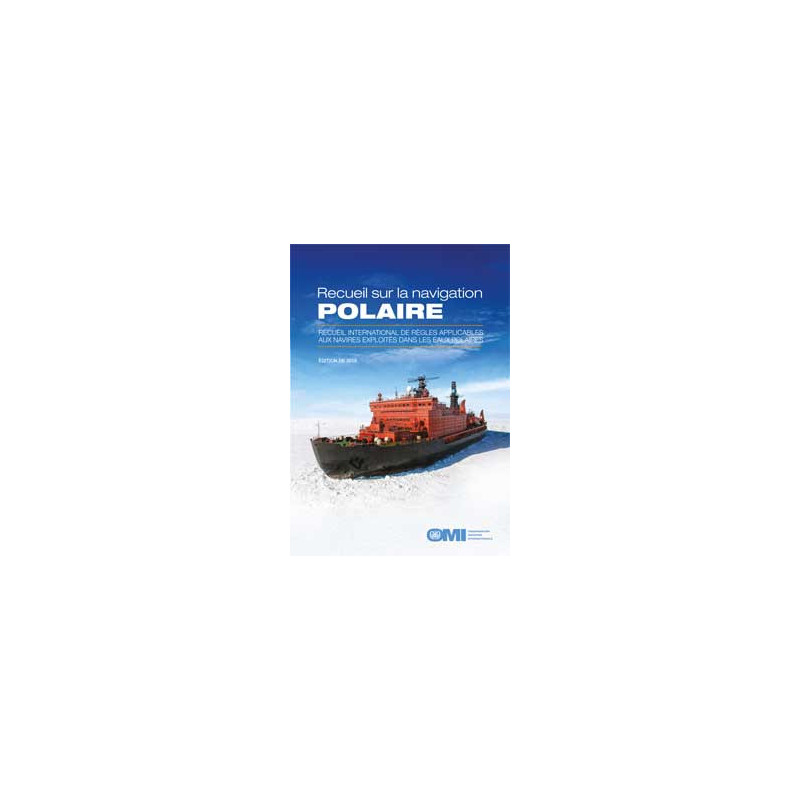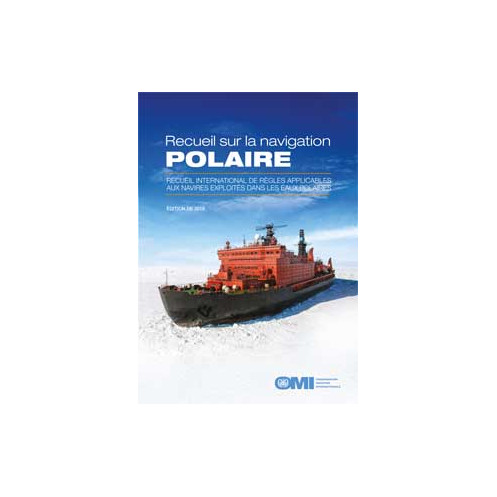




This 2016 Polar Code manual is a must-have for ships operating in polar regions. It provides critical safety, environmental, and operational guidelines to comply with SOLAS and MARPOL conventions.
Data sheet
Specific References
The Polar Code 2016 – Polar Navigation Guide is a critical resource for maritime professionals operating in the Arctic and Antarctic regions. This comprehensive publication establishes mandatory standards for ship design, construction, equipment, operations, training, search and rescue, and environmental protection in polar waters. Aligned with international conventions such as SOLAS (Safety of Life at Sea) and MARPOL (Prevention of Pollution from Ships), it ensures vessels meet the highest safety and environmental requirements when navigating these remote and challenging environments.
Polar regions present unique hazards, including extreme weather, ice-covered waters, and limited infrastructure. This guide addresses these challenges by setting strict operational protocols to minimize risks to crews, vessels, and the fragile polar ecosystems. It introduces ship categorization (A, B, and C) based on ice conditions, ensuring vessels are equipped to handle specific environmental demands. By integrating these standards, maritime operators enhance operational safety while reducing their environmental footprint in some of the world’s most vulnerable areas.
Adopted by the International Maritime Organization (IMO), the Polar Code became mandatory on January 1, 2017, for new vessels, with existing ships required to comply by 2020. Key provisions include restrictions on heavy fuel oil (HFO) in the Arctic, effective July 1, 2024, and updated training requirements under the STCW Convention, enforceable since July 1, 2018. This guide is indispensable for shipowners, operators, and crews who must adhere to these evolving regulations to maintain compliance and operational readiness in polar waters.
This paperback edition is tailored for onboard reference, offering clear, actionable guidance for navigating polar conditions. Its structured format covers everything from ice classification to environmental safeguards, making it an invaluable tool for maritime professionals. Whether for vessel certification, crew training, or operational planning, this guide ensures compliance with international standards while supporting safe and sustainable polar navigation.
Navigate Polar Waters with Confidence
The Polar Code 2016 – Polar Navigation Guide is the definitive reference for maritime professionals operating in the Arctic and Antarctic. Published by the International Maritime Organization (IMO), this essential document complements SOLAS and MARPOL conventions, establishing binding requirements for vessel design, construction, equipment, and environmental protection in polar regions. With mandatory compliance for new ships since 2017 and existing vessels by 2020, this guide ensures vessels meet the highest safety and operational standards in some of the world’s most extreme environments.
Comprehensive Standards for Polar Operations
This guide introduces a structured approach to polar navigation, categorizing vessels into three classes (A, B, and C) based on their ability to operate in varying ice conditions. Category A ships are designed for medium first-year ice, while Category C vessels are suited for open water or less severe conditions. These classifications ensure vessels are equipped to handle specific challenges, from ice thickness to temperature extremes, while minimizing risks to crews and the environment.
Environmental Safeguards and Regulatory Compliance
The Polar Code sets strict environmental protections, including a ban on heavy fuel oil (HFO) in the Arctic starting July 1, 2024, and limits on oil density and viscosity. It also mandates updated training requirements under the STCW Convention, effective since July 2018. By integrating these measures, the guide helps operators reduce their environmental impact while maintaining compliance with evolving international regulations.
Onboard Reference for Maritime Professionals
Weighing 1.8 kg, this paperback edition is designed for practical use in the field. Its clear, structured format covers everything from ice navigation protocols to search and rescue procedures, making it an indispensable resource for shipowners, operators, and crews. Whether for certification, training, or daily operations, this guide ensures vessels are prepared to navigate polar waters safely and sustainably.
The Polar Code 2016 – Polar Navigation Guide is a 1.8 kg paperback publication in French, published in 2016. It establishes mandatory standards for polar navigation, including vessel categorization (A, B, and C) based on ice conditions, environmental protections such as the 2024 ban on heavy fuel oil in the Arctic, and updated training requirements under the STCW Convention. Key compliance dates include January 1, 2017, for new vessels and July 1, 2018, for STCW amendments.
With decades of expertise in maritime safety and environmental standards, this organization sets global benchmarks for the shipping industry. Its publications, including the Polar Code, are trusted by maritime professionals worldwide for their precision, regulatory alignment, and practical guidance. Designed to enhance safety and sustainability, their resources support compliance with international conventions while addressing the unique challenges of modern maritime operations.
Category A vessels are designed for operation in medium first-year ice, which may include old ice inclusions. Category B vessels operate in thin first-year ice, also with possible old ice inclusions. Category C vessels are intended for open water or less severe ice conditions than those covered by Categories A and B.
This edition is only available in French. However, other language versions may exist in digital or print formats.
The Polar Code entered into force on January 1, 2017, for new ships. Existing ships were required to comply by January 1, 2020.
Heavy grade oil with a density greater than 900 kg/m³ at 15°C or a kinematic viscosity exceeding 180 mm²/s at 50°C is restricted. Its use in the Arctic was banned starting July 1, 2024.
Yes, it establishes mandatory requirements for search and rescue operations in polar waters, along with safety and environmental protection measures.
The Polar Code mandates specific training for crew members, with amendments to the STCW Convention becoming mandatory on July 1, 2018.
You might also like