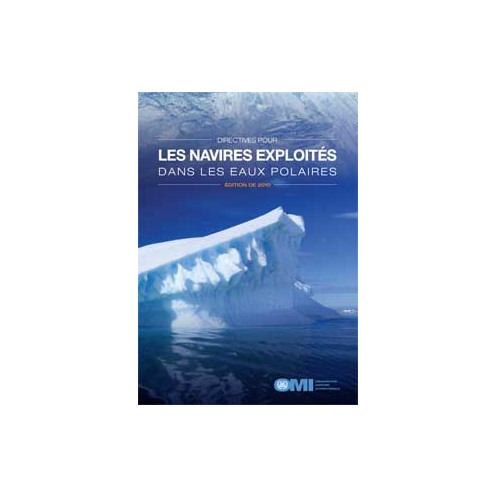




Critical safety directives for vessels in polar regions, covering ice impact, equipment performance, and navigation risks. Designed for operators, builders, and maritime authorities.
Data sheet
Specific References
Navigate Polar Waters with Confidence Using the IMO - 190F Guidelines
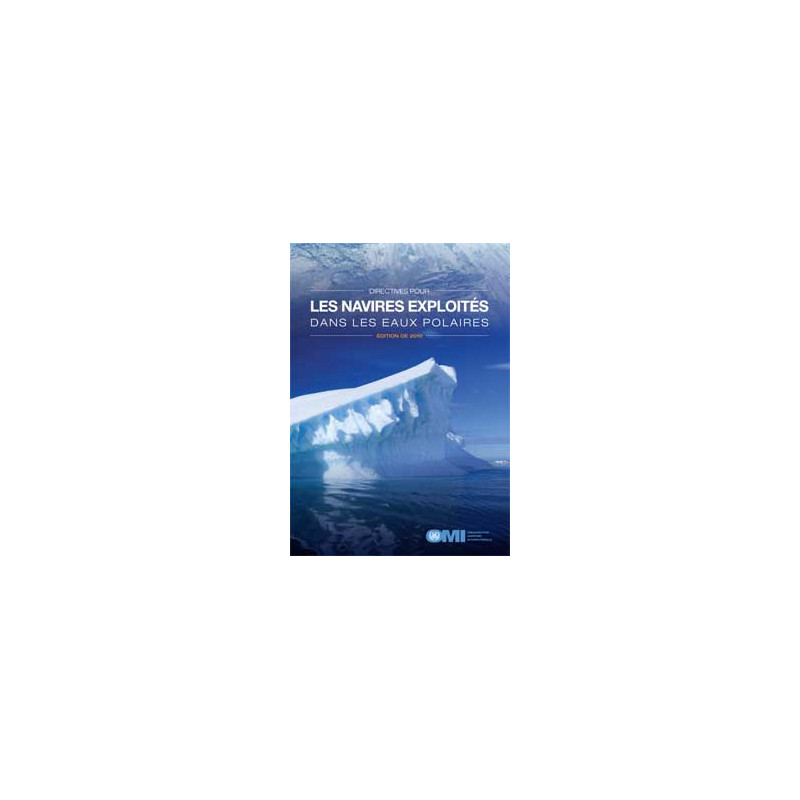
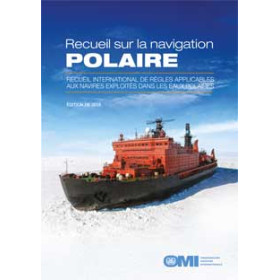
Operating in polar waters requires more than standard maritime expertise—it demands specialized knowledge to tackle extreme conditions like sub-zero temperatures, ice-covered seas, and limited navigational infrastructure. The IMO - 190F - Guidelines for Ships Operating in Polar Waters is a critical resource for maritime professionals, offering a comprehensive framework to enhance safety, compliance, and operational efficiency in the Arctic and Antarctic regions. This paperback edition, published in French, provides actionable directives to mitigate the unique risks faced by vessels in these challenging environments.
Engineered for Harsh Polar Conditions
Polar waters introduce a host of operational hazards, from ice-induced structural stress to equipment failures in freezing temperatures. This publication addresses these challenges head-on, offering detailed guidelines on ice classification (Categories A, B, and C), vessel design considerations, and emergency response protocols. It ensures that ships are prepared to withstand the physical demands of polar navigation, including the impact of ice on hull integrity and propulsion systems. By adhering to these guidelines, operators can minimize downtime, reduce the risk of accidents, and maintain compliance with international maritime conventions like SOLAS and MARPOL.
Designed for Maritime Professionals and Regulatory Compliance
This document is tailored for a broad audience, including maritime administrations, shipbuilders, shipping companies, and cruise operators. It serves as a vital tool for training institutes and regulatory bodies, outlining the necessary certifications, crew qualifications, and operational documentation required for polar voyages. The guidelines also align with the STCW Convention, ensuring that crews are adequately trained to handle the complexities of polar navigation. With a focus on both safety and environmental protection, this publication helps stakeholders navigate the evolving regulatory landscape, including upcoming amendments like the 2026 phase 2 implementation.
Future-Proofing Polar Operations
The maritime industry is rapidly adapting to new challenges in polar regions, from stricter fuel regulations to enhanced safety protocols. While this edition has been superseded by the Polar Code (IMO191E), it remains a foundational reference for understanding the core principles of polar shipping safety. It provides insights into critical updates, such as the 2024 ban on heavy fuel oil in the Arctic and the prohibition of high-density oils. By leveraging these guidelines, maritime professionals can ensure their operations are not only compliant but also resilient in the face of future regulatory changes.
This publication is a paperback edition in French, weighing 1.8 kg, and serves as a standard reference for ships operating in polar waters. It includes guidelines for ice-class categorization (Categories A, B, and C), mandatory documentation such as the Polar Ship Certificate and Polar Water Operational Manual, and compliance requirements under SOLAS and MARPOL. Published in December 2013 with a French edition released in August 2010, it reflects the regulatory framework in effect until its replacement by the Polar Code (IMO191E) in 2016. Key updates include the 2018 STCW training requirements and the 2024 ban on heavy fuel oil in the Arctic.
With a legacy of shaping global maritime standards, this organization is a leading authority in the development of safety, security, and environmental regulations for the shipping industry. Its publications provide essential guidance for maritime professionals, ensuring compliance with international conventions and fostering best practices in vessel operations. Renowned for its technical expertise, the organization plays a pivotal role in addressing emerging challenges, from polar navigation to environmental protection, making its resources indispensable for the maritime community.
The printed version weighs 1.8 kg.
No, this version is only available in French.
It covers Category A (medium first-year ice with old ice), Category B (thin first-year ice with old ice), and Category C (open water or less severe ice conditions).
A Polar Ship Certificate and a Polar Water Operational Manual are required.
The Phase 2 amendments came into effect on January 1, 2026.
The deadline for STCW training compliance was July 1, 2018.
Oils with a density greater than 900 kg/m³ at 15°C or a kinematic viscosity exceeding 180 mm²/s at 50°C are prohibited.
You might also like