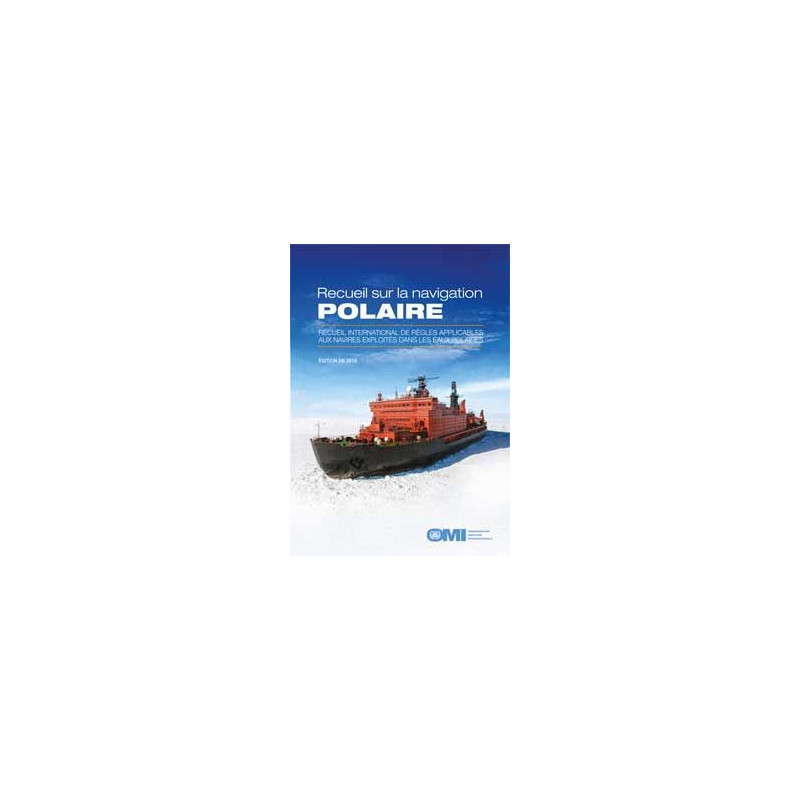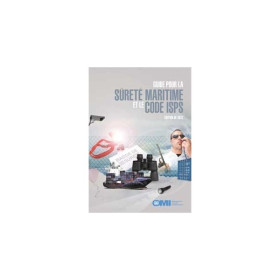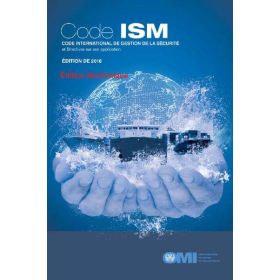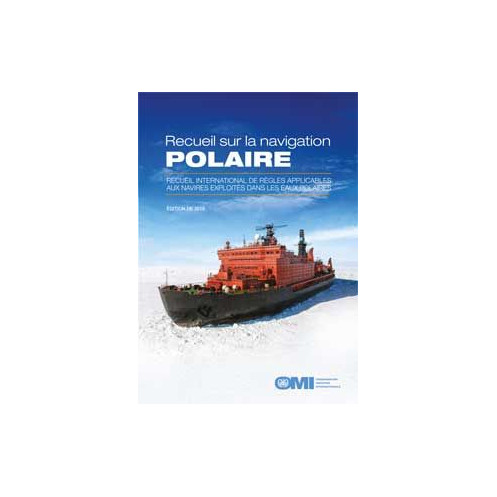





The 2016 French Polar Code digital edition ensures safe and compliant polar navigation. Covers design, training, and environmental protection for Arctic and Antarctic waters, effective since 2017.
Data sheet
Specific References
Navigate the world’s most challenging waters with confidence using the Polar Navigation Code 2016 Digital Handbook. This essential resource provides a complete framework for safe and environmentally responsible shipping in Arctic and Antarctic regions. Designed to address the unique risks of polar navigation—including extreme weather, limited chart coverage, and fragile ecosystems—this handbook sets the standard for operational safety and compliance in ice-covered waters.
Developed by the International Maritime Organization (IMO), this digital handbook implements the Polar Code, a legally binding instrument that entered into force in 2017. It applies to all vessels operating in polar waters, including new builds and existing ships, with phased implementation deadlines. The handbook consolidates amendments to key IMO conventions such as SOLAS (Safety of Life at Sea) and MARPOL (Prevention of Pollution from Ships), ensuring full alignment with international maritime law. Whether you operate a Category A icebreaker or a Category C vessel in lighter ice conditions, this resource provides the regulatory foundation for safe and sustainable polar voyages.
Engineered for shipowners, operators, crew members, and maritime authorities, the Polar Navigation Code 2016 Digital Handbook delivers practical guidance on vessel design, equipment requirements, operational procedures, and crew training. It addresses critical challenges such as ice navigation, emergency response, and environmental protection, offering clear, actionable protocols for high-risk environments. The digital format ensures instant access to the latest standards, supporting real-time decision-making in remote and hazardous conditions.
Beyond safety, the handbook emphasizes environmental stewardship, reflecting the IMO’s commitment to preserving polar ecosystems. It outlines strict pollution prevention measures, waste management protocols, and operational restrictions to minimize the impact of shipping on vulnerable polar environments. By integrating these requirements, maritime professionals can ensure compliance while contributing to the long-term sustainability of polar regions.
Available as a secure digital download, this handbook is optimized for use with the free IMO reader, ensuring reliable access even in offline conditions. The 84-page document is formatted for clarity and ease of navigation, with a structured layout that supports quick reference during operations. Its compact dimensions (250 mm x 210 mm) make it ideal for use on board or in training environments, providing a portable yet comprehensive solution for polar navigation compliance.
Master Polar Navigation with the IMO’s Official Digital Handbook
The Polar Navigation Code 2016 Digital Handbook is the definitive resource for maritime professionals operating in Arctic and Antarctic waters. Developed by the International Maritime Organization (IMO), this digital guide implements the Polar Code, a landmark regulation that enhances safety and environmental protection in some of the world’s most remote and hazardous maritime environments. With its entry into force in 2017, the Polar Code has become a mandatory requirement for all vessels navigating polar regions, ensuring compliance with international standards for vessel design, crew training, and operational protocols.
Engineered for Extreme Conditions
Polar waters present unique challenges, from uncharted shallows to rapidly changing ice conditions and extreme temperatures. This handbook addresses these risks by providing detailed requirements for vessel construction, equipment, and operational procedures tailored to ice-covered environments. It categorizes ships into three classes—A, B, and C—based on their ice-strengthening capabilities, allowing operators to align their vessels with the specific demands of their intended routes. Whether navigating through thick first-year ice or lighter ice conditions, this resource ensures that maritime professionals are equipped to handle the complexities of polar operations.
Comprehensive Coverage of Safety and Environmental Standards
The Polar Navigation Code 2016 Digital Handbook integrates amendments to key IMO conventions, including SOLAS and MARPOL, to create a unified framework for polar shipping. It outlines critical safety measures, such as emergency response protocols, search and rescue procedures, and crew training requirements, while also addressing environmental protection through strict pollution prevention and waste management guidelines. By consolidating these standards into a single, accessible document, the handbook simplifies compliance and supports sustainable shipping practices in fragile polar ecosystems.
Optimized for Professional Use
Designed for shipowners, operators, and maritime authorities, this digital handbook is a practical tool for both planning and real-time decision-making. Its 84-page format is structured for clarity, with a focus on usability in high-pressure environments. The secure digital version, compatible with the free IMO reader, ensures that the latest standards are always at your fingertips, even in offline conditions. With dimensions of 250 mm x 210 mm, it is perfectly suited for use on board or in training settings, providing a reliable reference for polar navigation compliance.
The Polar Navigation Code 2016 Digital Handbook is a 2016 edition published in June of that year, offering 84 pages of regulatory and operational guidance for polar shipping. Available in French, this digital document is compatible with the free IMO reader and includes mandatory requirements for vessel categories A, B, and C, based on ice-strengthening capabilities. It incorporates amendments to SOLAS (adopted in November 2014) and MARPOL (adopted in May 2015), with full compliance required for new vessels from 2017 and existing vessels from 2018. The handbook also outlines STCW training requirements, effective from July 1, 2018.
With a legacy of shaping global maritime standards, this organization is the leading authority in international shipping regulations. Its conventions and codes, developed through collaborative efforts with industry experts and member states, set the benchmark for safety, security, and environmental protection in the maritime sector. Recognized for its technical rigor and commitment to sustainable shipping, the organization’s guidelines are trusted by maritime professionals worldwide to navigate complex regulatory landscapes and operational challenges.
Category A ships are designed for operation in polar waters with at least medium first-year ice, which may include old ice inclusions. Category B ships operate in polar waters with at least thin first-year ice, also possibly including old ice. Category C ships are intended for operation in open water or less severe ice conditions than those covered by Categories A and B.
The digital publication is locked and can only be read using the free IMO e-reader software, which is compatible with most standard devices.
The requirements for existing ships became effective on July 1, 2018.
The printed version measures 250 mm in height and 210 mm in width.
It includes SOLAS amendments adopted during the 94th session of the Maritime Safety Committee (MSC) in November 2014 and MARPOL amendments adopted during the 68th session of the Marine Environment Protection Committee (MEPC) in May 2015.
The publication contains 84 pages.
You might also like